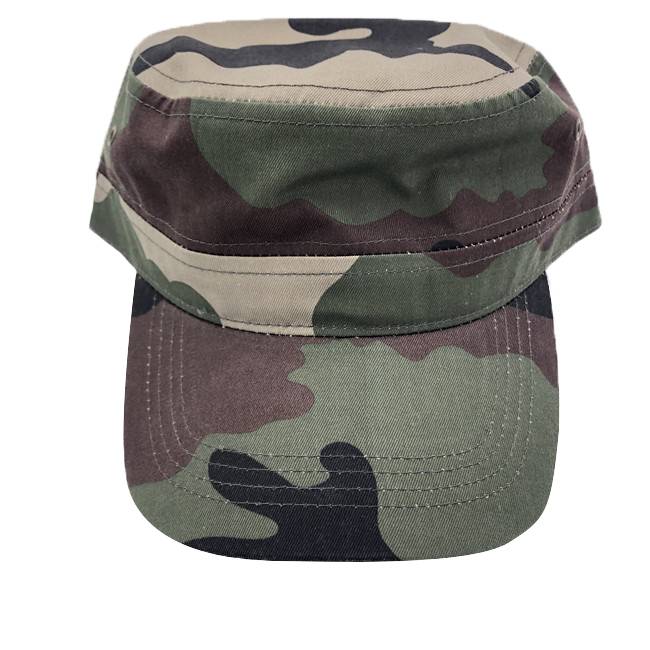
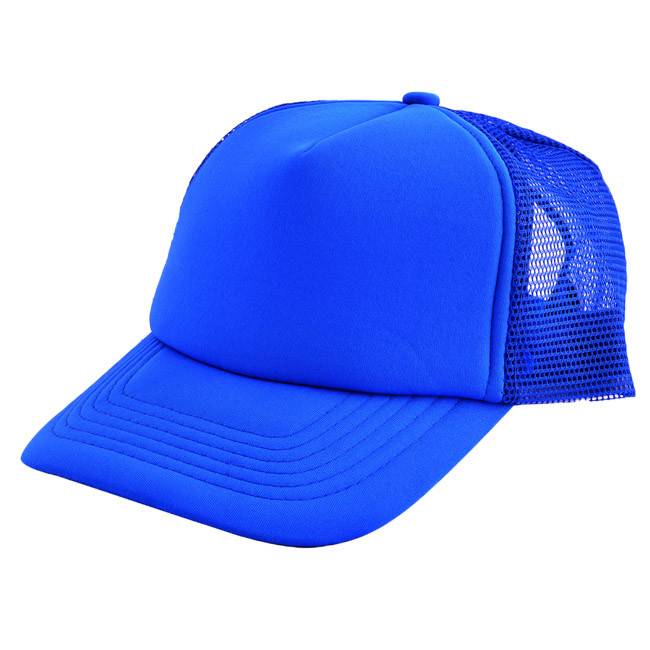
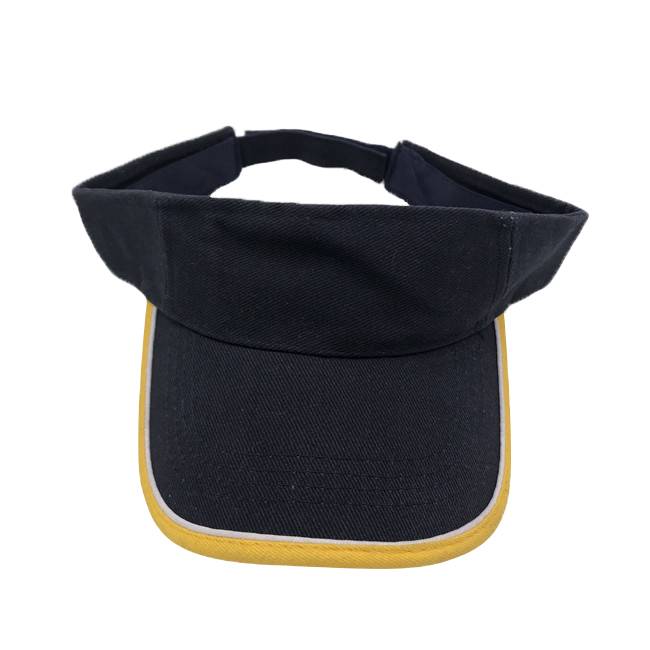
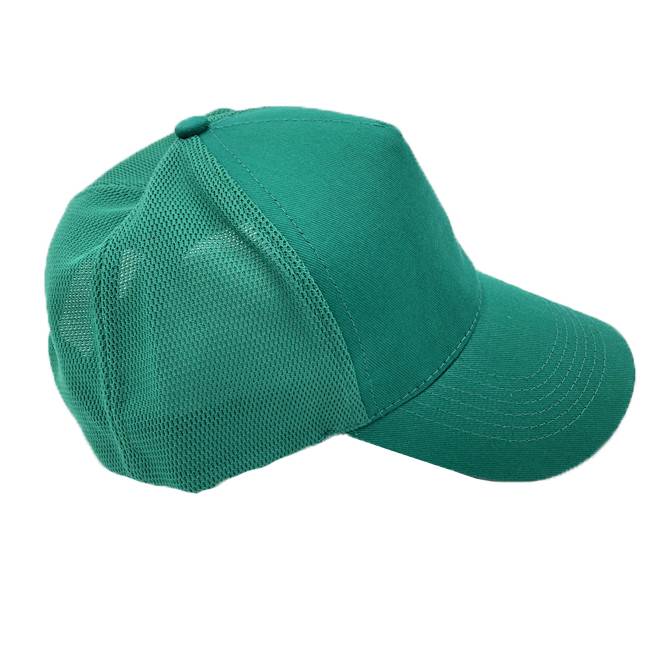
Camo Hat & Cap for Women & Men | Durable Outdoor Style
Understanding the Strategic Advantage of Advanced Camouflage Headwear
In diverse operational environments, the selection of appropriate tactical gear is paramount for personnel safety, effectiveness, and mission success. Among the critical components of such gear, the camo hat stands out as a versatile and essential accessory. This comprehensive guide delves into the intricate details of modern camouflage headwear, specifically focusing on products like the Flat Top Military Cap, exploring its manufacturing intricacies, technical specifications, diverse applications, and the underlying advantages it offers in both professional and recreational settings. As a cornerstone of personal concealment and protection, the evolution of the camo hat reflects advancements in textile engineering, ergonomic design, and strategic camouflage principles, catering to a broad spectrum of users from military and law enforcement professionals to outdoor enthusiasts seeking optimal performance and discretion.
The market for tactical headwear, including the versatile camo cap, has witnessed significant expansion driven by global defense needs, the burgeoning outdoor sports sector, and the increasing demand for durable, functional apparel. Trends indicate a shift towards lighter, more breathable materials, enhanced UV protection, and advanced multi-terrain camouflage patterns. Furthermore, the specialized segment of womens camo hat designs has emerged, emphasizing ergonomic fit and aesthetic considerations without compromising on the robust features expected of high-performance headwear. This evolution underscores a commitment to inclusivity and tailored solutions within the industry, ensuring that a diverse user base can access premium-grade camouflage options. Our analysis will provide a deep dive into how these products are engineered to meet stringent performance criteria and deliver consistent value in demanding scenarios.
The Advanced Manufacturing Process of Camouflage Headwear
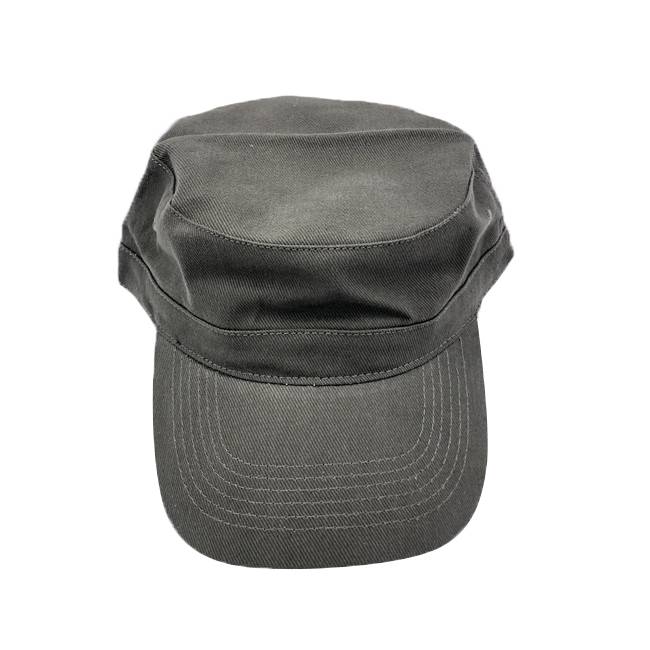
The production of a high-quality camo hat, such as the Flat Top Military Cap, is a meticulous process that combines advanced textile technology with precision manufacturing techniques. It's a multi-stage journey from raw material to finished product, ensuring each cap meets rigorous performance and durability standards. This section details the critical steps involved, highlighting the technical expertise and quality control measures that define superior camouflage headwear.
1. Material Selection: The Foundation of Durability and Performance
The choice of material is foundational to the functional attributes of any camo hat. Manufacturers typically opt for high-performance fabrics known for their tensile strength, abrasion resistance, and colorfastness. Common choices include:
- Ripstop Nylon/Polyester Blends: These fabrics are engineered with a special weaving technique that makes them highly resistant to tearing and ripping, crucial for rugged outdoor and tactical applications. They often incorporate moisture-wicking properties to manage perspiration effectively.
- Cotton Twill: Valued for its breathability and comfort, especially in warmer climates. High-grade cotton twill undergoes treatments to enhance durability and minimize shrinkage.
- Advanced Technical Fabrics: For specialized applications, materials like GORE-TEX or similar waterproof-breathable membranes are integrated to provide protection against elements without compromising comfort. Infrared Reflective (IRR) coatings are also applied to certain patterns to enhance concealment against night vision devices.
All fabrics undergo initial inspection for defects, color consistency, and adherence to specified thread counts and weight (e.g., GSM - Grams per Square Meter), aligning with industry standards like ASTM D3776 for fabric weight and ASTM D5034 for tensile strength. Dyeing processes ensure deep, lasting color and specific camouflage patterns like MultiCam, Woodland, AOR1/2, or Digital ACU are applied with high precision.
2. Precision Cutting: Ensuring Dimensional Accuracy
Once selected, the fabric is laid out in multiple layers. Computer-Aided Design (CAD) software is utilized to create precise patterns for each component of the camo hat – crown panels, brim, sweatband, and adjusters. These digital patterns are then fed into automated cutting machines, typically CNC (Computer Numerical Control) laser cutters or oscillating knife cutters. This method ensures unparalleled accuracy, minimizes material waste, and guarantees uniformity across large production batches. Dimensional tolerances are often kept within ±1mm to ensure consistent fit and assembly.
3. Expert Stitching and Assembly: Craftsmanship in Action
The cut fabric pieces are then moved to the sewing department. Industrial-grade sewing machines operated by skilled technicians are used to assemble the camo cap. Key stitching techniques include:
- Double-Needle Stitching: Used for primary seams to enhance strength and durability, particularly in stress points like where the brim meets the crown.
- Bartack Stitching: Critical for reinforcing areas subjected to high tension, such as the base of eyelets, adjuster straps, and brim attachment points. This prevents tearing under strenuous use.
- Overlock Stitching: Applied to raw edges of fabric panels to prevent fraying and ensure a clean, durable internal finish.
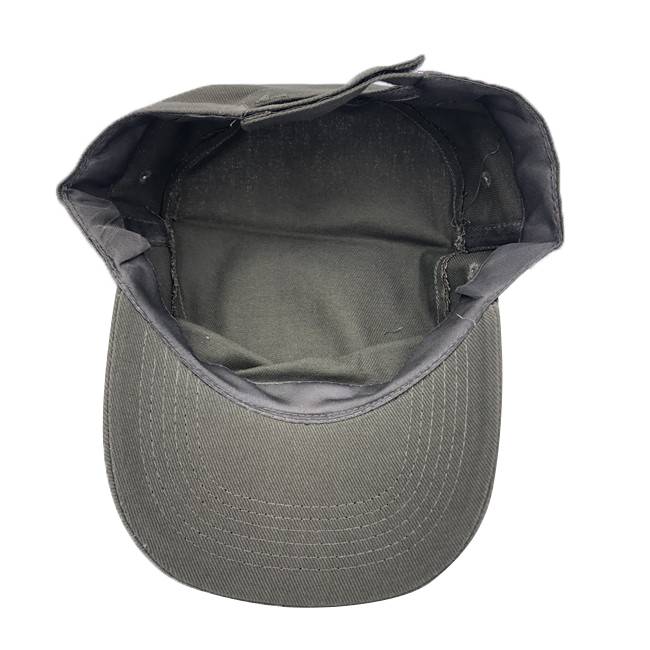
During assembly, components like the brim insert (typically a durable plastic or stiff cardboard), ventilation eyelets (often metal, brass, or embroidered), and adjustable closures (hook-and-loop, buckle, or strap) are meticulously integrated. Sweatbands, designed for moisture-wicking and comfort, are sewn into the interior circumference of the cap.
4. Finishing and Embellishment: The Final Touch
After primary assembly, the camo hat undergoes finishing touches. This may include steaming and pressing to ensure proper shape and wrinkle removal. Customization elements such as embroidery of logos, screen printing of insignias, or attachment of morale patches via hook-and-loop fields are added at this stage. High-quality embroidery machines ensure precise stitching and vibrant color rendition.
5. Rigorous Quality Control and Inspection: Ensuring Compliance
Every camo hat undergoes multiple layers of quality inspection throughout the manufacturing process, not just at the end. This stringent adherence to quality control is vital for meeting industry standards and customer expectations. Key inspection points include:
- Material Inspection: Pre-production checks for fabric flaws, color consistency, and adherence to specifications (e.g., ISO 105 B02 for colorfastness to light).
- In-Process Checks: During cutting and sewing, supervisors regularly verify dimensional accuracy, stitch quality, and component alignment.
- Final Product Audit: Each finished camo hat is visually inspected for defects, loose threads, proper shaping, and the functionality of adjusters. Random samples undergo more rigorous testing, including pull tests for seams and closures (e.g., meeting ANSI/ISEA standards for industrial headwear where applicable) and washing tests for shrinkage and color retention.
Manufacturers often adhere to international quality management systems like ISO 9001, ensuring consistent quality and continuous improvement. The average service life of a well-manufactured camo hat under normal conditions can exceed 3-5 years, depending on the material and usage intensity, thanks to these robust manufacturing and testing protocols.
Technical Specifications and Performance Metrics
A comprehensive understanding of the technical parameters of a camo hat is crucial for B2B procurement specialists and end-users. These specifications dictate performance, durability, and suitability for specific environments. Below is a detailed table outlining typical parameters for high-quality camouflage headwear, including specific considerations for a womens camo hat and a general camo cap.
Table 1: Key Technical Parameters for Camouflage Headwear
These parameters collectively define the performance profile of a camo hat, ensuring it stands up to the rigors of its intended use. For instance, in military contexts, adherence to MIL-SPEC standards for fabric, color, and construction is non-negotiable, emphasizing extreme durability and functional integration with other gear.
Versatile Application Scenarios for Camouflage Headwear
The utility of a camo hat extends far beyond its military origins, finding indispensable roles across a diverse array of industries and recreational pursuits. Its inherent design for concealment, coupled with advancements in material science, makes it a preferred choice for professionals and enthusiasts alike who demand both functionality and durability from their headwear. The Flat Top Military Cap, for example, embodies this versatility, seamlessly transitioning between demanding operational environments and everyday casual wear.
Military and Law Enforcement Operations: Tactical Superiority
In military and law enforcement contexts, the camo hat is more than just an accessory; it's a critical piece of tactical equipment. It provides crucial visual concealment, especially when operating in diverse landscapes such as woodlands, deserts, or urban environments. For special forces, reconnaissance units, and patrol officers, the ability to blend into surroundings is vital for operational security and effectiveness. Caps with IR reflectivity further enhance this capability by minimizing detectability under night vision. The rigid brim of a Flat Top Military Cap also offers practical benefits, shielding eyes from sun glare and light rain, which can be critical during prolonged outdoor missions.
Outdoor Recreation and Wilderness Pursuits: Enhanced Protection
For outdoor enthusiasts, hikers, campers, hunters, and anglers, a camo hat offers a blend of protection and utility. When traversing dense forests or open fields, camouflage patterns help individuals blend into the natural environment, which can be advantageous for wildlife observation or hunting. Beyond concealment, these caps provide essential sun protection, shielding the face and scalp from harmful UV rays, preventing sunburn and reducing the risk of heatstroke during extended exposure. The durable construction, often featuring ripstop fabrics, ensures the cap withstands snagging on branches and general wear and tear associated with rugged outdoor activities.
Construction and Industrial Workwear: Practical Durability
In industrial and construction sectors, while not primarily for concealment, the robust nature of a camo hat makes it an excellent choice for durable workwear. The hard-wearing fabrics, reinforced stitching, and sturdy brim provide practical protection against sun, dust, and minor impacts. Its comfortable fit and breathable materials ensure that workers remain comfortable even during long shifts in challenging conditions. The professional yet rugged aesthetic also aligns well with the image of resilience in these demanding fields. Employers often provide a camo cap as part of the standard uniform due to its longevity and practical benefits.
Fashion and Lifestyle: Blending Utility with Style
Beyond its functional applications, the camo hat has permeated mainstream fashion, becoming a popular accessory for casual and streetwear styles. Its distinctive patterns and rugged aesthetic appeal to individuals seeking to express a sense of adventure, resilience, or military-inspired fashion. The availability of various styles, including the streamlined Flat Top Military Cap and the more rounded camo cap, ensures there's an option for every preference. This crossover appeal highlights the product's adaptability and enduring design.
The versatility of the camo hat underscores its inherent value, proving it to be a multifaceted item that delivers on both form and function across a wide spectrum of user requirements. For a womens camo hat, these applications remain consistent, with an emphasis on tailored sizing and comfort features to ensure optimal fit and performance for female users.
Technical Advantages of a Premium Camouflage Hat
The superiority of a high-grade camo hat lies in its meticulously engineered technical advantages that go beyond mere aesthetics. These advantages are crucial for maximizing performance, comfort, and longevity in demanding environments, whether for military personnel, outdoor adventurers, or professional workers. Understanding these benefits is key to appreciating the value proposition of a well-crafted camo cap.
1. Superior Material Durability and Resilience
Premium camo hats are constructed from fabrics like military-grade ripstop nylon or robust polyester-cotton blends, specifically chosen for their high tensile strength and resistance to tearing, abrasion, and punctures. This inherent durability ensures the hat can withstand extreme conditions, frequent washing, and prolonged exposure to harsh elements without degradation. Unlike conventional headwear, these materials are designed to maintain their structural integrity and camouflage effectiveness over extended periods, providing a long service life and reducing replacement costs.
2. Advanced Camouflage Technology (IRR and Pattern Integrity)
For tactical applications, the effectiveness of a camo hat is directly linked to its camouflage pattern's ability to blend into the environment. High-quality caps often feature patterns that not only break up the wearer's silhouette visually but also incorporate Infrared Reflective (IRR) properties. This means the fabric is treated or woven to reflect light in the infrared spectrum in a way that matches the natural background, making the wearer less visible to night vision devices. Maintaining the integrity of these complex patterns through advanced dyeing and printing processes is a significant technical advantage, ensuring consistent concealment across varying light conditions and terrains.
3. Ergonomic Design for Enhanced Comfort and Fit
The design of a functional camo hat prioritizes ergonomic comfort for prolonged wear. Features such as strategically placed ventilation eyelets (often reinforced for durability) promote airflow, reducing heat buildup and preventing discomfort during strenuous activity. Moisture-wicking sweatbands, made from materials like Coolmax or similar performance fabrics, effectively draw perspiration away from the skin, keeping the wearer dry and comfortable. Adjustable closures, whether hook-and-loop, buckles, or elastic, are designed for quick and secure adjustments, ensuring a snug yet comfortable fit for various head sizes, including those specifically designed for a womens camo hat.
4. Optimized Sun Protection and Weather Resistance
The brim of a high-quality camo hat is engineered for optimal sun protection, often boasting a UPF (Ultraviolet Protection Factor) rating of 30+ or 50+. This shields the face and eyes from harmful UV radiation, a crucial benefit for outdoor professionals and enthusiasts. Furthermore, materials often undergo treatments for water repellency (DWR - Durable Water Repellent), allowing the cap to shed light rain and moisture, keeping the wearer dry without compromising breathability. This dual advantage of sun and moisture protection significantly enhances the wearer's operational effectiveness and comfort in variable weather conditions.
5. Reinforced Stitching and Construction Integrity
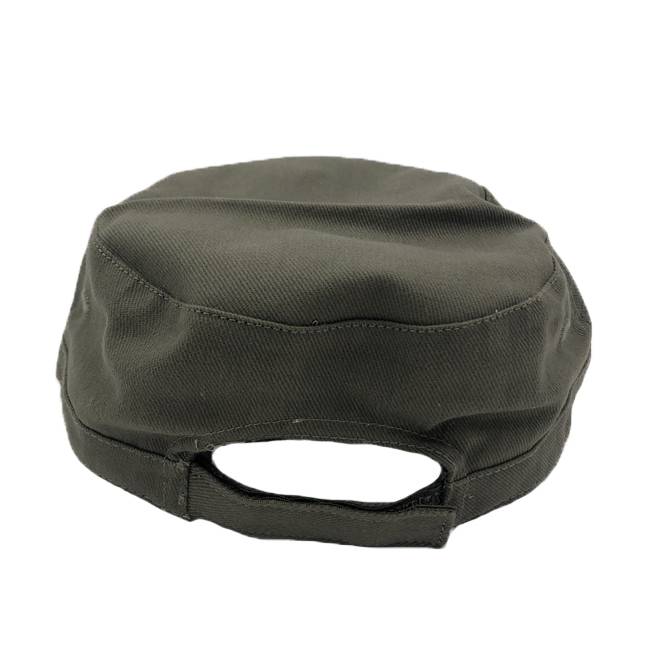
The structural integrity of a camo hat is heavily reliant on its stitching and construction techniques. Features like bartack stitching at stress points (e.g., adjuster straps, brim attachment) prevent premature tearing, while robust double-needle stitching reinforces primary seams. These techniques are direct indicators of a cap's overall durability and its ability to withstand repetitive stress and long-term use in demanding environments. Adherence to strict military specifications (MIL-SPEC) for stitching and material joining ensures that each camo hat performs reliably under the toughest conditions.
These technical advantages collectively ensure that a high-quality camo hat is not just a piece of clothing, but a strategic asset, delivering consistent performance and reliability when it matters most.
Choosing a Reliable Manufacturer: A B2B Perspective
For businesses looking to procure camo hat products, selecting the right manufacturing partner is paramount. It's not merely about price; it's about reliability, quality, customization capabilities, and long-term partnership potential. This section outlines key criteria for evaluating manufacturers of camo cap and womens camo hat lines, ensuring your investment yields high-quality, market-ready products.
Table 2: Manufacturer Comparison Criteria for Camouflage Headwear
Customization Solutions for Unique Requirements
A key differentiator for a premium camo hat manufacturer is their ability to offer comprehensive customization. This flexibility is crucial for businesses, government agencies, and organizations that require headwear tailored to specific operational needs, branding guidelines, or stylistic preferences. Leading manufacturers provide a range of customization options:
- Material & Fabric Blends: Custom fabric composition (e.g., specific cotton/poly ratios, addition of spandex for stretch, specialized coatings for water resistance or flame retardancy).
- Camouflage Patterns & Colors: Beyond standard patterns, manufacturers can replicate specific national military patterns, proprietary designs, or custom color palettes.
- Branding & Embellishment: High-quality embroidery (flat, 3D puff), screen printing, heat transfers, and the application of woven or PVC patches. This is essential for integrating company logos, unit insignias, or promotional branding on a camo cap.
- Structural Modifications: Variations in crown height (low, mid, high profile), brim stiffness (flat, pre-curved), and panel configurations (e.g., 5-panel vs. 6-panel).
- Closure Types: Options include hook-and-loop (Velcro), metal buckles, plastic snapbacks, or fitted stretch bands, catering to different functional and aesthetic requirements.
- Sizing: Offering a full range of sizes, including specific sizing for a womens camo hat, ensuring optimal fit and comfort for all users.
- Accessory Integration: Adding features like interior pockets, mesh ventilation panels, or specialized attachment points for lights or communication devices.
The capacity to deliver these bespoke solutions efficiently, from design conceptualization to mass production, is a hallmark of a truly authoritative and experienced manufacturer in the tactical headwear domain.
Client Success Stories and Application Cases
The real-world impact of a high-quality camo hat is best demonstrated through concrete application cases. These examples highlight how tailored solutions meet specific industry demands, showcasing the manufacturer's experience and the product's reliability and effectiveness. Our partnerships with diverse clients underscore our commitment to delivering superior headwear solutions.
Case Study 1: Tactical Operator Uniform Integration
A specialized law enforcement unit approached us requiring a durable and highly functional camo hat to complement their new uniform system. Their primary requirements included a specific digital camouflage pattern (unique to their jurisdiction), exceptional durability against abrasion, and integrated IR reflectivity to maintain concealment during night operations. We developed a Flat Top Military Cap prototype using a reinforced polyester-cotton ripstop blend, precisely matching their required digital pattern through advanced printing techniques. The cap featured laser-cut ventilation holes, a low-profile hook-and-loop adjuster, and reinforced stitching at all stress points. Post-deployment feedback confirmed that the caps exceeded their expectations in terms of resilience, comfort during extended wear, and effectiveness in various operational environments, significantly enhancing their tactical readiness and visual signature management.
Case Study 2: Outdoor Retailer's Premium Hunting Line
An established outdoor gear retailer sought to launch a new premium line of hunting apparel, including a flagship camo cap. Their emphasis was on natural-looking patterns, superior comfort, and robust construction suitable for challenging wilderness conditions. We collaborated closely to develop a cap using a brushed cotton twill with a proprietary forest-blending pattern. Key features included an anti-glare brim underside to prevent reflection, integrated moisture-wicking sweatband, and quiet adjustment strap to avoid startling wildlife. The success of this camo hat in field tests led to its widespread adoption by their customer base, praised for its comfort, realistic concealment, and ability to withstand harsh weather, directly contributing to increased sales and positive brand perception for the retailer.
Case Study 3: Corporate Team Building and Event Merchandising
A large tech corporation organized an outdoor team-building event and required branded headwear that conveyed a sense of adventure and unity. They opted for a durable camo hat, specifically requesting a classic Woodland pattern for a rugged aesthetic, but with their corporate logo subtly embroidered on the front. We provided a versatile camo cap design, ensuring the embroidery was high-quality and long-lasting. The caps were a significant hit, not only providing practical sun protection during outdoor activities but also serving as a memorable keepsake. This project demonstrated the adaptability of camouflage headwear beyond tactical applications, proving its value in branding and team cohesion initiatives. We also provided specific dimensions for a womens camo hat version to ensure comfortable fit for all participants.
These cases exemplify how a tailored approach to manufacturing, coupled with deep product expertise, allows us to deliver camo hat solutions that precisely meet the unique demands and objectives of our diverse clientele.
Trust and Assurance: FAQs, Delivery, and Warranty
Building trust with our B2B partners is paramount. We understand that transparency regarding product quality, order processing, and post-purchase support is crucial for long-term collaborations. This section addresses common queries, outlines our commitment to timely delivery, and details our comprehensive warranty and customer support.
Frequently Asked Questions (FAQs)
- What is the minimum order quantity (MOQ) for custom camo hat designs?
Our standard MOQ for custom camo hat designs typically starts from 500 pieces, depending on the complexity of the design and material requirements. For specific requests or smaller trial orders, please contact our sales team for a tailored quotation. We aim to be flexible for potential long-term partners. - Can I request samples before placing a bulk order for a camo cap?
Absolutely. We strongly encourage sample requests to ensure our products meet your exact specifications and quality expectations. Sample fees may apply but are often credited against a subsequent bulk order. Sample lead times typically range from 7-14 business days, depending on customization. - What materials are used in your camo hat manufacturing, and are they ethically sourced?
We primarily use high-grade cotton twill, polyester-cotton ripstop, and durable nylon blends, chosen for their performance attributes. All our materials are sourced from reputable suppliers who adhere to international labor and environmental standards. We maintain a transparent supply chain to ensure ethical and sustainable practices. - How do you ensure the colorfastness and durability of the camouflage patterns?
Our fabrics undergo rigorous testing for colorfastness to light, washing, and rubbing, adhering to ISO 105 standards. We utilize advanced dyeing and printing technologies to ensure deep, consistent, and long-lasting camouflage patterns that resist fading even after extensive use and cleaning. Our construction involves reinforced stitching, tested for durability against tensile stress. - Do you offer specific designs for a womens camo hat?
Yes, we offer specific designs and sizing considerations for womens camo hat lines, focusing on ergonomic fit, diverse styling options, and continued high performance. Our design team can also work with you to develop bespoke women's specific headwear solutions.
Delivery Cycle and Logistics
Our production and logistics processes are streamlined for efficiency and reliability. For standard camo hat orders, typical lead times range from 25-40 business days after sample approval and deposit, depending on order volume. Custom orders may require an additional 5-10 business days for design and prototyping. We work with established international freight forwarders to ensure secure and timely global delivery, offering various shipping options (air freight, sea freight) to meet your budget and urgency requirements. Clients receive regular updates on their order status, from manufacturing milestones to shipping manifests and tracking information.
Quality Assurance and Warranty Commitment
Quality is at the core of our operations. Every camo hat undergoes a multi-stage quality control process, from raw material inspection to final product audit, adhering to ISO 9001:2015 standards. We offer a standard 12-month warranty against manufacturing defects from the date of delivery. This covers issues related to material flaws, stitching integrity, and structural defects under normal use conditions. Our commitment extends to providing prompt and effective solutions for any validated warranty claims, ensuring your complete satisfaction and confidence in our products. Our dedicated after-sales support team is readily available to address any concerns or provide technical assistance, fostering long-term, trustworthy partnerships.
Conclusion: The Enduring Value of Specialized Camouflage Headwear
The modern camo hat, exemplified by robust designs like the Flat Top Military Cap, represents a pinnacle of functional headwear engineering. Its development is rooted in a deep understanding of tactical needs, environmental challenges, and the demands of prolonged wear. From the meticulous selection of high-performance materials and precision manufacturing processes to the integration of advanced camouflage technologies and ergonomic design principles, every aspect contributes to its superior utility.
The versatility of the camo cap extends across diverse sectors—from critical military and law enforcement operations where concealment and durability are non-negotiable, to outdoor pursuits where sun protection and resilience are paramount, and even into the fashion industry where its rugged aesthetic holds strong appeal. For businesses seeking reliable and high-performance headwear, understanding the technical advantages, customization options, and the manufacturer's commitment to quality and service is essential. Investing in a premium camo hat or womens camo hat is an investment in unparalleled durability, functional excellence, and strategic advantage, ensuring that personnel and consumers alike are equipped with headwear that performs reliably in any scenario. As a trusted partner, we are committed to delivering camouflage headwear that not only meets but exceeds the stringent expectations of our global clientele.
References
- Military Textile Research Institute. (2022). Advances in Infrared Reflective (IRR) Fabric Technology for Tactical Garments. Journal of Advanced Defense Materials, 15(3), 112-128.
- Outdoor Apparel Standards Organization. (2021). Best Practices for UV Protection Factor (UPF) Testing and Labeling in Performance Headwear. Technical Bulletin, 8(2), 45-56.
- International Standardization Organization. (2015). ISO 9001:2015 Quality Management Systems – Requirements. ISO Central Secretariat.
- Textile Engineering & Materials Science Journal. (2023). Comparative Analysis of Ripstop Weave Structures on Tensile Strength and Tear Resistance. 28(1), 78-92.
- American Association of Textile Chemists and Colorists. (2020). AATCC Test Method 16.3: Colorfastness to Light: Xenon-Arc Lamp Exposure. AATCC Publications.
-
Premium Custom Baseball Caps with Logos for Brand VisibilityNewsApr.16,2026
-
Elevate Your Brand with High Quality Custom Hats with My LogoNewsApr.09,2026
-
Elevate Your Brand with Stylish Custom Company Logo HatsNewsApr.07,2026
-
Elevate Your Brand with Stylish Custom Logo Hats and Promotional HeadwearNewsApr.04,2026
-
Discover the Versatility and Style of the Brown Baseball CapNewsMar.31,2026
-
Elevate Your Style with the Timeless Khaki Baseball HatNewsMar.28,2026
-
Discover the Versatility and Style of the Khaki Baseball CapNewsMar.26,2026