Discover the Versatile 5 Panel Mesh Cap – Comfort, Style & Protection
What’s the Big Deal About the 5 Panel Mesh Cap?
At first glance, a 5 panel mesh cap might just sound like another hat in a long line of headwear options. But surprisingly, it’s become a kind of staple for outdoors enthusiasts, sports fans, streetwear aficionados, and anyone who wants a breathable and stylish hat that keeps the sun off without overheating. More globally, the design’s practicality also intersects with urban fashion trends and even safety concerns for workers exposed to intense sun and heat. Understanding the 5 panel mesh cap means appreciating a smart blend of materials, design, and cultural relevance.
Mini takeaway: The 5 panel mesh cap isn’t just fashion fluff — it’s a versatile product that blends comfort, function, and style, relevant in many global contexts.
The Global Context: Why the 5 Panel Mesh Cap Matters Now
Caps and hats are an age-old necessity, but the demand for breathable, lightweight, and multi-use headgear has skyrocketed. According to a 2021 report by the World Bank on outdoor apparel trends, sun protection combined with comfort has become a top priority globally, partly because of rising awareness of UV exposure and heat-related illnesses.
Urbanization and outdoor sports are growing (think hiking in Nepal or skateboarding in Los Angeles), and so is demand for headwear that performs under intense conditions. Oddly enough, the 5 panel mesh cap has stepped into this niche, offering better ventilation and customization options than your average 6-panel baseball cap.
Plus, there's a challenge—how to create headwear that balances sun protection and airflow without compromising on style or affordability. The 5 panel design is one very clever solution.
Mini takeaway: Rising heat exposure and the global love for outdoor activities have made the 5 panel mesh cap a practical answer—a perfect marriage of function and fashion.
Defining the 5 Panel Mesh Cap
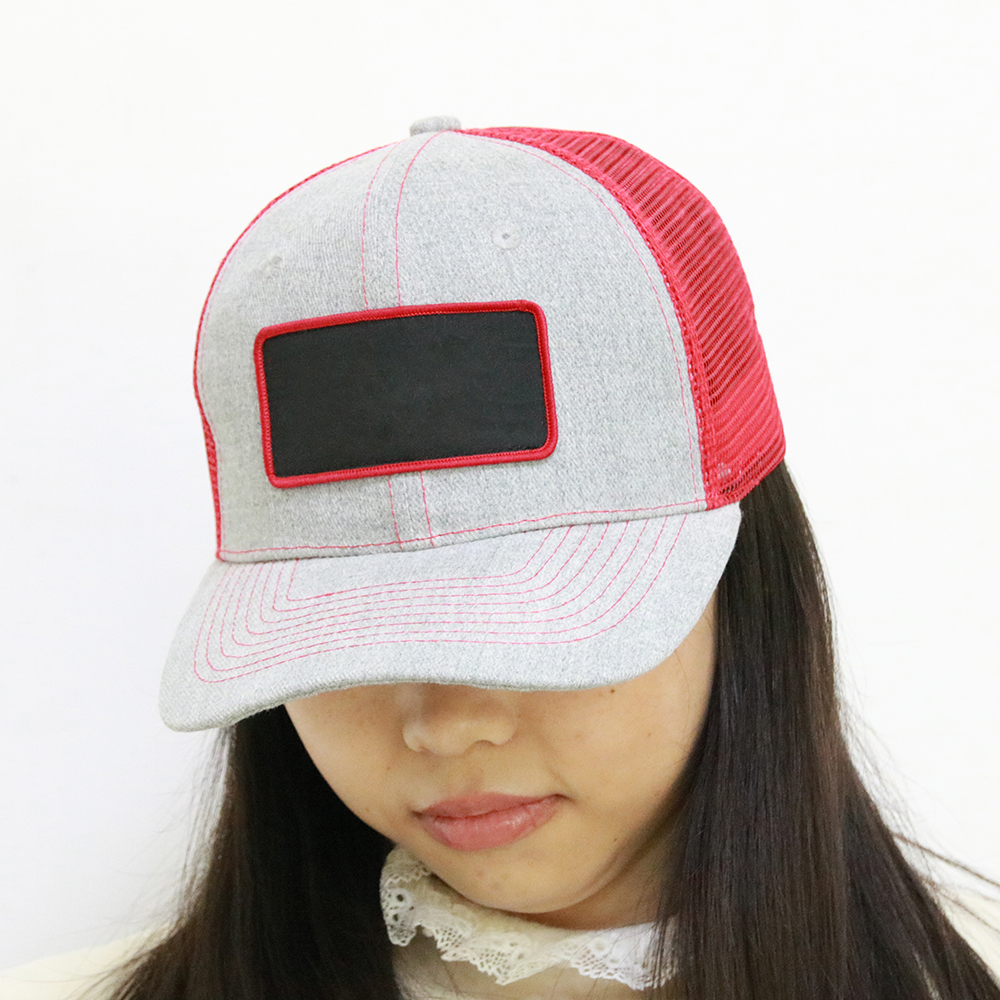
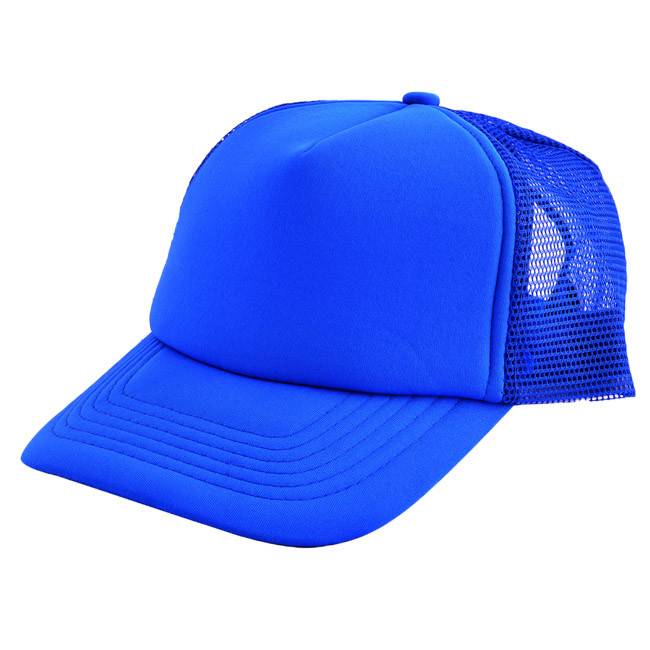
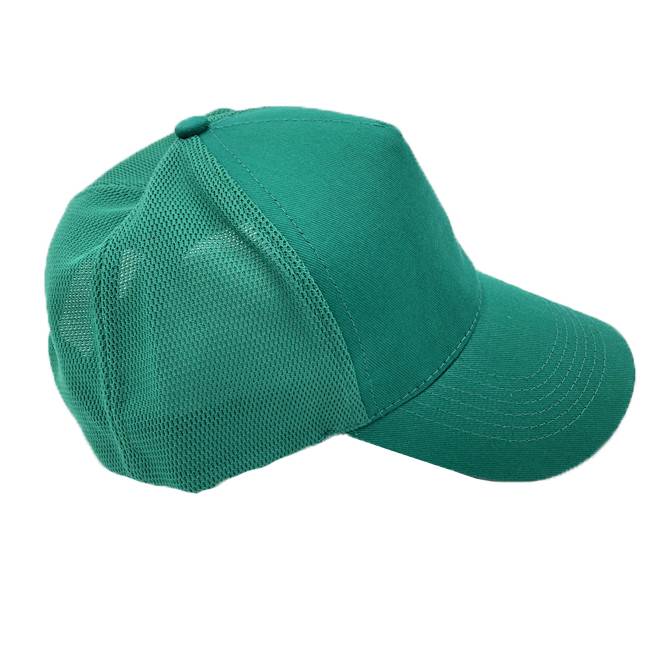
So what exactly is a 5 panel mesh cap? Simply put, it’s a hat constructed from five individual fabric panels sewn together. Typically, the front is a solid, slightly curved panel often used for logos or patches, while the sides and back have mesh sections that allow air to flow freely.
This functional design reduces sweat accumulation and keeps your head cool, which is why it’s popular among hikers, runners, and even workers in scorching climates.
The mesh portions give it a refreshing breathability, and the relatively low profile makes it super comfortable and adjustable. It's quite a different beast from the more traditional 6-panel baseball cap.
Mini takeaway: A 5 panel mesh cap is defined by its unique construction: a solid front with breathable mesh sides and back, providing a lightweight, customizable, and cool headwear option.
Key Factors that Make the 5 Panel Mesh Cap Stand Out
1. Durability & Material Quality
Most 5 panel caps use polyester or a polyester-cotton blend for strength and moisture-wicking. The mesh is usually nylon or polyester — tough enough to handle sun exposure without fading or tearing. Many manufacturers apply UV-resistant coatings to extend lifespan.
2. Breathability
The mesh back is the unsung hero here, allowing air circulation, reducing sweat buildup, and avoiding that dreaded “hat hair” effect after a day outdoors.
3. Adjustable Fit
With snapback, strapback, or Velcro closures, these caps fit a wider range of head sizes comfortably, making them popular giveaways or merch items precisely because they “just fit.”
4. Customization
The front panel’s shape and size create a perfect canvas for embroidery or patches, making it a favorite among brands, teams, and artists for personalization.
5. Lightweight Design
Compared to bulkier hats, these caps sit lightly on the head, which frankly makes wearing them for extended periods a lot more pleasant.
Mini takeaway: Durability, breathability, fit, and customization are core pillars that give the 5 panel mesh cap its widespread appeal — a hat designed for real-world conditions, with style bonuses.
Where the 5 Panel Mesh Cap Really Shines
- Outdoor Sports: Trail runners, cyclists, and hikers love the breathable panels that keep sweat in check.
- Urban and Streetwear: Used by skateboarders, musicians, and creatives who want a sleek yet casual look.
- Workwear: Construction and landscaping workers use these caps for sun protection with airflow, especially in countries with harsh climates.
- Promotional Merchandise: Because of easy customization and fit, many companies use them as giveaways at events worldwide.
For example, during wildfire relief efforts in California, volunteers often opt for 5 panel mesh caps for comfort and shade. Similarly, in Southeast Asia’s tropical heat, lightweight mesh caps have become a staple for farmers and outdoor vendors.
Mini takeaway: This cap has truly crossed boundaries—from playgrounds in Chicago to rice paddies in Thailand—always valued for its versatility and practical design.
Advantages Beyond the Fashion Statement
Cost-wise, 5 panel mesh caps are usually affordable for what they offer — a robust yet lightweight hat that lasts. In terms of sustainability, many brands are switching to recycled polyester for mesh and panels, reducing plastic waste.
On a social level, wearing comfortable and practical headwear can improve worker safety by lowering heatstroke risks. And emotionally, sporting a well-made cap feels like a small confidence booster — even if you’re just walking the dog.
Quick Look at 5 Panel Mesh Cap Specifications
| Specification | Typical Value |
|---|---|
| Panel Material | Polyester / Cotton Blend |
| Mesh Type | Polyester Nylon Mesh (100-150 GSM) |
| Adjustability | Snapback / Velcro / Strapback |
| Weight | ~ 70-90 grams |
| UV Protection | UPF 30-50 (varies by manufacturer) |
| Customization Options | Embroidery, Patches, Screen Printing |
Choosing the Right Vendor: How They Stack Up
| Vendor | Customization | Bulk Pricing | Lead Time | Sustainability |
|---|---|---|---|---|
| CapMasters Inc. | High-quality embroidery & patches | Excellent (from 100+ units) | 2-3 weeks | Recycled materials used |
| UrbanThreads Co. | Screen printing only | Good (200+ units) | 3-4 weeks | Limited eco-friendly options |
| Global Hat Works | Embroidery + Custom 3D patches | Competitive (50+ units) | 1-2 weeks | Uses organic cotton blends |
Looking Ahead: Trends and Innovations in the 5 Panel Mesh Cap Market
Sustainability is big — biodegradable mesh fabrics, water-based inks for printing, and recycled packaging are becoming industry norms rather than nice extras. Digital print technologies now allow detailed, multicolor designs without sacrificing fabric breathability, which many customers crave.
There’s also a slow pivot to “smart caps” — embedding UV sensors or moisture indicators that sync with smartphone apps. It may sound sci-fi, but you’ll probably see these trends ripple into mainstream gear soon.
Challenges and How Brands Are Tackling Them
The biggest issue? Mesh durability versus breathability. Too dense mesh hinders airflow; too loose mesh can snag easily. Suppliers are experimenting with hybrid weaves and coatings to find the sweet spot.
Another limitation is sizing — though adjustable, many still prefer tailor-made fits. Companies are introducing stretch panels or semi-custom cap forms to solve this.
Frequently Asked Questions About 5 Panel Mesh Caps
Q: Are 5 panel mesh caps suitable for intense sun protection?
A: Yes, especially those with UPF-rated front panels. The mesh sections prioritize airflow, so it’s perfect if you want a balance, but it’s wise to use sunscreen on exposed skin. These caps typically block direct sun on your forehead and scalp effectively.
Q: How long does a 5 panel mesh cap usually last?
A: With proper care, about 1-3 years of regular use. Longevity depends on fabric quality and exposure to elements like sun and sweat. UV coatings and quality mesh extend lifespan considerably.
Q: Can I order custom logos or designs on the 5 panel mesh cap?
A: Absolutely. Most vendors offer embroidery, screen printing, and patch options. The front panel’s shape is excellent for detailed branding. Minimum order quantities may apply.
Q: Are these caps environmentally friendly?
A: Increasingly so. Many manufacturers incorporate recycled polyester, organic cotton, and eco-friendly dyes. Always check vendor certifications if sustainability is a priority.
Q: Can these be shipped internationally for promotional events?
A: Yes, most vendors serve global clients and handle export logistics. Delivery times vary by quantity and destination, so it’s best to plan ahead.
The Bottom Line
The 5 panel mesh cap embodies something refreshingly simple yet complex in design. Affordable, stylish, and functional, it satisfies the needs of diverse users worldwide—from urban creatives to outdoors workers. Its future looks bright with sustainable materials and smart tech integration on the horizon.
If you’re intrigued or thinking of stocking these clever caps for your team or brand, check out our full range of 5 panel mesh caps—durable, customizable, and ready for whatever the world throws at you.
References:
-
Premium Custom Baseball Caps with Logos for Brand VisibilityNewsApr.16,2026
-
Elevate Your Brand with High Quality Custom Hats with My LogoNewsApr.09,2026
-
Elevate Your Brand with Stylish Custom Company Logo HatsNewsApr.07,2026
-
Elevate Your Brand with Stylish Custom Logo Hats and Promotional HeadwearNewsApr.04,2026
-
Discover the Versatility and Style of the Brown Baseball CapNewsMar.31,2026
-
Elevate Your Style with the Timeless Khaki Baseball HatNewsMar.28,2026
-
Discover the Versatility and Style of the Khaki Baseball CapNewsMar.26,2026