Durable and Stylish Baseball Caps with Leather Patch | Sustainable Headwear
What’s the Fuss About Baseball Caps with Leather Patches?
On a global scale, the humble baseball cap has undergone quite the transformation, not just as a functional accessory but a style statement that carries cultural significance. Now, throw a leather patch into the mix, and you have a product that's both rugged and refined — a cheeky nod to craftsmanship, durability, and modern fashion tastes. Understanding this combination offers insights into sustainable material use, branding opportunities, and consumer trends worldwide.
Why does this matter? Well, manufacturers and brands that embrace the integration of natural materials like leather in everyday products can tap into the ongoing demand for eco-conscious yet trendy accessories. It’s a niche that intersects sustainability, heritage, and mass appeal — and I find that pretty fascinating.
Setting the Stage: The Baseball Cap with Leather Patch in Global Context
Baseball caps are nothing new — their roots trace back to 19th-century sports culture in America. Yet, the addition of a leather patch has — oddly enough — given the cap new life on a global stage. According to market research firm Statista, global sports and casual headwear sales grew by a steady 4.1% annually over the past five years, with premium materials driving much of the gain.
Leather patches add a tactile and visual contrast that elevates the baseball cap beyond fleeting trends. This is especially relevant as sustainability standards tighten worldwide — with ISO 14001 guidelines influencing material sourcing and manufacturing setups. It’s a small detail that addresses bigger concerns like longevity and authenticity, which many consumers now prioritize.
One real challenge? Balancing cost with quality and ensuring the leather components meet ethical sourcing and durability standards without hiking prices too much.
Defining a Baseball Cap with Leather Patch
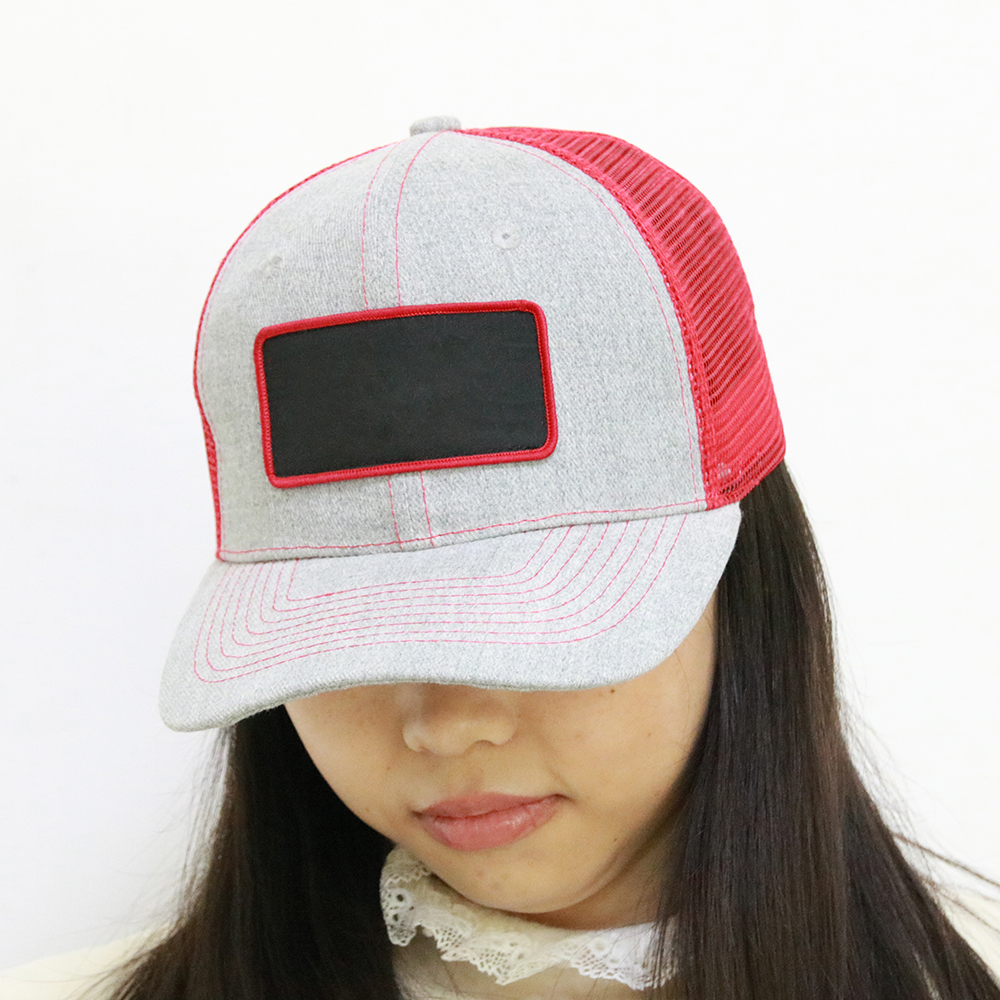
At its core, a baseball cap with leather patch is exactly what it sounds like: a classic six-panel or five-panel cap made typically from cotton, polyester, or blends, featuring an externally stitched or heat-pressed leather label or emblem. The patch might carry a brand logo, artwork, or text — sometimes crafted from vegetable-tanned leather for longevity and natural aging.
Think of it as a marriage of utility and style, where the functional baseball cap offers sun protection and comfort, while the leather patch signals quality and an artisanal touch. In industries like outdoor gear, fashion retail, or promotional merchandise, this product straddles casual utility and high-end appeal.
Key Factors Behind Its Popularity and Utility
1. Durability
Leather patches, particularly those properly treated, resist wear in ways fabric labels don’t. Many users notice that a leather patch ages gracefully, developing a distinctive patina instead of simply fading or fraying. This longevity is crucial for products expected to last years — especially in outdoor or work environments.
2. Aesthetic Value
The tactile feel and natural hues of leather bring warmth and contrast that synthetic labels lack. This often translates into a higher perceived value. Whether for a fashion brand or a corporate giveaway, the leather patch says “premium” without needing an elaborate process.
3. Sustainability
It might surprise some that leather, when sourced responsibly, is a sustainable choice. Vegetable-tanned leather uses natural tannins and avoids heavy chemicals, making it less harmful compared to synthetic patches derived from plastic or glue-based materials.
4. Customization Potential
Customized leather patches, whether embossed, debossed, or laser-engraved, offer rich branding opportunities. Many businesses leverage this to convey heritage or craftsmanship that text-based logos often feel lacking in.
5. Comfort & Fit Considerations
Although leather is primarily a patch, manufacturers ensure it doesn’t add bulk or cause discomfort. Proper placement on the front panel or side panels maintains the cap’s traditional fit and breathability.
Real-World Applications and Where They Shine
These caps have quickly become favorites across various regions and sectors:
- Outdoor enthusiasts in North America and Europe: Durable and stylish for hiking, fishing, and casual wear.
- Urban streetwear communities in Asia: Where artisanal branding and vintage aesthetics are trending.
- Corporate gifting and promotional markets worldwide: Leather patches convey uniqueness and quality of the brand.
- Nonprofits and NGOs: Using caps as fundraising merchandise helps promote authenticity and mission-driven values.
Take, for example, a small outdoor gear company in Colorado that switched to leather-patched caps for their summer collection. Customer feedback highlighted the “cool but rugged” look, which boosted sales by roughly 15% over previous runs without leather.
Why Should You Care? Advantages & Long-Term Value
In real terms, a baseball cap with leather patch offers more than mere style points:
- Cost-effectiveness: Although marginally more expensive upfront, the cap’s lifespan improves, lowering replacement frequency.
- Environmental impact: Choosing responsibly tanned leather aligns with sustainable business practices.
- Social impact: Many leather-sourced patches support artisan tanneries in developing economies, fostering community livelihoods.
- Emotional connection: Wearing something that ages naturally, tells a story, and feels unique builds longer-lasting brand loyalty.
It’s funny how a small piece of leather can carry so much weight — not just physically, but culturally and psychologically.
Future Trends and Innovations in Leather-Patch Caps
Innovation doesn’t stop at design. The next few years will likely see:
- Bio-based tanning methods: Enhancing sustainability by reducing environmental toxins.
- Smart patches: Embedded NFC chips or QR codes to link customers to product origin stories or warranty info.
- Digital customization: More brands offering on-demand embossed patches tailored instantly.
- Recycling initiatives: Taking worn caps and leather parts back into the supply chain for upcycling.
These emerging trends promise to keep the baseball cap with leather patch both timeless and forward-thinking.
Common Challenges and Expert Solutions
So, not everything is rosy. Leather sourcing can have ethical and environmental snags—there’s the risk of unsustainable practices or inconsistent quality. Also, cost reasons sometimes force manufacturers to use faux leather, which loses the authentic appeal and durability.
Experts recommend working closely with certified tanneries and focusing on traceability, while brands can educate consumers about care (avoiding moisture, etc.) to extend cap life. And I suppose that customer education is often the overlooked key here.
Product Specification Table: Typical Baseball Cap with Leather Patch
| Feature | Description |
|---|---|
| Cap Material | 100% Cotton Twill or Polyester Blend |
| Leather Patch Material | Vegetable-Tanned Cowhide Leather |
| Patch Dimensions | Approximately 2.5” x 1.5” |
| Closure Type | Adjustable Snapback or Strapback (Leather or Nylon) |
| Weight | About 85-100 grams |
| Care Instructions | Spot clean recommended; avoid soaking leather patch |
Vendor Comparison: Leading Suppliers of Leather Patch Baseball Caps
| Vendor | Patch Quality | Customization Options | Price Range (USD) | Lead Time |
|---|---|---|---|---|
| CapCraft Ltd. | Premium, vegetable-tanned, durable | Embossing, laser engraving, color options | $12–$18 per unit | 2–3 weeks |
| UrbanWear Co. | Good quality, synthetic options available | Screen print, simple embossing | $8–$12 per unit | 1–2 weeks |
| Heritage Caps | Artisan leather sourced from Italy | Custom laser cuts, painted details | $15–$22 per unit | 3–4 weeks |
FAQs on Baseball Caps with Leather Patch
Q1: How durable are baseball caps featuring leather patches compared to those with fabric patches?
A: Leather patches generally offer superior durability. While fabric labels may fray or fade over time, quality leather tends to develop a patina, adding character rather than wear. Properly cared for, these caps can last years, making them a solid investment.
Q2: Are leather patches ethically sourced and environmentally friendly?
A: This depends on the tannery and sourcing practices. Vegetable-tanned leather, sourced from certified suppliers, supports sustainable production by avoiding harmful chemicals and often promotes local artisanal economies. Always check for certifications or ask vendors for sourcing details.
Q3: Can I customize the leather patch with logos or text?
A: Absolutely. Techniques like embossing, debossing, laser engraving, or even printed overlays can add precise designs or branding elements. Most suppliers offer several customization options to suit your needs and budget.
Q4: How do I care for a baseball cap with a leather patch?
A: Spot cleaning the fabric is best — avoid soaking or machine washing, which can damage the leather. For the patch, gentle cleaning with a damp cloth and occasional conditioning with leather balm will extend its life.
Q5: Where can I buy high-quality baseball caps with leather patches?
A: Reliable vendors include specialized manufacturers like CapCraft Ltd. or Heritage Caps, who focus on ethical leather sourcing and high craftsmanship. Be wary of cheap imports that skimp on materials.
Bringing It All Together
To sum up, the baseball cap with leather patch is more than a hat — it’s a product narrative blending style, sustainability, and cultural value. Whether you’re a retailer, brand manager, or just someone on the hunt for a reliable cap, this design bridges rugged durability with timeless appeal.
If you’re interested in exploring the possibilities, or sourcing quality caps that embody these values, don’t hesitate to check out our selection here. Sometimes the smallest details make the biggest difference...
References:
-
Premium Custom Baseball Caps with Logos for Brand VisibilityNewsApr.16,2026
-
Elevate Your Brand with High Quality Custom Hats with My LogoNewsApr.09,2026
-
Elevate Your Brand with Stylish Custom Company Logo HatsNewsApr.07,2026
-
Elevate Your Brand with Stylish Custom Logo Hats and Promotional HeadwearNewsApr.04,2026
-
Discover the Versatility and Style of the Brown Baseball CapNewsMar.31,2026
-
Elevate Your Style with the Timeless Khaki Baseball HatNewsMar.28,2026
-
Discover the Versatility and Style of the Khaki Baseball CapNewsMar.26,2026