Durable Army Baseball Cap – Trusted Industrial Gear & Custom Options
Army Baseball Cap: A Veteran's Take on Durability and Design
Having spent years in the industrial equipment sector, I’ve come across countless gear items that blend functionality with ruggedness, but the army baseball cap always seems to stand out in its niche. Frankly, it’s one of those pieces you don’t fully appreciate until you’ve handled the right ones in tough conditions. Today, I want to share some thoughts on why this cap remains a staple, from materials and design considerations to real-world applications.
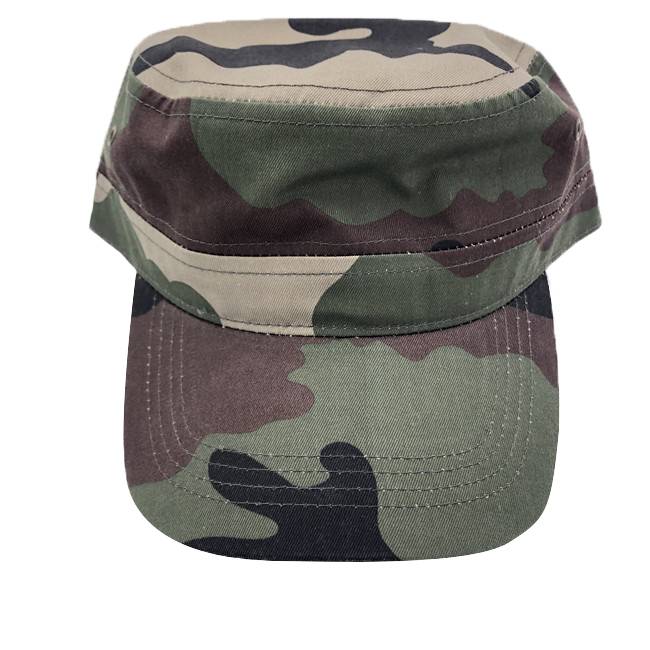
There’s an odd satisfaction in wearing something that feels built to last. The typical army baseball cap isn’t just your run-of-the-mill hat tossed in a box of promotional swag. It’s intentionally designed for rugged use — often crafted from high-quality cotton or durable cotton blends that can take a beating without losing shape. Many manufacturers now emphasize breathability, which is crucial if you’re out under a blazing sun or doing physical labor.
Materials like ripstop fabric come into play too. You know, it’s that grid-like weave that prevents small tears from spreading. I noticed during a recent site visit how one crew member’s cap had taken a serious scrape but still looked solid. That’s a mark of good construction.
| Specification | Details |
|---|---|
| Material | 100% Cotton Canvas / Ripstop Blend |
| Size | One Size Fits Most (Adjustable Strap) |
| Color Options | Olive Drab, Coyote Brown, Black |
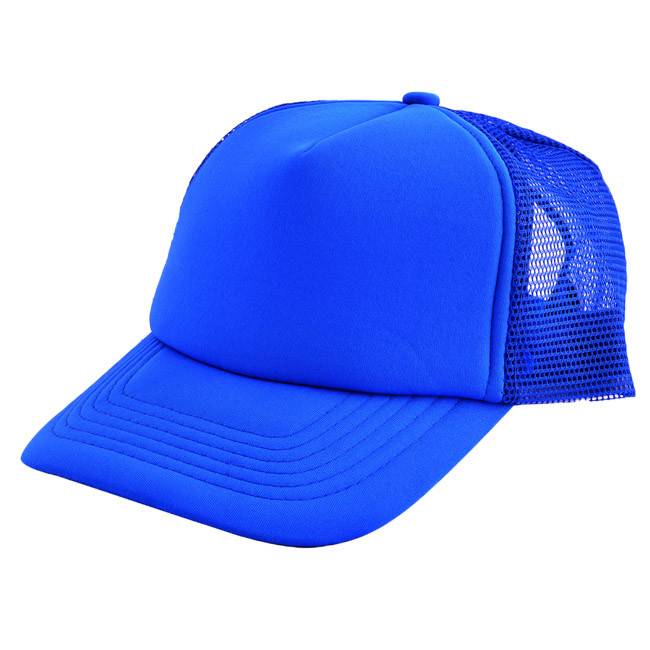
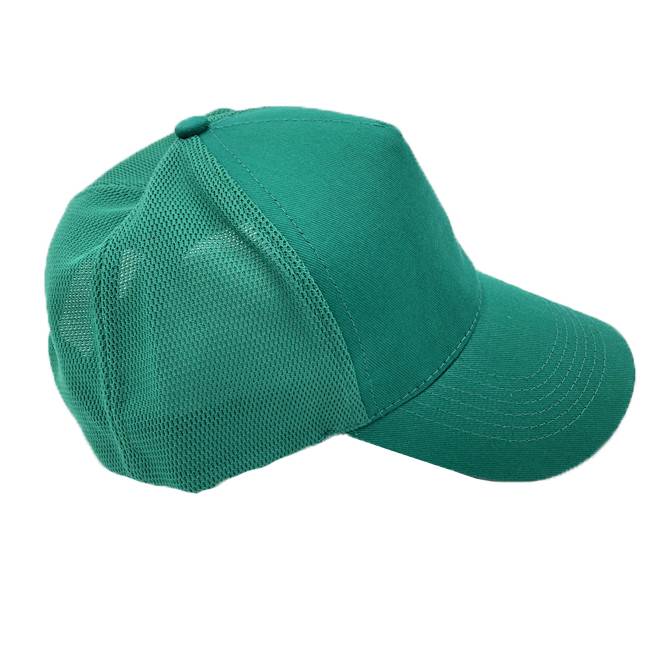
| Ventilation | Embroidered Eyelets / Mesh Panels |
| Closure Type | Velcro Adjustable Strap / Buckle Option |
| Weight | Approx. 85g |
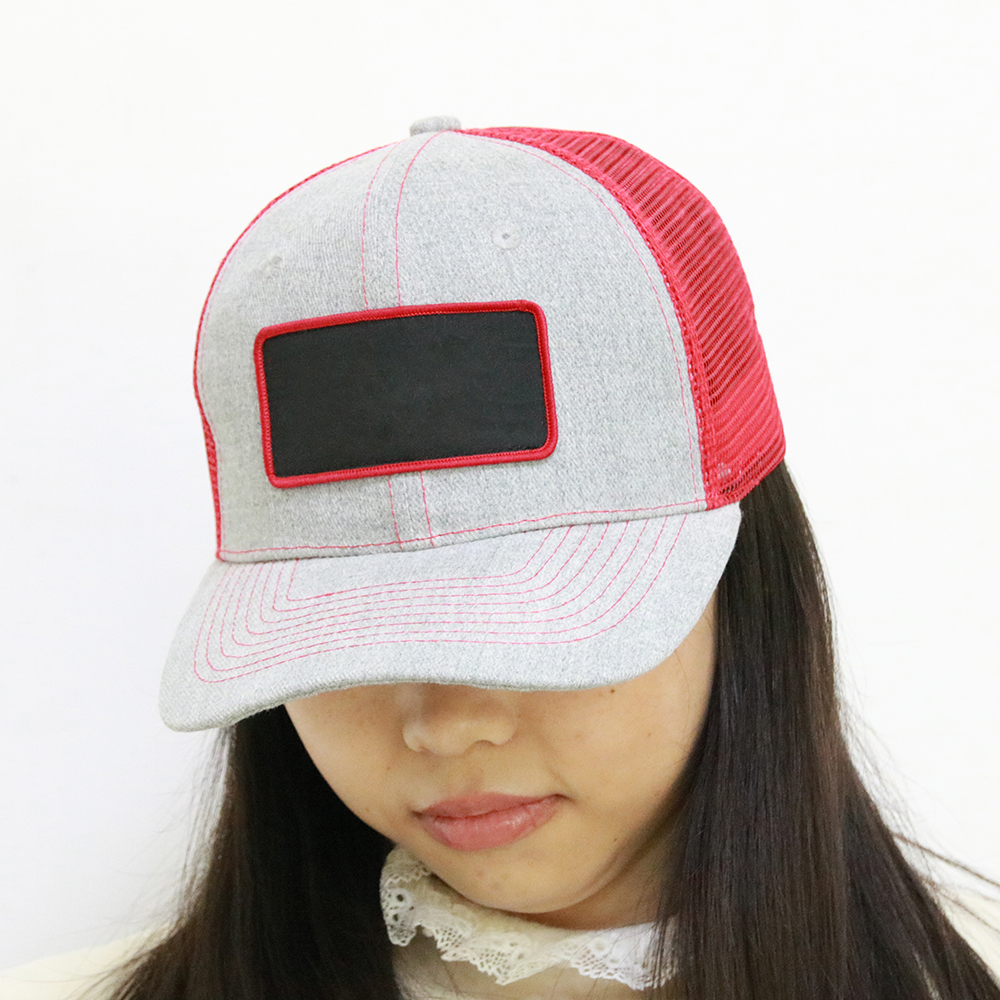
There's more to these caps than meets the eye — customization, for instance, plays a big role, especially when you’re supplying gear for units or corporate teams. Embroidered logos and patches add personality and affiliation. I remember a client who ordered caps with their company emblem stitched on the side. It wasn’t just a branding move; it boosted morale, oddly enough.
When I talk to engineers and procurement specialists, one common thread pops up: testing. These caps go through various wear and tear trials — from UV resistance to colorfastness tests, even flame retardancy in some cases. Not all vendors tick every box, though. So, here’s a quick rundown comparing three suppliers I’ve had some experience with:
| Feature/Vendor | Vendor A | Vendor B | Vendor C |
|---|---|---|---|
| Material Quality | Premium Cotton Ripstop | Standard Cotton Canvas | Blended Polyester-Cotton |
| Customization Options | Embroidery + Patches | Embroidery Only | Printing & Embroidery |
| Durability Testing | Passed UV & Tear Tests | Limited Testing | Basic Abrasion Tests |
| Price | $$$ (Premium) | $ (Budget) | $$ (Mid-Range) |
From my perspective, Vendor A clearly leads in quality and testing — worth the extra bucks if you need longevity and assured performance. Vendor B is good for those tight budgets but might disappoint if rough use is expected. Vendor C hits the middle ground but leans on synthetic blends, which some traditionalists frown upon.
One little story: I once supplied a large batch to a forestry crew in the Pacific Northwest. The hats held up remarkably well through wet weather and dense brush — no fading or sagging. The crew joked about how the caps were tougher than some of their boots, which I found amusing, but it actually underscored how solid gear makes a difference in the field.
To sum, the army baseball cap combines practical design, material science, and customization, which is why it remains beloved in industrial and military circles alike. If you’re shopping around, keep a close eye on material specs and vendor testing protocols — those little details can make or break your purchase.
That’s my two cents from the trenches, so to speak. Gear is like a silent partner — if it lets you down, the results can be frustrating or worse. And you don’t want that.
References:
- Industrial Textile Durability Reports, 2023
- Field Gear Materials Insights, Journal of Outdoor Equipment, 2022
- Customer Feedback Summaries, Rongdong Cap Supplier, 2023
-
Premium Custom Baseball Caps with Logos for Brand VisibilityNewsApr.16,2026
-
Elevate Your Brand with High Quality Custom Hats with My LogoNewsApr.09,2026
-
Elevate Your Brand with Stylish Custom Company Logo HatsNewsApr.07,2026
-
Elevate Your Brand with Stylish Custom Logo Hats and Promotional HeadwearNewsApr.04,2026
-
Discover the Versatility and Style of the Brown Baseball CapNewsMar.31,2026
-
Elevate Your Style with the Timeless Khaki Baseball HatNewsMar.28,2026
-
Discover the Versatility and Style of the Khaki Baseball CapNewsMar.26,2026