Durable & Breathable Mesh Back Caps for Work & Style | Custom Bulk Orders
The Mesh Back Cap: A Global Staple in Functional Headwear
At first glance, a mesh back cap might seem like just another piece of casual apparel, but its role isn’t just about style or sun protection. Across the globe, these lightweight, breathable hats serve crucial functions—from enhancing worker comfort in harsh climates to symbolizing branded identity in countless industries. Understanding why mesh back caps matter reveals a story of innovation, practicality, and subtle design superiority that go beyond their simple appearance.
Global Context: Why Mesh Back Caps Matter Worldwide
Headwear, specifically caps with mesh backs, has seen a steady rise in demand worldwide. According to industry reports by the International Apparel Federation, mesh hats now account for nearly 30% of summer headgear sales in regions as diverse as North America, Southeast Asia, and parts of Europe. What’s driving this surge? In many places, from dusty construction sites in India to sunny farms in California, workers need headwear that balances sun protection with ventilation. The mesh back cap answers that call. Moreover, organizations focusing on outdoor events, sports teams, and promotional merchandise find these caps an affordable yet effective solution for branding and comfort.
Yet, despite their popularity, there’s often confusion over what truly sets mesh back caps apart from traditional caps and hats. A quick search brings up tons of options, but what makes one cap ideal for workplace safety and another perfect for casual strolls on a summer afternoon? Let’s explore what lies beneath the mesh.
What Exactly Is a Mesh Back Cap?
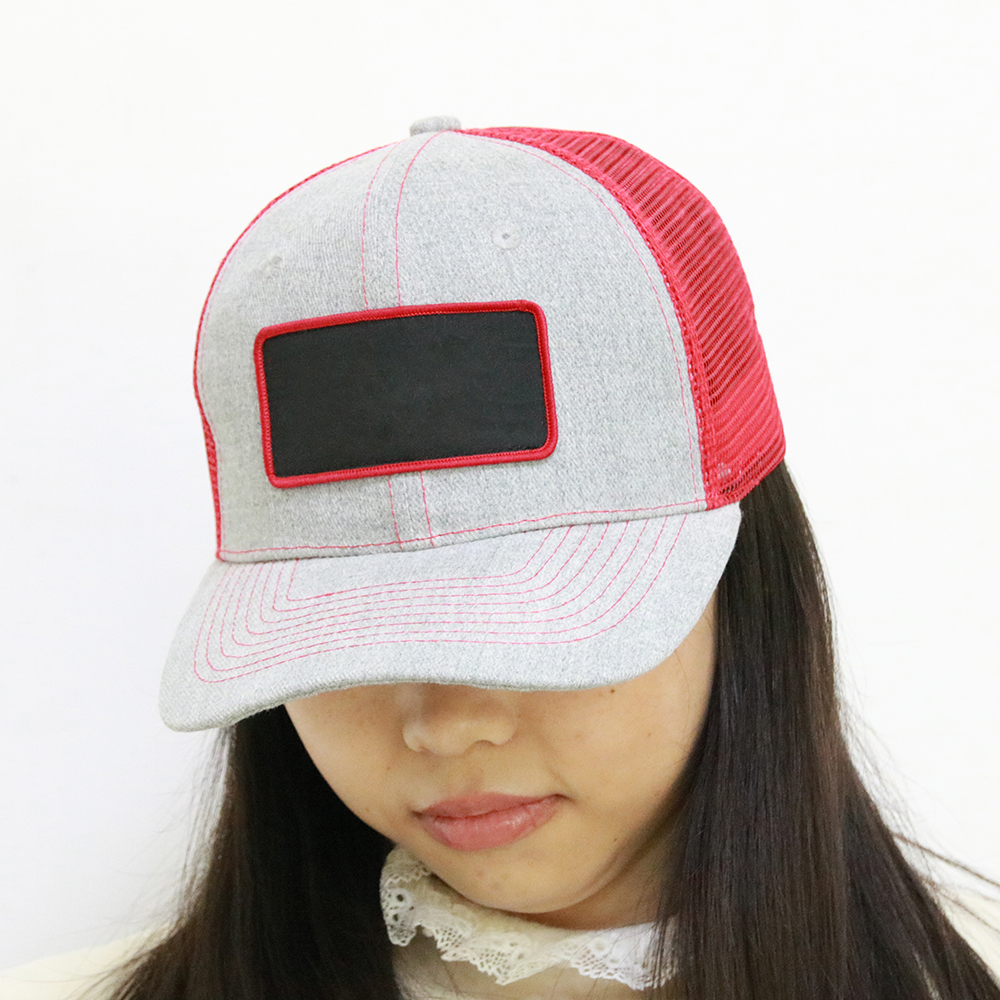
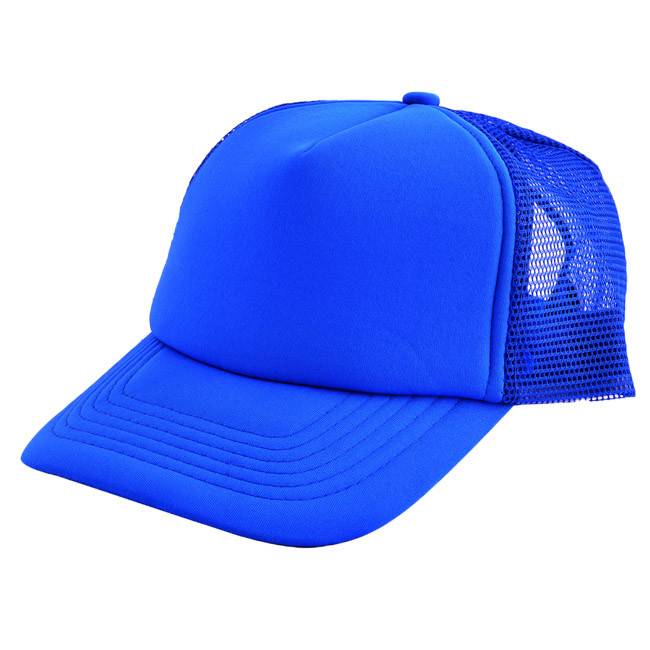
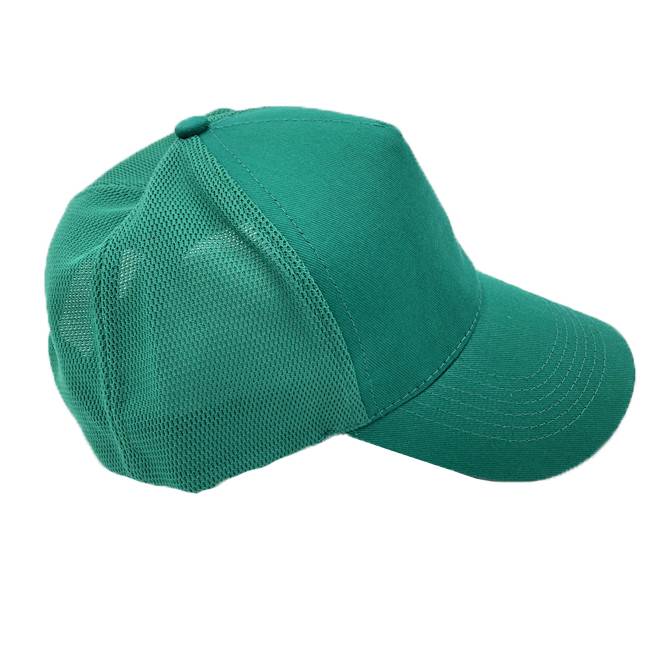
Simply put, a mesh back cap is a type of baseball-style hat characterized by a front panel usually made of solid fabric and a back portion constructed with breathable mesh material. This mesh—often polyester or nylon—allows air to flow freely, reducing sweat and heat build-up.
These caps have been embraced widely not only for their comfort but because they fit seamlessly into many modern industries. From hospitality uniforms to construction workwear, the mesh back cap offers an ergonomic solution that promotes both function and style. Oddly enough, they also play an interesting role in humanitarian aid delivery: lightweight, easy to distribute, often used as corporate gifts - these hats also help with team morale and identity in challenging field operations.
Key Components That Make Mesh Back Caps Stand Out
1. Breathability
The hallmark of the mesh back cap is its ventilated rear panels. These miniature airways allow sweat to evaporate and cools the wearer in high heat environments. Many engineers report that air circulation improves wearer focus during long shifts outdoors.
2. Material Quality
Typically, mesh back caps use polyester or nylon mesh paired with cotton or twill for the front. The blend offers durability without sacrificing softness. Many manufacturers also use moisture-wicking fabrics along with the mesh panel.
3. Adjustable Fit
Snapback or strapback closures make these hats versatile for multiple head sizes. This adjustability is not a small thing when you imagine long workdays or mass giveaways—fit matters!
4. Branding Surface
The solid front allows easy embroidery or printing, turning caps into wearable billboards. Companies prize this for corporate gifting and uniforms.
5. Cost Efficiency
Compared to all-fabric hats or high-tech sun protection gear, mesh back caps balance price and practicality well, especially in bulk orders.
Mini Takeaway:
- Breathability, material blend, adjustable fit, branding opportunity, and cost-efficiency are core to mesh back cap design.
- These elements contribute to their widespread utility—from industry use to fashion.
Product Specification Table
| Specification | Detail |
|---|---|
| Front Panel Material | Cotton twill or polyester blend |
| Back Panel | Polyester mesh (breathable) |
| Closure Type | Adjustable snapback or hook-and-loop strap |
| Brim Type | Curved or flat |
| Typical Weight | 60–80 grams |
| Available Sizes | One size fits most, with adjustable fit |
| Color Options | Wide palette, custom printing available |
Global Applications and Impact of Mesh Back Caps
From the tropical plantations of South America to the urban hardhats of Eastern Europe, mesh back caps have found their place. Because they solve the perennial problem of head discomfort in hot climates, NGOs often distribute these caps during disaster relief and community outreach projects. For example, organizations working with rural farmers in Africa have doubled down on mesh caps to keep teams shielded from the hot sun while maintaining airflow.
In industrial zones—especially those in southern U.S. states and the Middle East—these caps are common OEM safety accessories. They support not just sun protection but also worker identification thanks to company logos embroidered clearly on the front panel. And in the sports world? Teams and fans alike love the airy feel, especially during those long summer matches.
Oddly enough, fashion brands have learned from utilitarian roots as well, elevating the mesh back cap into a trendy streetwear essential. This crossover has only boosted their visibility and relevance.
Mini Takeaway:
- Mesh back caps play roles in industries, humanitarian efforts, and fashion.
- They bridge comfort and utility globally.
Advantages and Long-Term Value of Mesh Back Caps
Tangible benefits go beyond comfort and price. Using these caps consistently promotes safety by reducing heat stress and sun exposure, which according to the World Health Organization has long-term health risks if ignored. Socially, the caps foster unity, whether among workers or volunteers. Feeling part of a team, wearing something comfortable, sparks trust and morale.
There’s also a sustainability angle. Many manufacturers are now hopping on eco-friendly fabrics and recycled polyester meshes. This shift reduces landfill waste and carbon footprint—two things more brands are conscious about every year.
Looking Ahead: Innovations and Trends in Mesh Back Caps
The future? Materials science is pushing boundaries. Researchers work on antimicrobial meshes to keep caps fresher longer and fabrics that reflect infrared rays for extra heat defense. Automation in manufacturing means smaller runs of customized caps are now cost-effective, perfect for niche markets or special events.
Plus, with more companies adopting digital printing, branding goes far beyond a mere logo—interactive QR codes or glow-in-the-dark inks are just around the corner.
Challenges & Practical Solutions
Despite their many perks, mesh back caps aren’t perfect. Some users complain about durability—especially when cheap materials are used—or that certain mesh fabrics irritate sensitive skin. The fix? Quality control and better fabric blends are key. Many vendors now offer hypoallergenic liners and reinforced stitching.
Also, in extremely dusty or cold environments, mesh caps lose some appeal and other headwear styles may be better choices. Experts recommend a hybrid approach: mesh for warm, dry locations, and insulated caps where protection from elements is paramount.
Vendor Comparison Table: Picking the Right Supplier
| Vendor | Material Quality | Customization Options | Lead Time | Price Range (bulk) |
|---|---|---|---|---|
| Vendor A | High - premium polyester & cotton blend | Full embroidery, digital print, patch options | 2-3 weeks | $3.50 - $5.00 per unit |
| Vendor B | Medium - standard polyester mesh | Embroidery only | 1-2 weeks | $2.00 - $3.00 per unit |
| Vendor C | Basic - economy blends | Limited colors, minimal branding | 3-4 weeks | $1.00 - $1.80 per unit |
Frequently Asked Questions about Mesh Back Caps
- What makes mesh back caps better than regular baseball hats for outdoor work?
- The main advantage is ventilation—mesh panels allow airflow that helps keep the head cool, reducing sweat and heat buildup. This makes them more comfortable during extended outdoor use, especially in hot climates.
- Can mesh back caps be customized for company branding?
- Yes, most mesh back caps have a solid front panel perfect for embroidery, patches, or digital prints. They are popular as promotional giveaways or uniform accessories because of their branding versatility.
- Are mesh back caps durable enough for industrial use?
- When sourced from quality vendors, mesh back caps use robust textiles designed to endure daily wear. However, extremely harsh environments might require more specialized headwear.
- How do I know which mesh back cap is right for my team's needs?
- Consider climate, duration of use, budget, and branding requirements. Vendors often offer samples and customization options. For working outdoors in hot weather, choose caps with high breathability and moisture-wicking fabric.
- Where can I purchase mesh back caps in bulk?
- Numerous manufacturers and suppliers worldwide offer bulk orders. For trusted quality and customization, visit reputable industry sites or mesh back cap suppliers who specialize in durable, breathable caps.
In Summary
Mesh back caps quietly solve the problem we all too easily overlook: comfort under the sun. Their blend of breathable mesh, adjustable fitting, and cost-efficient materials make them indispensable worldwide—from workforces under harsh daylight to teams rallying around a shared identity. For anyone needing practical headwear that also carries a style point or branding punch, the mesh back cap remains the go-to solution. Looking ahead, advances in materials and manufacturing promise even greater comfort and sustainability.
If you're interested in exploring quality mesh back caps for either professional or personal use, visit our website for a full range of options tailored to your needs.
References
-
Premium Custom Baseball Caps with Logos for Brand VisibilityNewsApr.16,2026
-
Elevate Your Brand with High Quality Custom Hats with My LogoNewsApr.09,2026
-
Elevate Your Brand with Stylish Custom Company Logo HatsNewsApr.07,2026
-
Elevate Your Brand with Stylish Custom Logo Hats and Promotional HeadwearNewsApr.04,2026
-
Discover the Versatility and Style of the Brown Baseball CapNewsMar.31,2026
-
Elevate Your Style with the Timeless Khaki Baseball HatNewsMar.28,2026
-
Discover the Versatility and Style of the Khaki Baseball CapNewsMar.26,2026