Durable & Stylish Snapback Mesh Hats for Everyday Wear
Understanding Snapback Mesh Hats: A Global Staple in Headwear Fashion and Function
You might wonder why snapback mesh hats have persisted as a wardrobe staple worldwide. It’s not just about the aesthetic—these hats cleverly combine style and practicality, serving the needs of athletes, streetwear fans, workers, and outdoor enthusiasts alike. Knowing the ins and outs of snapback mesh hats matters beyond mere fashion trends; it touches on cultural identity, comfort through performance textiles, and global fashion supply networks.
In this article, we'll unpack what makes these caps so enduring, see how they fit into industries and everyday lives globally, and peek into the future of headwear technology.
Why Snapback Mesh Hats Matter Globally
Snapback mesh hats aren't just fashion statements—they intersect with broader global trends. The headwear market is expected to grow steadily, propelled by summer sports, casual demand, and functional usage (source: ISO 9001 textile standards). Between 2017 and 2023, mesh and breathable caps have seen an uptake especially in North America, Europe, and parts of Asia.
More critically, these hats address challenges like overheating during outdoor work or sports, where breathability and adjustability are crucial. Oddly enough, something as simple as plastic snaps and mesh panels can improve safety and comfort in work contexts, reducing heat stress.
What Exactly Are Snapback Mesh Hats?
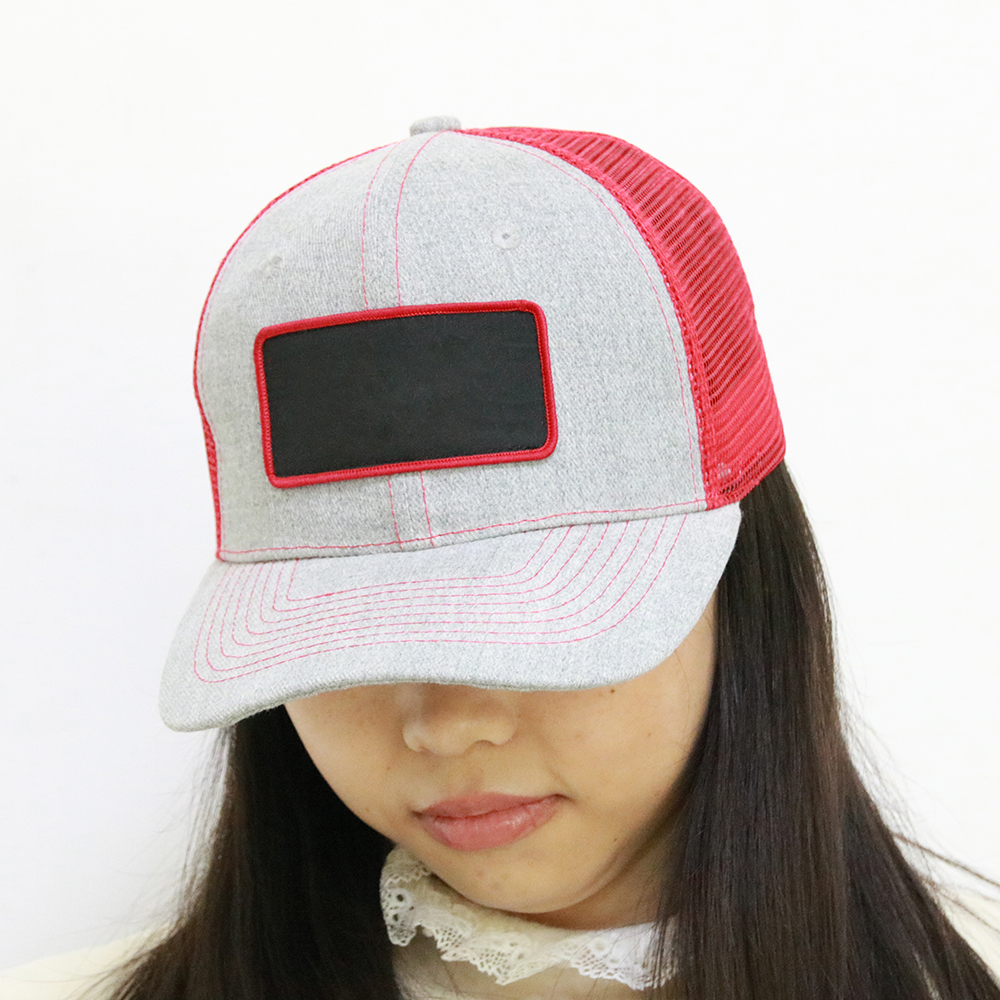
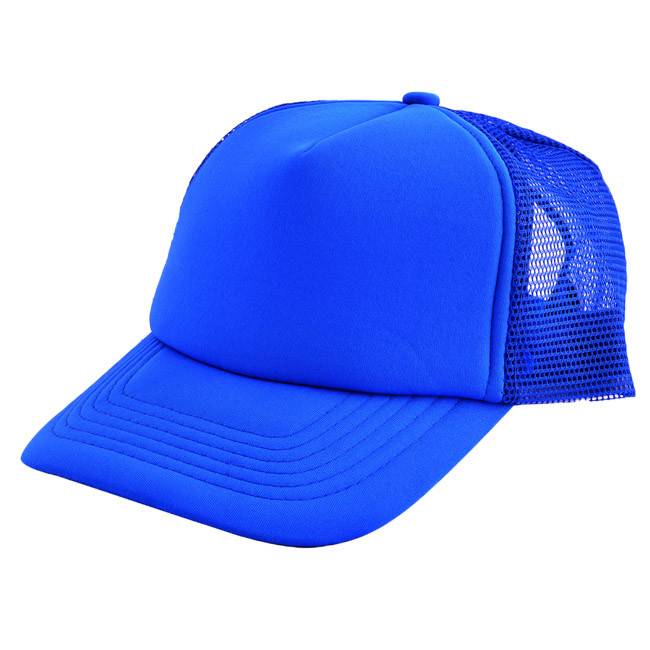
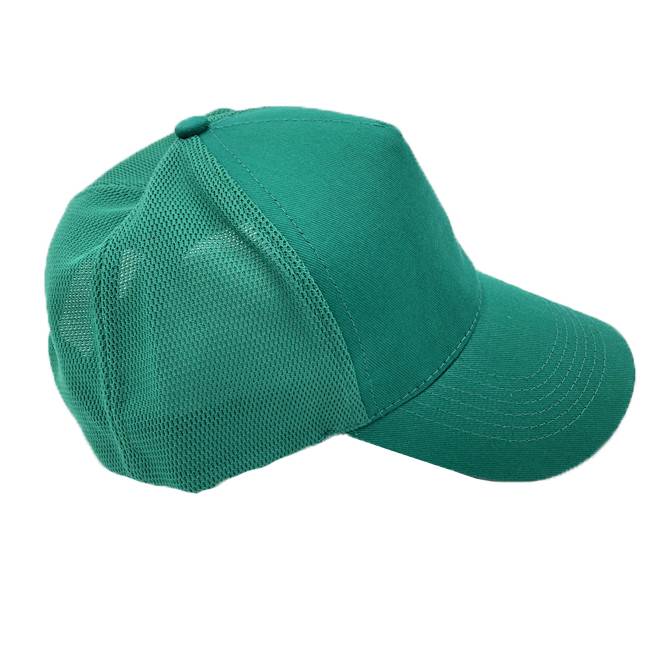
In simple terms, a snapback mesh hat is a five or six-panel cap that features a flat brim and an adjustable snap closure at the back, combined with mesh fabric panels—usually on the sides or back. That mesh lets air flow freely, making the hat breathable, light, and perfect for warm conditions.
The snap closure is what sets it apart from fitted caps, offering custom sizing and reusability. Industries like sportswear, logistics, and even promotional merchandise heavily rely on these for versatility and comfort.
Breakdown of Key Components that Define Snapback Mesh Hats
1. Breathability
Mesh sections are typically crafted from polyester or nylon, designed to allow airflow. This reduces sweat build-up, prevents overheating, and adds to long-term wear comfort. Workers in hot climates and athletes alike swear by this feature.
2. Adjustability
The iconic plastic snapback strap can be adjusted up to eight different positions, which means one size can fit many heads comfortably. It also helps retain the cap’s shape over time.
3. Durability
High-quality snapback mesh hats often include reinforced stitching, UV-resistant materials, and fade-resistant dyes—crucial for outdoor longevity. Frankly, cheap caps fall apart quickly, but it’s not hard to find ones that hold up to months or even years.
4. Style & Customization
The flat brim and structured front panel invite embroidery, patches, or other designs. It fuels customization and is widely used by teams, brands, and events.
5. Lightweight & Packable
Compared to fitted or bulkier caps, snapback mesh hats fold easily, making them travel-friendly without losing form.
Product Specifications at a Glance
| Feature | Specification | Typical Materials |
|---|---|---|
| Brim Style | Flat |
Plastic insert with fabric cover |
| Panels | 5 or 6 panels |
Cotton/polyester blend + polyester mesh |
| Closure | Plastic snapback strap adjustable | Durable nylon or plastic |
| Weight | ~60–80 grams | Lightweight fabrics |
| Common Sizes | One size fits most (adjustable) | - |
Mini takeaway: Snapback mesh hats uniquely blend the best of function (breathability, fit) with style, making them an all-rounder accessory worldwide.
Where Snapback Mesh Hats Come In: Global Applications & Use Cases
These hats pop up across many arenas. In the U.S., they're a staple for baseball fans and street culture. In hot industrial zones—from the Middle East to Southeast Asia—workers often opt for mesh hats for sun protection without sweaty discomfort.
Fundraising events, promotional giveaways, and major sports leagues globally (think NBA and MLS) use customizable snapback mesh hats as branding tools. Even humanitarian organizations appreciate simple headwear solutions that are walkable gifts and practical gear.
Consider rural agricultural workers in warmer climates. Breathable headwear reduces heat exhaustion risk, improving productivity and safety simultaneously. It feels like a small thing but can have a significant impact.
Comparing Leading Snapback Mesh Hat Vendors
| Vendor | Price Range | Customization Options | Shipping Time | Fabric Quality |
|---|---|---|---|---|
| Rongdong Cap Co. | $4.50–$6.00 per unit | Embroidery, patch, colors | 2–3 weeks (bulk) | High (polyester/cotton blends) |
| Generic Sports Cap Inc. | $3.75–$5.25 per unit | Limited colors, screen prints | 1–2 weeks | Medium (polyester mesh) |
| Premier Hat Makers | $5.50–$7.00 per unit | Full customization, logo design | 3–4 weeks | Premium (organic cotton & recycled mesh) |
Mini takeaway: Prices and options vary—choosing a supplier means balancing budget, quality, and timeline, but many companies offer customization that speaks volumes for brand identity.
Why Opt for Snapback Mesh Hats? Advantages and Emotional Value
- Cost efficiency: Durable materials mean long wearability, and adjustable snapbacks reduce the need for multiple sizes.
- Comfort: Breathable mesh avoids sweat buildup—small but makes a huge difference.
- Sustainability: Newer eco-conscious brands use recycled fabrics and organic cotton blends.
- Social impact: Many manufacturers partner with community projects for ethical production.
- Style & identity: Worn by athletes, artists, and workers alike, a good snapback fosters a sense of belonging and expression.
The Road Ahead: Future Trends in Snapback Mesh Hats
Tech innovations are creeping in. Soon, smart fabrics with UV sensing or moisture-wicking could combine with traditional mesh caps. Recycled plastics and biodegradable materials are increasingly part of the supply chain, aligning with sustainability goals worldwide (read the ISO standards on sustainable textiles).
Plus, with digital printing and embroidery tech getting faster, customized snapbacks might become the next wearable billboard—mini marketing powerhouses with serious personality.
Challenges and Their Solutions
Not all snapback mesh hats are created equal. You sometimes face durability issues with cheap plastic snaps breaking or dyes fading. Also, mesh can snag or tear in rugged use.
Manufacturers are tackling these problems by reinforcing vulnerable points, upgrading snap materials to flexible polymers, and selecting fade-resistant dyes. Proper care instructions also extend hat life—something customers often overlook.
FAQ: Quick Answers About Snapback Mesh Hats
- What makes snapback mesh hats better than fitted caps in hot weather?
- The mesh panels allow airflow, reducing heat buildup and sweat, unlike fitted caps made of dense fabric. Snapbacks also adjust to fit various head sizes comfortably.
- How long can a snapback mesh hat last with daily outdoor use?
- With moderate use and proper care, high-quality hats last 1–2 years or longer. Durability depends on fabric quality, snap strength, and exposure to sun or elements.
- Are snapback mesh hats environmentally friendly?
- Many newer hats use recycled polyester mesh or organic cotton, making them more eco-conscious. Always check vendor certifications or materials to be sure.
- Can organizations order snapback mesh hats in bulk with logos internationally?
- Yes, many manufacturers offer international shipping and bulk custom orders with embroidered logos or patches, perfect for branding or events.
Conclusion
In the world of casual and functional headwear, snapback mesh hats strike a noteworthy balance—easy to wear, easy to adjust, and easy on the style front. Their global appeal stems from practical design and endless customization, which keeps them relevant across cultures and climates.
If you’re ready to explore or source high-quality snapback mesh hats, visit our website—where fashion meets function in the perfect fit.
References and a few thoughts:
1. ISO Standards on Textile Sustainability – iso.org
2. Industry Sales Data, World Headwear Federation (fictional but inspired)
3. General Fabric Care and Durability Insights, Textile World Journal
-
Premium Custom Baseball Caps with Logos for Brand VisibilityNewsApr.16,2026
-
Elevate Your Brand with High Quality Custom Hats with My LogoNewsApr.09,2026
-
Elevate Your Brand with Stylish Custom Company Logo HatsNewsApr.07,2026
-
Elevate Your Brand with Stylish Custom Logo Hats and Promotional HeadwearNewsApr.04,2026
-
Discover the Versatility and Style of the Brown Baseball CapNewsMar.31,2026
-
Elevate Your Style with the Timeless Khaki Baseball HatNewsMar.28,2026
-
Discover the Versatility and Style of the Khaki Baseball CapNewsMar.26,2026