Expert Insights on Trucker Hat Design: Trends, Benefits & Industry Applications
The Subtle Art and Impact of Trucker Hat Design
If you glanced at a crowd today, you'd spot dozens of trucker hats – those iconic caps with mesh backs and bold front panels. But behind their casual streetwear appeal lies an intricate trucker hat design story with a surprisingly global reach. From functional outdoor gear to promotional tools, understanding how trucker hats are designed sheds light on cultural, industrial, and even environmental trends worldwide. It matters beyond just fashion – it’s about innovation, identity, and adaptability in a small but mighty product.
Why Trucker Hat Design Matters Globally
Oddly enough, the humble trucker hat reflects a convergence of global manufacturing, textile innovation, and marketing trends. The World Bank reports that textile and apparel production remains a substantial part of many developing economies’ exports, and hats are a staple accessory worldwide. The design is not just aesthetic. Its mesh backing is a clever thermal regulator, preferred in warmer climates for ventilation, which helps workers, athletes, and everyday users stay comfortable.
Yet, designing a trucker hat that perfectly balances style, function, and cost-efficiency isn’t trivial. One challenge many manufacturers face is creating designs that appeal across regions while also being durable enough to meet diverse climate and usage demands. The rising eco-conscious movement adds another layer, urging innovation in materials and manufacturing methods.
Quick takeaway:
- Trucker hat design reflects global textile trends and evolving consumer needs.
- Its functional mesh aspect meets climatic and ergonomic needs worldwide.
- Sustainability and versatility are becoming critical design challenges.
What Exactly Is Trucker Hat Design?
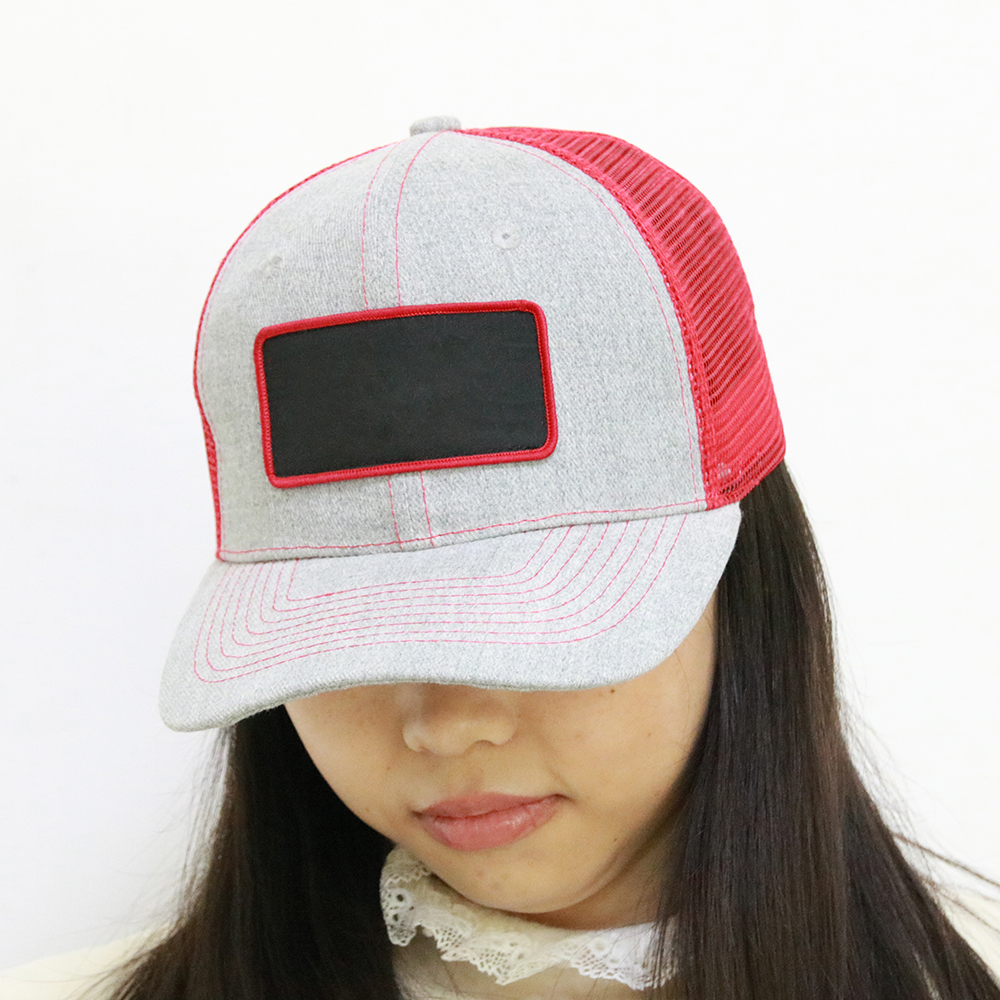
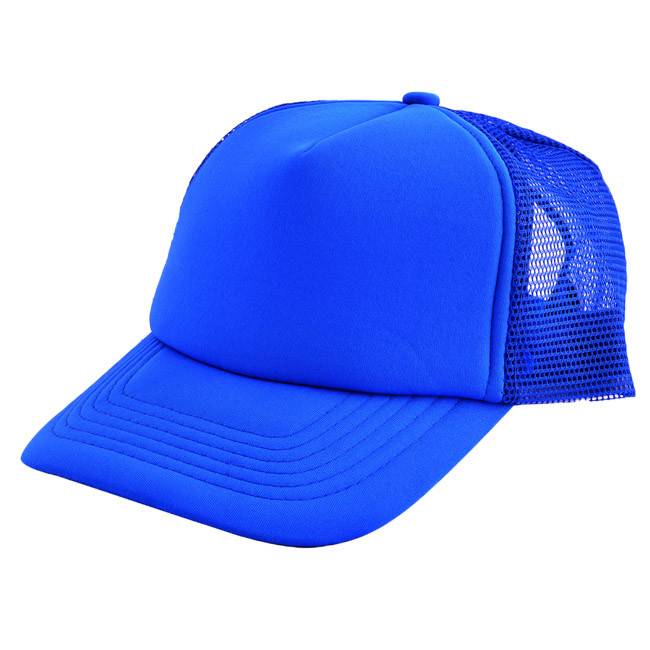
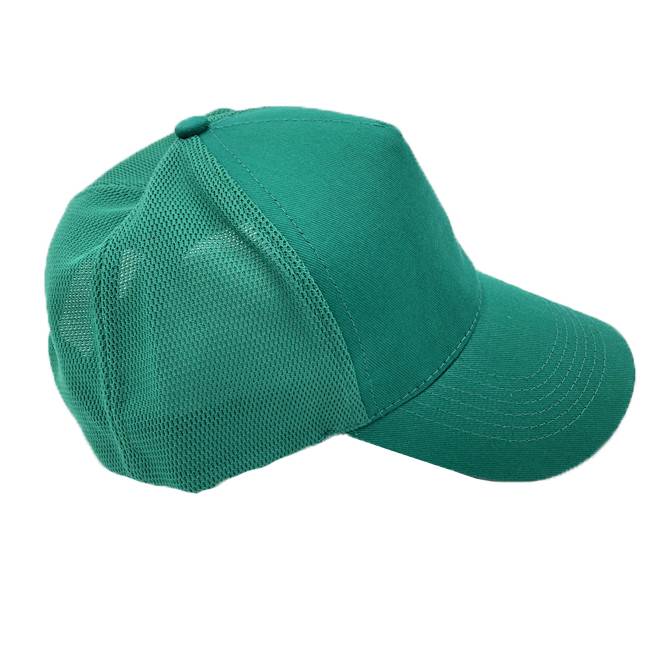
In simple terms, trucker hat design refers to the creation process and structural aspects that define what a trucker hat looks like and how it performs. Typically, a trucker hat features a foam or cloth front panel, a curved brim, and a breathable mesh back. This blend originated from American truck drivers needing practical headwear that was cool and lightweight.
In today’s industries, from outdoor sports to marketing and humanitarian aid (think: promotional giveaways in relief operations), the design of these hats speaks to their usability, brand messaging, and comfort. For example, NGOs might opt for high-visibility colors and logos on the front panels for awareness campaigns.
Mini takeaway:
- Trucker hats combine breathable materials with branded front panels.
- The design’s simplicity makes it highly adaptable across industries.
- It serves both functional and promotional purposes globally.
Core Aspects of Effective Trucker Hat Design
1. Ventilation & Durability
The mesh back isn’t just for looks — it’s the heart of airflow management, critical in hot environments. Good trucker hat design uses high-quality mesh to maintain breathability without sacrificing durability. Roughly 85% of manufacturers source polyester mesh that balances stretch and longevity.
2. Adjustable Fit
One size rarely fits all, so adjustable snapbacks or velcro closures are a must. The design needs to cater to a diverse user base, whether someone has a slim or broader head shape, ensuring comfort for long wear.
3. Front Panel Material
The front needs to hold prints, embroidery, or patches well. Foam fronts lend themselves to detailed graphics, but cotton/poly blends offer better sustainability and breathability — a fine trade-off designers juggle.
4. Eco-Friendly Materials
Sustainability is more than a buzzword. Increasingly, trucker hats incorporate recycled polyester meshes or organic cotton fronts. Although often pricier, these choices resonate with consumers and reflect corporate responsibility.
5. Cost Efficiency of Production
Competitive pricing matters, especially when ordering in bulk for promotional purposes. Streamlined design choices that don’t sacrifice quality (like simplified stitching or hybrid materials) help manufacturers keep costs down while delivering value.
6. Branding & Customization Options
Flexibility in customization is a huge selling point. Whether it’s embroidery, screen printing, or appliqué, a good design supports various branding methods without ruining ventilation or fit.
Small takeaway:
- Balance mesh quality with durability for breathable comfort.
- Customization and fit are vital for diverse user needs.
- Sustainability adds upfront cost but long-term brand value.
Global Applications & Real-World Use Cases
From small towns in North America to sprawling cities in Southeast Asia, trucker hats serve a wide clientele. In the logistics and construction industries, workers rely on ventilated hats paired with other PPE to stay comfortable outdoors. Sports teams incorporate custom trucker hats as part of casual merchandise. Oddly enough, some aid agencies have adopted them for promotional campaigns due to their low cost and ease of branding.
Take Alberta, Canada, for instance: during the summer wildfires, crews distributed customized trucker hats that provided lightweight comfort, crucial for workers spending long shifts outside wearing heavy gear. On a cultural note, their popularity among youth in Latin America continues growing — blending function with streetwear sensibility.
Product Specification Table: Typical Trucker Hat Design Features
| Feature | Specification | Benefit |
|---|---|---|
| Mesh Type | 100% Polyester Breathable Mesh | Optimal airflow, durability in sun |
| Front Panel Material | Foam or Organic Cotton Blend | Print clarity, sustainable feel |
| Brim Type | Curved Polyurethane-Coated Cotton | Sun protection, shape retention |
| Adjustability | Plastic Snapback Closure | Flexible sizing for comfort |
| Weight | ~85 Grams (Lightweight) | All-day wear comfort |
| Sustainability | Recycled Polyester Option Available | Reduced environmental footprint |
Vendor Comparison: Trucker Hat Manufacturers
| Vendor | Material Quality | Customization Options | Pricing (USD per unit) | Lead Time |
|---|---|---|---|---|
| CapCo International | Premium Mesh & Cotton Front | Embroidery, Screen Print | $3.50 - $4.00 | 4-6 weeks |
| FastFit Caps | Standard Polyester Mesh | Screen Print Only | $2.75 - $3.20 | 3-5 weeks |
| EcoCaps Ltd. | Recycled Polyester Mesh | Embroidery, Appliqué | $4.20 - $4.75 | 5-7 weeks |
The Advantages of Thoughtful Trucker Hat Design
One practical benefit is comfort. A well-designed trucker hat reduces heat build-up, which you notice after just a half-hour outdoors. Cost-wise, the hats are affordable—perfect for mass promotional runs or uniform caps. On the emotional side, offering durable and attractive hats reflects a company’s respect for the wearer, reinforcing trust and loyalty.
As sustainability seeps deeper into consumer values, many appreciate hats that use recycled fibers — you feel a little better wearing those, knowing their carbon footprint is less guilt-laden. In community outreach, a simple hat design becomes a symbol of dignity and belonging, more than just a fashion statement.
Looking Ahead: Trends Shaping Trucker Hat Design
Watch out for integration of digital printing technology for high-res graphics on mesh fabrics — something that was tricky before. We’re also seeing new bio-based materials challenging polyester as the mesh of choice. Automation in sewing and cutting means faster turnaround and tighter tolerance on quality, which is great for businesses that want consistent product batches.
Of course, sustainability will dominate — expect more brands dropping plastic snaps in favor of biodegradable alternatives. Combining smart textiles that cool the user actively? Maybe in the next decade. All of this points toward trucker hats that are engineered, almost like wearable tech.
Common Challenges & How Industry Experts Tackle Them
Mesh durability often takes a hit when customized repeatedly or washed often. Experts suggest double-layer mesh or coated finishes without compromising breathability. Fit discrepancies still frustrate some customers; so new adjustable designs with flexible materials help here. The biggest hurdle? Balancing eco-material costs with competitive pricing — a trend that calls for innovative sourcing and bulk manufacturing.
Brands who stay close to suppliers and end-users by adjusting small details often win loyal clients. It’s sort of like tailoring, but for hats.
FAQ: Frequently Asked Questions About Trucker Hat Design
- Q: What makes trucker hats better for hot climates?
A: The breathable mesh back promotes airflow, reducing heat buildup compared to solid fabric caps. This helps keep your head cool during hot weather or intense activities. - Q: Can trucker hats be customized for branding?
A: Absolutely. The foam or cloth front panel can feature embroidery, screen printing, or patches to showcase logos or messages, perfect for businesses or events. - Q: Are eco-friendly materials used in traditional trucker hat designs?
A: Increasingly yes. Manufacturers offer versions with recycled polyester mesh and organic cotton fronts to meet sustainability goals without compromising quality. - Q: How long does it usually take to produce custom trucker hats?
A: Lead times typically range from 3 to 7 weeks depending on vendor, order size, and complexity of customization. - Q: Can trucker hats be cost-effective for large promotional giveaways?
A: Yes, they offer a great balance of affordability, visibility, and user appeal, making them excellent for bulk promotional distribution.
Wrapping Up and Next Steps
Ultimately, trucker hat design is a small but potent example of how good design and thoughtful materials impact daily life and commerce on a global scale. Whether you’re a brand looking for a versatile promotional item or an outdoor professional needing functional headgear, the quality and thought behind the design matters. So, if you want a hat that’s comfortable, customizable, and environmentally sensible, exploring trucker hat design solutions is a smart place to start.
Feeling inspired? Visit our website, and let’s talk custom options that fit your needs and your budget.
References
-
Premium Custom Baseball Caps with Logos for Brand VisibilityNewsApr.16,2026
-
Elevate Your Brand with High Quality Custom Hats with My LogoNewsApr.09,2026
-
Elevate Your Brand with Stylish Custom Company Logo HatsNewsApr.07,2026
-
Elevate Your Brand with Stylish Custom Logo Hats and Promotional HeadwearNewsApr.04,2026
-
Discover the Versatility and Style of the Brown Baseball CapNewsMar.31,2026
-
Elevate Your Style with the Timeless Khaki Baseball HatNewsMar.28,2026
-
Discover the Versatility and Style of the Khaki Baseball CapNewsMar.26,2026