High-Quality Custom Mesh Caps – Tailored Comfort and Protection Worldwide
Understanding Custom Mesh Caps: Why They Matter Worldwide
When you first hear the term custom mesh caps, you might picture a simple everyday hat, but in reality, these specialized caps play a surprisingly vital role across industries worldwide. From protecting delicate machinery parts to enhancing worker safety in harsh environments, the demand for tailored mesh caps has been steadily growing — not just as a fashion statement, but as function-driven solutions. Understanding them means tapping into innovations that marry durability, cost-efficiency, and sustainability, which truly matter in a globally connected market facing increasing industrial challenges.
The Global Context of Custom Mesh Caps
Across continents, manufacturing and assembly lines rely heavily on protective accessories like mesh caps to maintain health standards and operational integrity. According to the International Organization for Standardization (ISO), workplace safety and equipment maintenance are non-negotiable in reducing downtime and boosting productivity. However, many industries—especially in Asia, Europe, and North America—face hurdles such as rapidly changing regulations, rising labor costs, and demands for more eco-friendly materials.
Custom mesh caps step in to address these challenges by offering tailored solutions that combine breathable design with protective features. They are particularly critical in sectors like food processing, pharmaceuticals, electronics manufacturing, and agricultural work, where contamination and heat dissipation are perpetual concerns.
What Exactly Are Custom Mesh Caps?
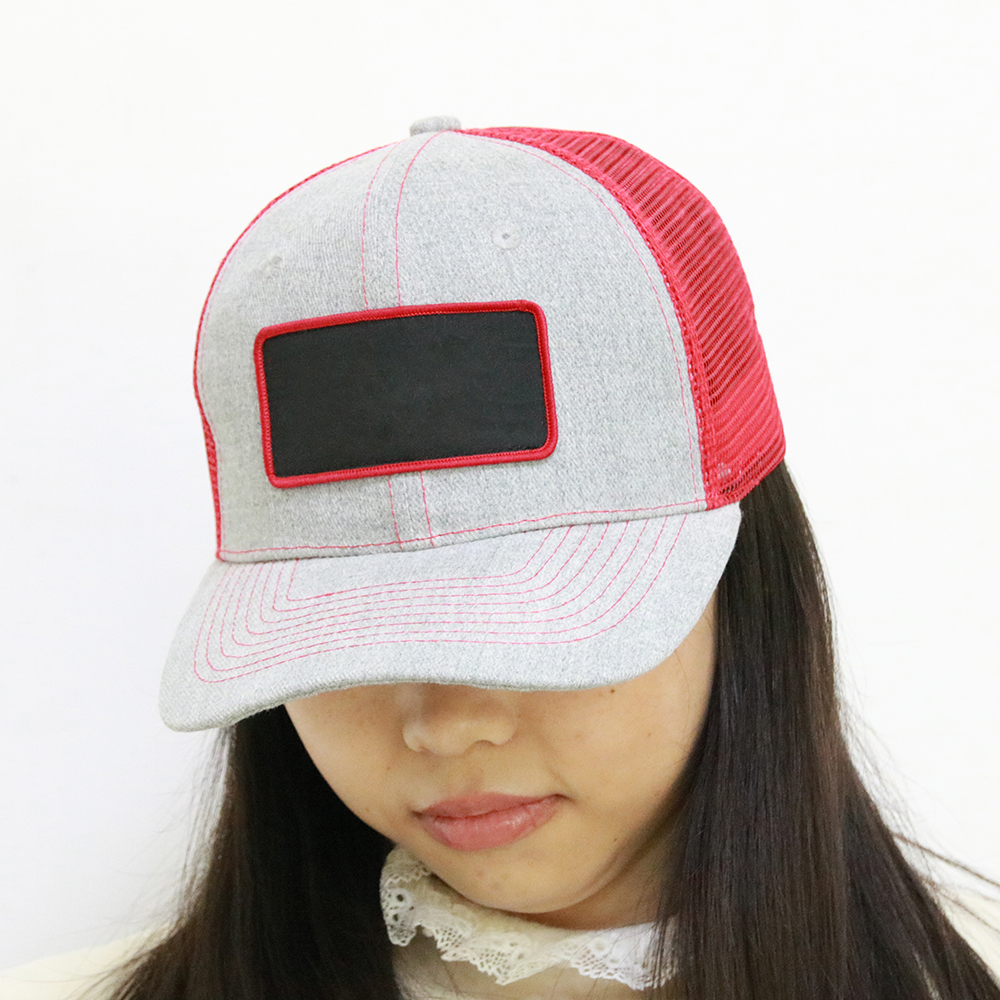
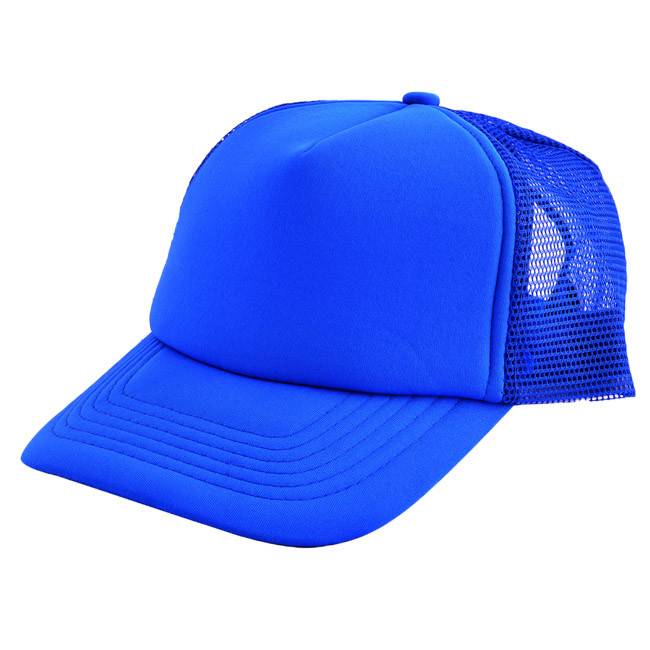
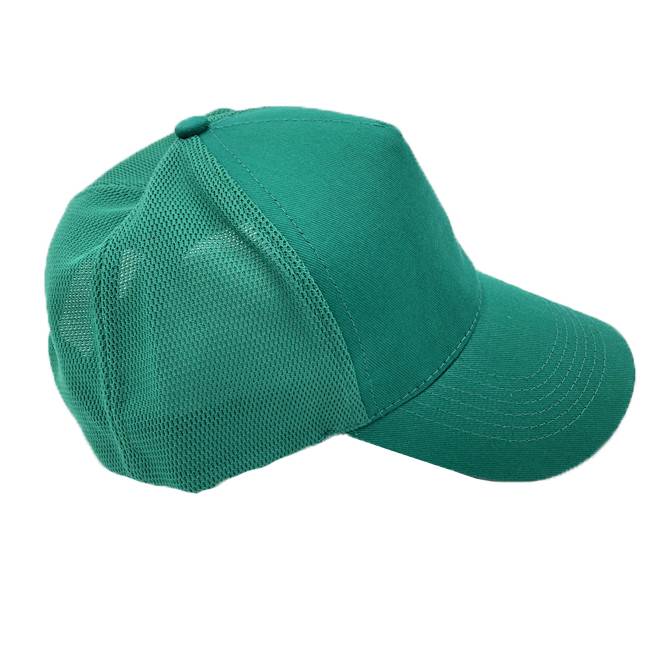
Put simply, custom mesh caps are headgear designed with mesh fabric or netting, tailored to meet specific requirements of industries or individuals. Unlike generic caps, these are crafted with precise dimensions, mesh density, and material composition to adapt to varied environmental and functional needs. In a more technical sense, they represent the intersection where textile engineering meets ergonomic design—helping workers stay cool, clean, and safe while ensuring machines and products remain uncontaminated.
More than just headwear, they are a part of modern industry’s hygiene and safety ecosystem—serving both as personal protective equipment (PPE) and as safeguards for sensitive environments.
Key Components That Make Custom Mesh Caps Stand Out
1. Breathability
Mesh caps are prized for their ventilation. The open structure reduces heat and moisture buildup, which is particularly vital in hot climates or high-exertion jobs. The mesh size is often chosen carefully to balance airflow with protective coverage.
2. Durability
Depending on the use case, custom mesh caps are made from materials like polyester, nylon, or even silicone-coated fabrics. Durability ensures long-term use without wear or tearing — very important when replacing PPE frequently isn’t practical.
3. Custom Fit and Sizing
Unlike mass-produced mesh caps, custom designs accommodate a wide range of head sizes and shapes, improving comfort and compliance among workers. Adjustable straps, elastic bands, or stretch fabrics are common features adapted per user needs.
4. Resistance to Contaminants
In industries concerned with hygiene—such as food processing or medical device manufacturing—mesh caps often incorporate anti-microbial treatments or fine mesh weaves that block dust, hair, and microorganisms.
5. Cost Efficiency
Tailoring mesh caps might sound expensive, but when factoring in reduced waste, longer lifespan, and minimized downtime, the overall investment is surprisingly reasonable.
6. Sustainability
Increasingly, manufacturers are embracing recycled or biodegradable materials—an exciting trend indicative of the push towards greener production practices globally.
Mini takeaway: Custom mesh caps aren’t just hats — they’re thoughtfully engineered gear balancing comfort, protection, and the evolving demands of modern industries.
Real-World Applications of Custom Mesh Caps
Custom mesh caps find homes in a variety of industries and geographical areas:
- Food & Beverage: In large-scale bakeries in Europe, mesh caps prevent hair and dust contamination while allowing workers to stay cool during long shifts.
- Pharmaceutical Manufacturing: Cleanrooms in North America use ultra-fine mesh caps as part of full PPE ensembles to reduce micro-particle exposure.
- Agriculture: Farmers in Southeast Asia wear mesh caps treated with UV protection and anti-insect fabrics, which combined comfort with safety.
- Industrial Zones: Factories handling electronics in China rely on mesh caps that comply with local safety regulations and ISO standards.
Oddly enough, these caps also help non-industrial sectors: firefighting and construction crews use custom mesh liners to manage heat and sweat under helmets. Even some urban fashion lines take inspiration from the functional designs.
Custom Mesh Caps Product Specification Table
| Specification | Typical Feature | Industry Use |
|---|---|---|
| Material | Polyester mesh with antibacterial coating | Food, Pharma |
| Mesh Density | 120-150 holes/inch² | Cleanroom Applications |
| Adjustability | Velcro strap or elastic band | General Industrial |
| UV Protection | Optional UPF 30+ Coating | Agriculture, Outdoor Work |
| Weight | Approx. 30 grams | All Sectors |
Comparing Leading Vendors of Custom Mesh Caps
| Vendor | Customization Options | Price Range (per unit) | Lead Time | Global Shipping |
|---|---|---|---|---|
| Rongdong Capital Goods | Full customization (size, mesh, coating) | $3.00 - $5.50 | 2-3 weeks | Yes, worldwide |
| MeshPro Industries | Standard sizes; limited custom prints | $4.50 - $6.00 | 4-5 weeks | Mostly North America, Europe |
| SafeWear Solutions | Custom colors and fabrics | $5.00 - $7.00 | 3-4 weeks | Selective countries |
Advantages & Long-Term Value of Custom Mesh Caps
You might wonder — why not just buy regular caps? Well, custom mesh caps offer an edge that pays off in the long run. They significantly reduce heat stress for workers, which studies from the Occupational Safety and Health Administration (OSHA) say improves productivity by up to 15% in hot environments.
Investing in quality, tailored mesh caps means fewer replacements, reduced risk of contamination, and even less environmental waste since many are designed with recyclable materials. On a social level, they communicate a company's commitment to employee welfare and sustainability — which isn’t trivial in today’s conscientious markets.
What's Coming Next? Future Trends in Custom Mesh Caps
Looking ahead, innovations like antimicrobial nanofiber meshes, integrated sensors to monitor heat exposure, and biodegradable fabric blends are beginning to emerge. Some companies are exploring smart textiles that can link with wearable tech, giving real-time feedback for worker well-being. Plus, growing global emphasis on sustainable manufacturing is pushing vendors to rethink both materials and processes.
Challenges and How the Industry is Overcoming Them
Despite their many benefits, custom mesh caps aren’t without challenges. One recurring issue is balancing mesh density and protection — too open, and contaminants sneak through; too tight, and breathability suffers. Some manufacturers are tackling this by developing hybrid materials or multi-layered designs that maintain airflow but improve filtering.
Export logistics can also delay availability, especially for small businesses needing quick restocks. Here, partnerships with global suppliers and localized manufacturing hubs are stepping up to meet demand faster. Ultimately, these solutions show the industry’s adaptability — a good sign for anyone relying on these products.
FAQ: Frequently Asked Questions About Custom Mesh Caps
- What materials are most durable for custom mesh caps?
- Polyester and nylon blends with anti-microbial coatings are highly durable and wear-resistant, making them ideal for industrial applications.
- Can custom mesh caps be machine-washed safely?
- Yes, most custom mesh caps are designed to withstand gentle machine washing, but it’s best to follow the manufacturer’s care instructions to maintain longevity.
- How do I know what mesh density to choose for my industry?
- Mesh density depends on your contamination control needs — food and medical sectors typically require tighter weaves, while outdoor work may use looser mesh for ventilation.
- Are there environmentally friendly custom mesh cap options?
- Absolutely. Many suppliers now offer caps made from recycled materials or biodegradable fabrics to align with green initiatives.
- Can I order small batches of custom mesh caps for my company?
- Yes, many manufacturers, including custom mesh caps providers, cater to both small and large orders, allowing flexibility for diverse needs.
Wrapping Up: Why Choose Custom Mesh Caps?
In the end, custom mesh caps represent more than just protection or comfort — they encapsulate a forward-thinking approach to workplace safety and product quality across a variety of industries. Their adaptability, combined with growing tech and sustainability trends, make them a smart long-term investment for any company serious about compliance and worker wellbeing.
If you’re interested in exploring tailored options for your business or team, I recommend visiting the trusted supplier custom mesh caps for a deeper dive.
Thanks for sticking with me through this headgear journey — who knew mesh caps could be so fascinating?
References
-
Premium Custom Baseball Caps with Logos for Brand VisibilityNewsApr.16,2026
-
Elevate Your Brand with High Quality Custom Hats with My LogoNewsApr.09,2026
-
Elevate Your Brand with Stylish Custom Company Logo HatsNewsApr.07,2026
-
Elevate Your Brand with Stylish Custom Logo Hats and Promotional HeadwearNewsApr.04,2026
-
Discover the Versatility and Style of the Brown Baseball CapNewsMar.31,2026
-
Elevate Your Style with the Timeless Khaki Baseball HatNewsMar.28,2026
-
Discover the Versatility and Style of the Khaki Baseball CapNewsMar.26,2026