Premium Snapback Leather Patch Hats – Durable, Stylish & Sustainable
Why Snapback Leather Patch Hats Have Become a Global Style Staple
Snapback leather patch hats might sound like a niche accessory, but they’ve been quietly stamping their mark on the global fashion and merchandising scene. At first glance, it’s just a cap, but understanding this product's rise leads to insights about material innovation, branding dynamics, and even the global apparel economy. The combination of durability, design flexibility, and tactile appeal means these hats aren’t just practical; they’re culturally meaningful.
The Global Context: From Local Markets to Worldwide Appeal
Globally, snapback hats continue to hold their place as a versatile fashion item, but when you attach a leather patch, something special happens—a little bit of ruggedness, a hint of craftsmanship. Consider that the global hat market is expected to reach over $25 billion by 2027 (Grand View Research), driven in part by rising urban youth culture and brand merchandising strategies. Snapback leather patch hats respond to a demand for both individuality and longevity.
One challenge brands face worldwide is balancing trendiness with sustainability — and leather patches, when sourced responsibly, add a layer of eco-friendly storytelling to each cap. As the UN Environment Program (UNEP) emphasizes, sustainable materials help reduce textile waste and carbon footprints. Snapback leather patch hats kind of sit at that intersection: stylish, durable, and just a little bit environmentally conscious.
What Exactly Are Snapback Leather Patch Hats?
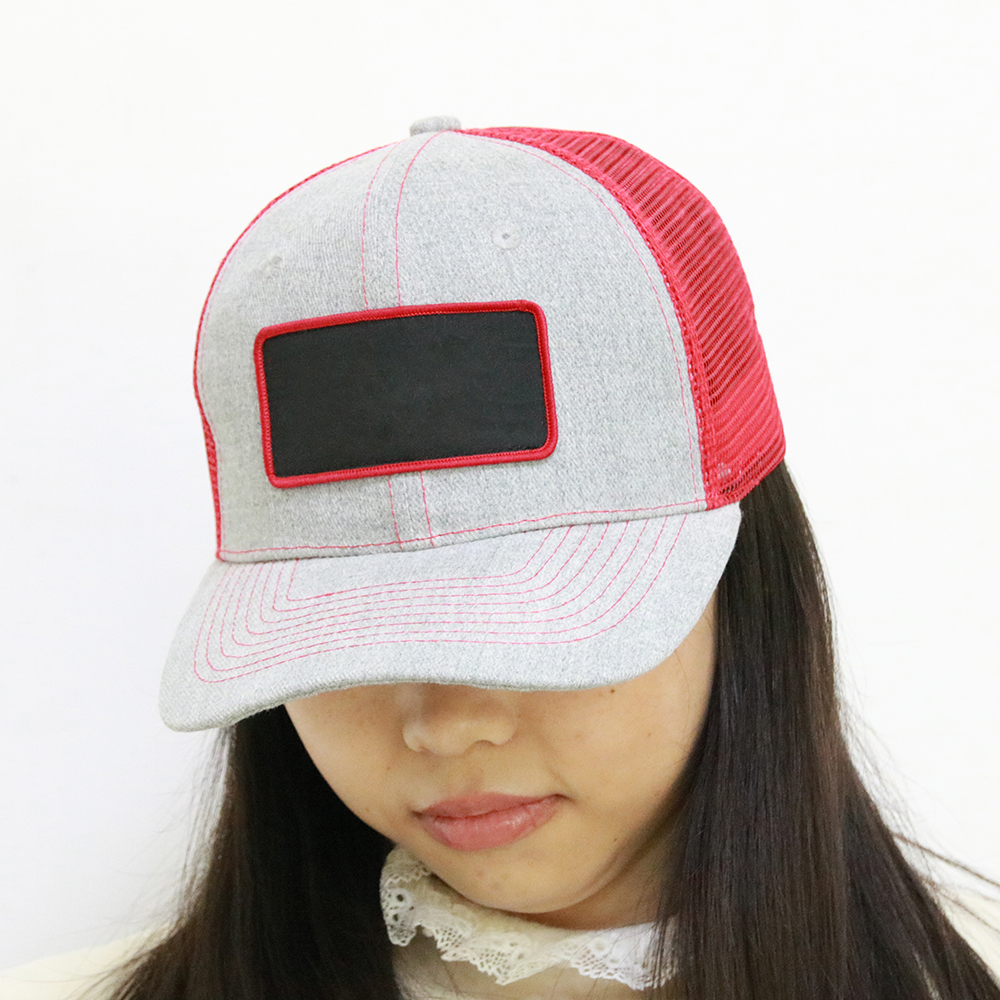
Simply put, a snapback leather patch hat is a fitted or adjustable cap with a flat brim, featuring a leather piece sewn on its front as a branding or decorative patch. This leather patch can be embossed, printed, or stitched with logos, brand names, or graphic designs — giving the hat a distinct, tactile charm. The snapback mechanism refers to the adjustable plastic snaps at the back, enabling a customizable fit.
Originally associated with sports and streetwear culture, these hats have migrated across industries—from promotional giveaways to artisan branded goods. Oddly enough, they also hint at a legacy of craftsmanship combined with casual wear, a blend that many buyers find appealing these days.
Core Components and What Makes Them Tick
1. Durability
The leather patch itself adds more than just style—it offers robustness. Good quality leather can last years, resisting common wear and tear better than fabric labels. The snapback design also ensures the hat fits various head sizes, significantly extending its usability.
2. Design Versatility
Leather patches are a blank canvas—different finishes, embossing styles, and printing techniques can be applied. This versatility lets brands experiment with limited editions or signature releases without changing the entire hat.
3. Branding Impact
Leather patches carry an air of premium-ness. Many marketers see this as an opportunity: place a logo on a leather patch, and the product instantly feels higher-end, increasing perceived value.
4. Cost Efficiency
While leather patches are slightly costlier than embroidered logos, they often allow for smaller print runs and customization with lower tooling costs. For many manufacturers, this balance makes snapback leather patch hats a sweet spot.
5. Sustainability Potential
As consumers care more about eco-impact, sourcing genuine or vegan leather responsibly becomes an important selling point. This demand nudges manufacturers toward greener supply chains.
Mini Takeaway:
Snapback leather patch hats aren’t just about looking good—they combine durability, branding flexibility, and a subtle sustainability angle that’s increasingly relevant worldwide.
Global Applications: Where and Who Uses Them Most?
Fashion, sports, hospitality, and even certain artisan markets have embraced these hats. If you visit street markets in Seoul, skate parks in California, or music festivals in Berlin, chances are you’ll spot snapback leather patch hats — they’re a universal design language.
In manufacturing and retail, these hats serve as practical merchandise items with strong shelf appeal. For instance, several brewing companies and coffee roasters in North America adopt leather patches imprinted with logos to appeal to craft-conscious consumers. In emerging markets like Southeast Asia, these hats represent affordable style but carry craftsmanship prestige due to the leather detail.
Real-World Case
A small apparel brand in Canada shared how incorporating custom leather patches on their snapbacks boosted their online sales by 40% within six months, partly due to customers appreciating the durability and unique look compared to plain caps.
Mini Takeaway:
The global appeal of these hats is more than fashion; it’s about utility, brand storytelling, and cultural resonance across regions.
Snapback Leather Patch Hats: Practical Specs at a Glance
| Specification | Details |
|---|---|
| Material (Crown) | 100% Cotton Twill |
| Brim | Flat, Pre-curved options |
| Leather Patch | Genuine vegetable-tanned leather (3mm thickness) |
| Adjustment | Plastic snapback closure, 7 notches |
| Embellishments | Embossing or debossing options on leather patch |
Vendor Comparison: Choosing Your Snapback Leather Patch Supplier
| Vendor | Quality | Customization | MOQ | Lead Time | Sustainability Initiative |
|---|---|---|---|---|---|
| Rongdong Caps | Premium leather & durable hats | Embossed, printed, dyed patches | 100 pcs | 15-20 days | Vegetable-tanned leather only |
| UrbanWear Co. | Standard quality leather | Limited patch options | 300 pcs | 18-25 days | No specific initiatives |
| CraftCaps Ltd. | Hand-stitched leather patches | Fully custom patches, embroidery | 150 pcs | 20-30 days | Use of eco-leathers and organic cotton |
The Many Advantages of Snapback Leather Patch Hats
- Longevity: The leather patch improves resistance to wear, outlasting many other label types.
- Upgraded Look: The premium vibe makes companies and artists comfortable charging more.
- Emotional Appeal: It’s tactile and authentic — wearers feel a connection to quality craftsmanship.
- Sustainability: Responsible sourcing can cut down environmental impact.
- Practicality: Adjustable sizing means fewer returns and better customer satisfaction.
And all that adds up to better brand loyalty, which we know in retail matters just as much as product quality.
Looking Ahead: Trends and Innovations on the Horizon
The reason these hats keep evolving is twofold: consumers crave fresh stories, and manufacturers constantly innovate. Here’s what I’m seeing:
- Eco-Friendly Alternatives: Vegan leather made from cork, pineapple leaves (Piñatex), or mushroom leather could redefine “leather patches” in the near future.
- Digital Personalization: Laser engraving on leather patches lets customers add names or icons on demand.
- Smart Labels: Embedded NFC chips in patches could tell the hat’s story or authenticate products.
Though these tech leaps might feel futuristic, they’re already piloted by boutique brands who want to disrupt the market.
Challenges and How to Tackle Them
Sure, leather patches ups the price a bit, and sourcing quality materials responsibly is never straightforward. Some makers wrestle with:
- Keeping costs low without sacrificing quality.
- Ensuring ethical leather sources, avoiding fast fashion traps.
- Managing longer production times due to intricate patch making.
Expert manufacturers recommend:
- Partnering directly with leather tanneries certified by ISO or FSC.
- Using vegetable-tanned or chromo-free leather to reduce toxins.
- Implementing lean manufacturing to cut waste and speed workflows.
FAQ: What You’re Asking About Snapback Leather Patch Hats
Q1: Are snapback leather patch hats comfortable for all-day wear?
A1: Yes, these hats are designed with adjustable snapback closures that allow for a perfect fit. The cotton twill fabric is breathable, and the leather patch adds minimal weight, so comfort isn’t sacrificed.
Q2: How can I care for my hat to keep the leather patch looking its best?
A2: Avoid soaking the leather patch. Spot clean the fabric with mild detergents, and condition the leather occasionally with appropriate leather oils to maintain its suppleness and prevent cracking.
Q3: Are snapback leather patch hats suitable for mass branding campaigns?
A3: Absolutely. Because leather patches can be customized in various ways, they provide a premium look for brand merchandise, often elevating campaign visibility and perceived quality.
Q4: Can I order snapback leather patch hats with low minimum quantity orders?
A4: Many vendors, including snapback leather patch hats manufacturers, offer MOQs starting around 100 pieces, enabling small to medium brands to access customized caps.
Q5: Is it possible to get vegan leather patches instead of genuine leather?
A5: Yes, several suppliers are adapting to demand for vegan leather patches crafted from sustainable materials like cork or apple leather, providing similar aesthetics and eco-friendliness.
Wrapping It Up: Why Snapback Leather Patch Hats Matter
At the end of the day, snapback leather patch hats do more than cover your head — they bridge style, functionality, and sustainability. Whether you’re a brand looking to make an impression, a retailer seeking durable merchandise, or a customer after authentic style, these hats deliver on multiple fronts.
For those intrigued or ready to explore quality options, don’t hesitate to visit our collection and see how these unique caps can elevate your lineup.
References:
- Grand View Research, "Hat Market Size & Trends Report", 2023.
- United Nations Environment Programme (UNEP), Textile Waste Facts, 2021.
- ISO Standards for Leather Tanning (ISO 17226-1), 2019.
-
Premium Custom Baseball Caps with Logos for Brand VisibilityNewsApr.16,2026
-
Elevate Your Brand with High Quality Custom Hats with My LogoNewsApr.09,2026
-
Elevate Your Brand with Stylish Custom Company Logo HatsNewsApr.07,2026
-
Elevate Your Brand with Stylish Custom Logo Hats and Promotional HeadwearNewsApr.04,2026
-
Discover the Versatility and Style of the Brown Baseball CapNewsMar.31,2026
-
Elevate Your Style with the Timeless Khaki Baseball HatNewsMar.28,2026
-
Discover the Versatility and Style of the Khaki Baseball CapNewsMar.26,2026