Quality Leather Patch Hats – Durable, Stylish & Customizable | Rongdong Caps
Leather Patch Hats: A Stylish Staple With Global Impact
Leather patch hats have quietly carved a niche worldwide, blending functionality with timeless fashion. But beyond their cool factor, these hats convey much more: tradition, craftsmanship, and a surprising sustainability story. Whether you're a casual wearer or a brand developer, understanding leather patch hats offers insights into materials, manufacturing innovations, and even market potential in diverse industries.
Why Leather Patch Hats Matter Globally
Globally, the leather goods market is estimated to exceed $600 billion as per recent industry reports, with fashion accessories like leather patch hats contributing a notable slice. However, it's not just about style. These hats respond to a growing demand for durable, customizable, and ethically sourced apparel, equipping outdoor enthusiasts, workers, and urban trendsetters alike.
On top of that, leather patch hats address consumer challenges in sustainability and longevity. According to the International Organization for Standardization (ISO), sustainable leather treatment processes are becoming standardized worldwide, ensuring these products meet environmental and quality benchmarks.1
But the challenge? Balancing authentic leather aesthetics with modern eco-friendly practices remains a puzzle for manufacturers and brands.
What Exactly Are Leather Patch Hats?
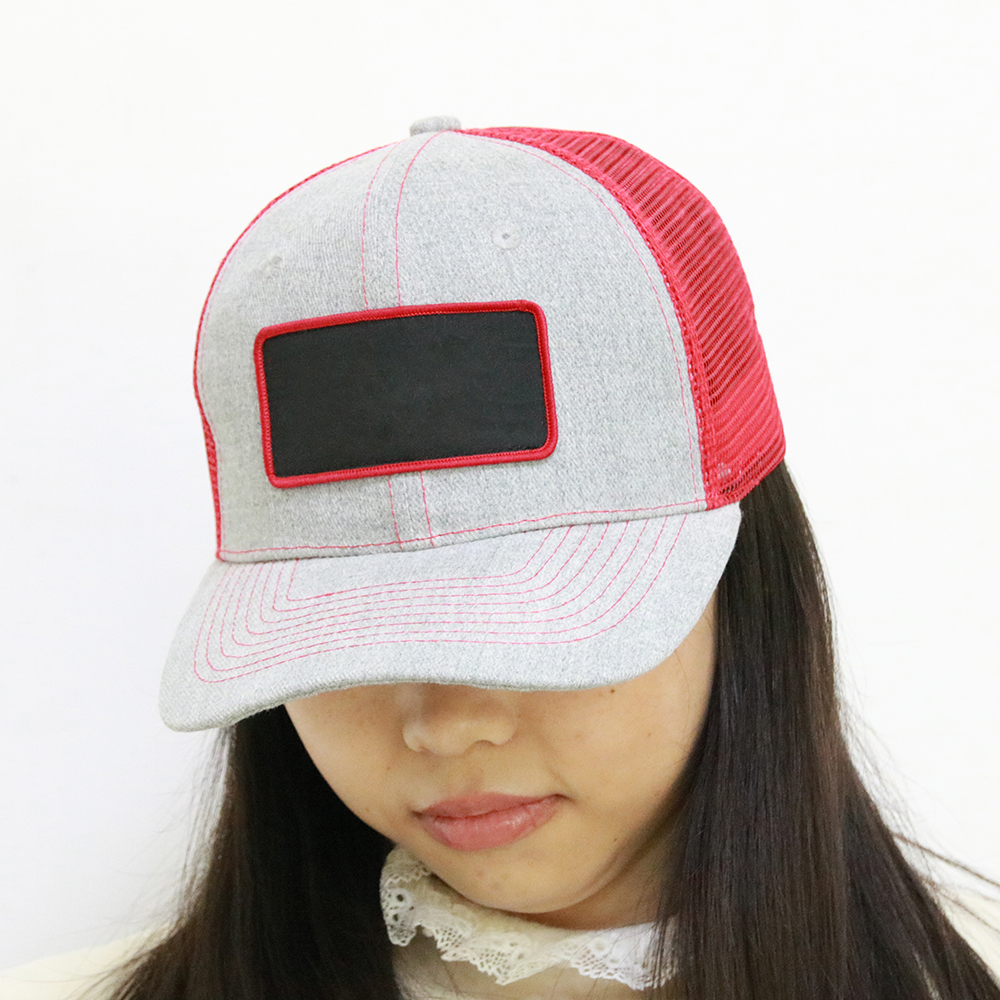
Simply put, leather patch hats are typically baseball or trucker-style caps featuring a small, sewn insert made from leather. This patch often carries a brand logo, a stylish motif, or functional messaging. The result? A blend of casual headwear with an elevated, rugged detail that sets it apart from plain fabric versions.
From an industrial perspective, these hats marry textile technologies with leather crafting techniques. This fusion supports not only aesthetic appeal but durability — leather patches resist wear and tear while adding a tactile, premium feel.
Mini Takeaway:
- Leather patch hats combine fashion and function globally.
- They reflect a wider trend toward sustainable and durable accessories.
Core Components That Define Quality Leather Patch Hats
Durability and Material Quality
This is often the headline factor. Genuine leather patches, depending on the type—be it full-grain, top-grain, or suede—can significantly impact a hat’s lifespan. Natural oils and tanning methods influence how the patch ages, often crafting a rich, unique patina over time that adds character.
Design Versatility and Personalization
The leather patch acts as a canvas. Brands leverage embossing, debossing, laser printing, or hand stamping to make each hat distinct. In fact, custom leather patches are a growing niche for organizations looking to evoke heritage or locality.
Comfort and Functionality
While leather is sturdy, integrating it into hats without compromising comfort takes craftsmanship. Lighter weight patches, strategic placement, and breathable hat fabric all play roles in making sure these hats are wearable for long stretches.
Production Sustainability
Increasingly, manufacturers adopt vegetable tanning and chrome-free leather processes to reduce environmental harm. Plus, sourcing scraps from other industries for patches reduces waste—a little design-savvy magic turning leftovers into style.
Cost Efficiency
Leather patch hats sit pricewise between premium fabric caps and fully leather hats. This middle ground offers brands an economical way to present quality without inflated costs.
Mini Takeaway:
- Durable leather patches upgrade simple hats effortlessly.
- Customization and sustainable production elevate brand value.
How Leather Patch Hats are Used Across the Globe
The story gets more interesting once you look at real-world applications. In North America and Europe, they’re popular with outdoor sports brands, representing ruggedness and nature connection. Meanwhile, Japanese streetwear integrates leather patch hats into clean, minimalistic looks, emphasizing craftsmanship.Leather patch hats also perform well as corporate giveaways or uniforms in industries needing both durability and style, such as hospitality or logistics.
In fact, relief efforts in rugged terrain have used hats with leather patches for team identification, blending durability with quick recognition. It may seem niche, but in places where weather is harsh, and branding is vital for coordination, these hats shine.
Advantages & Long-Term Value of Leather Patch Hats
While some brands chase fast fashion, leather patch hats offer something steadier: longevity and emotional connection. Buyers tend to cherish the gradual aging of the leather patch, providing a wearable story rather than disposable clothing.
From a cost perspective, durability means fewer replacements, roughly translating into savings over time. Environmentally, choosing hats with sustainably sourced leather patches helps reduce reliance on synthetic materials, supporting circular economy principles.2
Socially, brands leveraging local tanneries and craftspeople create community trust and narrative—factors often lost in mass production. Plus, the tactile quality enhances perceived value, an intangible but critical factor.
Leather Patch Hats: A Quick Specification Table
| Specification | Typical Range / Features |
|---|---|
| Leather Type | Full-grain, Top-grain, Suede |
| Hat Styles | Baseball, Trucker, Snapback, Dad Hats |
| Patch Size | 2–4 inches wide |
| Customization | Embossing, Laser Etching, Printing |
| Hat Fabric | Cotton Twill, Mesh, Canvas |
| Sustainability | Vegetable tanned leather, Waste leather usage |
How Do Key Vendors Stack Up?
| Vendor | Customization Options | Sustainability Practices | Price Range (USD) | Turnaround Time |
|---|---|---|---|---|
| Rongdong Caps | Embossing, Laser Printing, Patch Shapes | Vegetable tanning, Recycled materials | $8–$15 / hat | 2–3 weeks |
| LeatherCraft Co. | Hand-stamping, Color Variations | Limited eco-friendly certifications | $12–$20 / hat | 3–4 weeks |
| Urban Stitch | Digital Printing, Fast Prototyping | Partial recycling, Synthetic blends | $7–$13 / hat | 1–2 weeks |
Future Trends in Leather Patch Hats
Looking ahead, the leather patch hat landscape is embracing green energy in tanning, experimentation with vegan leather alternatives, and digital customization platforms allowing customers to preview patches online before ordering. Automation in stitching and patch application also promises faster turnarounds without losing craftsmanship.
Oddly enough, the vintage market’s hunger for patina-worn leather has nudged brands to design “pre-aged” patches, blending old-world charm with modern technology. Personalization tech enhances direct-to-consumer sales, so expect hats finely tailored not just in size but with messages and logos laser-etched with surgical precision.
Challenges and How They’re Overcome
Leather sourcing and tanning remain stumbling blocks, especially in balancing ethical labor, animal welfare concerns, and environmental impact. Manufacturers navigate these by partnering with certified tanneries and innovating with plant-based dyes and waterless tanning.
Another hiccup is hat comfort: leather patches might feel stiff or warm in hot climates. Design adaptations such as perforated patches and lighter leather grades help mitigate this. Lastly, quality control poses frequent challenges—patches must withstand washing and wear without peeling or cracking. Tech advances like reinforced stitching and bonding adhesives improve durability.
FAQs About Leather Patch Hats
- What makes leather patch hats different from regular caps?
- Leather patch hats feature a distinct sewn-on leather portion offering durability, a premium look, and customization opportunities that fabric-only hats typically lack.
- How sustainable are leather patch hats?
- Many producers now use vegetable-tanned or leftover leather scraps, reducing environmental footprint. However, sustainability depends on the supply chain quality and tanning methods employed.
- Can leather patch hats be customized for corporate branding?
- Absolutely. Techniques like embossing, laser etching, and hand stamping allow brands to incorporate logos or messages uniquely.
- Are leather patch hats comfortable in hot weather?
- Modern designs address this with breathable fabrics and perforated patches to keep wearers cool, but genuine leather patches can feel warmer than fabric-only hats.
- How should I care for my leather patch hat?
- Spot clean the hat fabric and condition the leather patch periodically with a suitable leather conditioner to maintain suppleness and appearance.
Wrapping Up: Why Leather Patch Hats Are Here to Stay
In real terms, leather patch hats straddle that sweet spot between rugged utility and sophisticated style. Their global appeal is no fluke. As industries, towns, outdoor lovers, and artists find uses for this hybrid accessory, the hats carry legacies of craftsmanship and innovation forward.
If you’re interested in exploring the best quality leather patch hats or custom orders, I recommend visiting our website. It’s where tradition meets modern design, and frankly, a place worth browsing.
References
-
Premium Custom Baseball Caps with Logos for Brand VisibilityNewsApr.16,2026
-
Elevate Your Brand with High Quality Custom Hats with My LogoNewsApr.09,2026
-
Elevate Your Brand with Stylish Custom Company Logo HatsNewsApr.07,2026
-
Elevate Your Brand with Stylish Custom Logo Hats and Promotional HeadwearNewsApr.04,2026
-
Discover the Versatility and Style of the Brown Baseball CapNewsMar.31,2026
-
Elevate Your Style with the Timeless Khaki Baseball HatNewsMar.28,2026
-
Discover the Versatility and Style of the Khaki Baseball CapNewsMar.26,2026