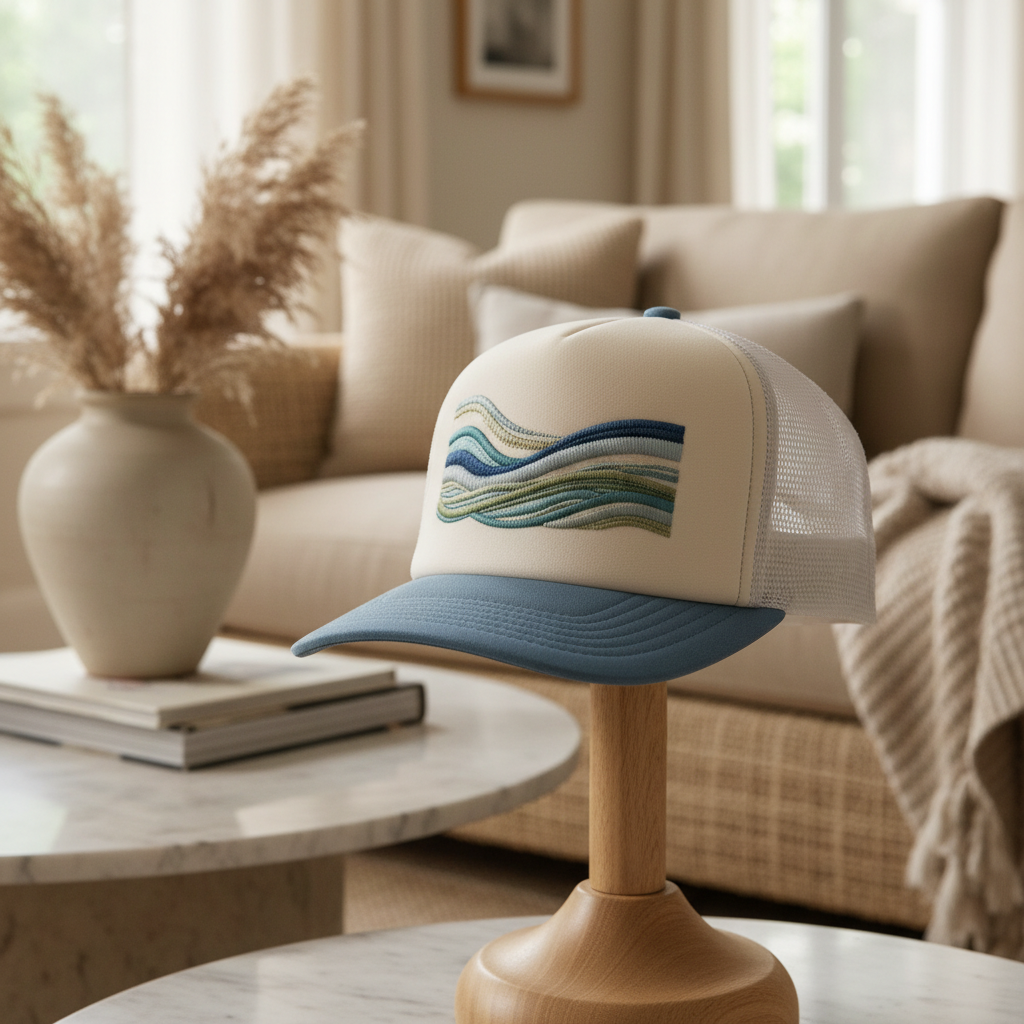
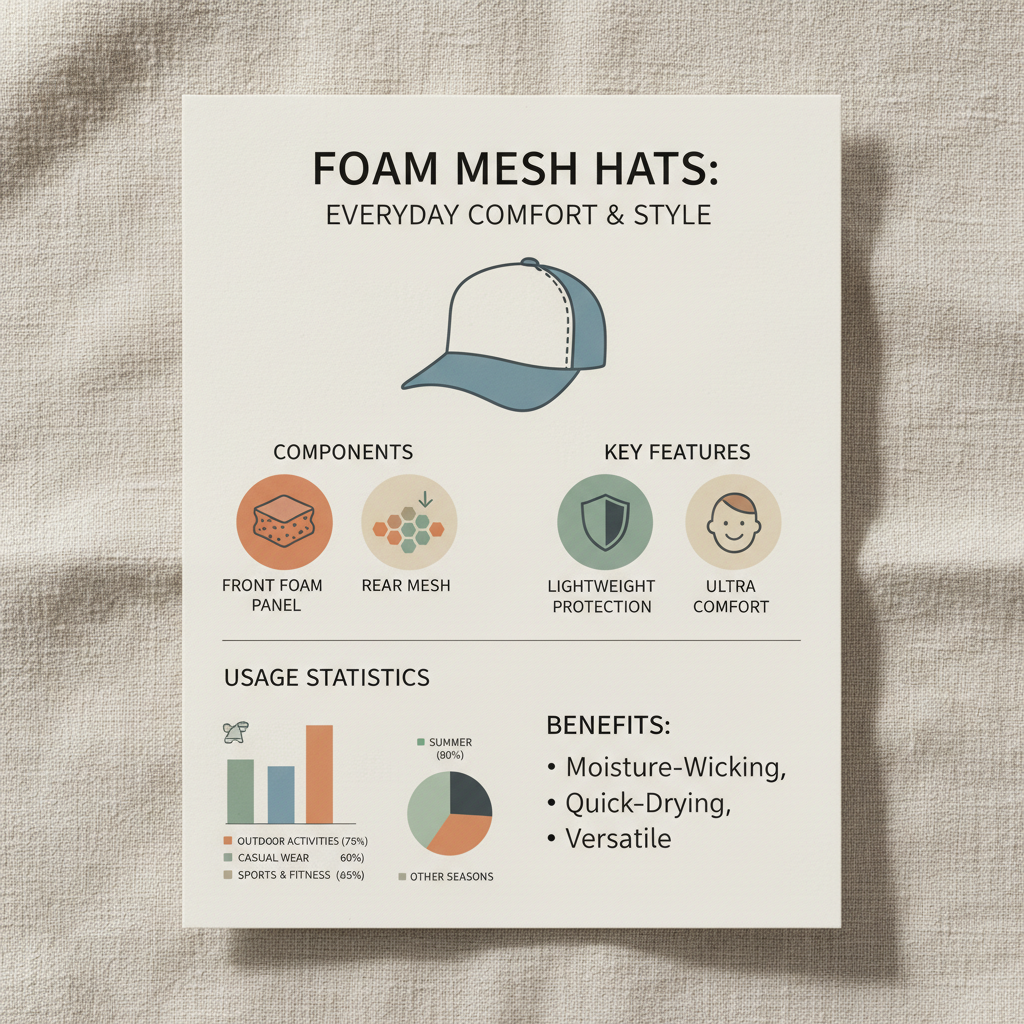
The foam mesh hat has emerged as a quintessential accessory in the global headwear market, blending structural integrity with unparalleled breathability. By integrating a supportive foam front panel with a ventilated mesh rear, these hats provide a unique combination of shape retention and thermal regulation, making them indispensable for outdoor activities and promotional branding.
Understanding the technical composition of a foam mesh hat is crucial for businesses and consumers alike, as it dictates the garment's longevity, comfort, and aesthetic appeal. From the selection of high-density polyurethane foam to the weave density of the polyester mesh, every detail contributes to a product that can withstand harsh environments while maintaining a professional look.
In a world where functional fashion is increasingly prioritized, the foam mesh hat serves as a bridge between industrial utility and streetwear style. Whether utilized as a high-visibility safety item or a trendy piece of merchandise, its versatility continues to drive demand across diverse demographic segments globally.
Global Market Relevance of Foam Mesh Hats
On a global scale, the demand for the foam mesh hat is driven by the growth of the promotional products industry and the rising popularity of outdoor leisure. According to textile industry trends, headwear that offers both customization potential and climate adaptation sees a steady CAGR, as companies seek cost-effective yet durable ways to maintain brand visibility.
The primary challenge addressed by this design is the balance between structure and ventilation. Traditional solid-crown hats often trap heat, leading to discomfort in tropical or high-intensity work environments. The foam mesh hat solves this by utilizing a porous rear structure that allows heat to escape while the foam front ensures the logo remains prominent and undistorted.
Defining the Technical Structure of Foam Mesh Hats
A foam mesh hat is a specialized headwear item characterized by a front panel made of polyurethane foam laminated to a fabric exterior, paired with side and back panels constructed from a breathable plastic or polyester mesh. This hybrid construction allows the hat to maintain a high-profile "trucker" silhouette without the weight of heavy canvases.
From a manufacturing perspective, the "foam" element acts as a cushioning layer that provides a smooth surface for screen printing or heat transfers, preventing the "grainy" look often found in standard cotton twill. The "mesh" element is engineered for maximum airflow, reducing moisture buildup on the scalp, which is essential for hygiene and comfort during prolonged wear.
In modern industry, this design is more than just a fashion statement; it serves humanitarian and professional needs by providing affordable, lightweight protection from solar radiation. Its ability to be produced in massive quantities while maintaining quality control makes it a staple for international NGOs and corporate events.
Core Components and Quality Factors
The durability of a foam mesh hat depends heavily on the bond between the foam core and the outer shell. High-quality adhesives ensure that the fabric does not peel or bubble over time, especially when exposed to repeated washing or extreme temperature fluctuations.
Scalability in production is another key factor; because the foam mesh hat utilizes standardized components, manufacturers can rapidly scale output for global campaigns. This efficiency is coupled with cost-effectiveness, as the materials used are lightweight, reducing shipping costs for bulk international orders.
Finally, the closure system—whether it be a plastic snapback, a Velcro strap, or a fabric tie—determines the hat's versatility. A precision-engineered snapback ensures a "one size fits most" approach, which is critical for promotional distribution where exact head measurements are unavailable.
Performance Analysis and Material Efficiency
Evaluating the effectiveness of a foam mesh hat requires looking at its performance across different environments. In high-humidity regions, the mesh panels drastically reduce the risk of heatstroke compared to full-fabric caps. Meanwhile, the foam front provides a necessary barrier against direct sunlight for the forehead and eyes.
The efficiency of these materials is best observed when comparing them to traditional baseball caps. While cotton is breathable, it loses shape when wet; however, the synthetic nature of the foam and mesh ensures that the hat retains its structural integrity even after exposure to rain or perspiration.
Comparative Performance Metrics of Foam Mesh Hat Variants
Global Applications and Industrial Use Cases
The foam mesh hat is widely applied in diverse sectors, ranging from agriculture to sports marketing. In remote industrial zones, such as mining or construction sites, these hats are often branded with company logos and used as part of the daily uniform to protect workers from the sun while ensuring their heads remain cool.
Furthermore, in the realm of promotional events and festivals, the foam mesh hat is a favorite due to its high visibility and low unit cost. Organizations in North America and Europe frequently use them for large-scale outdoor rallies, where the hats serve as both a functional accessory and a walking billboard for the sponsor.
Long-Term Value and Sustainable Advantages
Investing in high-quality foam mesh hats provides tangible long-term value through brand consistency and user satisfaction. When a company provides a hat that is comfortable and durable, the recipient is more likely to wear it frequently, thereby increasing the "impressions" per dollar spent on marketing.
From a logical standpoint, the reliability of the materials means fewer replacements and less waste. The emotional angle is equally important; a well-made hat provides a sense of professionalism and belonging for team members, enhancing trust between the employer and the employee in rugged work environments.
Sustainability is also becoming a focal point. By transitioning to recycled polyester for the mesh and bio-based foams for the front panel, manufacturers are reducing the carbon footprint of the foam mesh hat, ensuring that the product meets modern ESG (Environmental, Social, and Governance) standards.
Future Innovations in Headwear Manufacturing
The future of the foam mesh hat lies in the intersection of material science and digital customization. We are seeing the rise of 3D-printed foam structures that can be tailored to individual head shapes, providing a custom fit that was previously impossible in mass production.
Digital transformation is also streamlining the supply chain. Automated laser-cutting for the mesh panels reduces fabric waste by up to 15%, while AI-driven demand forecasting allows manufacturers to optimize inventory levels, reducing overproduction and ensuring faster delivery times to global clients.
Moreover, the integration of "smart fabrics" into the mesh—such as moisture-wicking nano-coatings or UV-reflective threads—will further enhance the protective capabilities of the hat, transforming it from a simple accessory into a piece of performance gear.
Analysis of Future Foam Mesh Hat Material Evolutions
| Innovation Type |
Material Change |
Primary Benefit |
Impact Score (1-10) |
| Eco-Friendly |
Recycled PET Mesh |
Carbon Reduction |
9 |
| Performance |
Silver-Ion Mesh |
Anti-Odor / Hygiene |
7 |
| Structural |
Memory Foam Core |
Enhanced Comfort |
8 |
| Protection |
Teflon Coating |
Water Repellency |
6 |
| Customization |
Sublimation Fabric |
Infinite Color Palette |
10 |
| Weight |
Aerospace Mesh |
Ultra-Lightweight |
7 |
FAQS
The primary advantage is the integrated ventilation. While traditional caps are made entirely of fabric, the foam mesh hat features a breathable mesh rear that allows hot air to escape and promotes airflow to the scalp. Additionally, the foam front maintains its structure better than cotton in humid conditions, preventing the hat from sagging while providing a superior surface for vibrant promotional logos.
To maintain the integrity of the foam core, avoid machine washing and high-heat drying. The best method is spot cleaning with a damp cloth and a mild detergent. If a deeper clean is needed, hand wash in cool water and air dry in a shaded area. Avoid wringing the front panel, as this can distort the foam and cause the fabric to detach from the core.
Yes, but with caution. While the foam provides a stable base, overly dense embroidery can sometimes "sink" into the foam or cause the fabric to pucker. For the best results, we recommend using a combination of foam-backed embroidery (3D puff) or high-quality screen printing, which utilizes the smooth surface of the foam to create sharp, professional designs without compromising the hat's structure.
Absolutely. The foam mesh hat is widely used in construction and agriculture because it balances sun protection with thermal regulation. Its lightweight nature reduces fatigue during long shifts, and the mesh prevents overheating. For industrial use, we recommend choosing a high-density foam and reinforced mesh to ensure the hat withstands the rigors of daily outdoor labor.
Yes, modern manufacturing allows for the use of recycled polyester (rPET) for the mesh panels and biodegradable or recycled foams for the front. These sustainable alternatives offer the same durability and aesthetic appeal as traditional materials while significantly reducing environmental impact, making them ideal for brands committed to sustainability goals.
The snapback closure is designed for maximum versatility, allowing the foam mesh hat to fit a wide range of head sizes. By adjusting the plastic tabs, users can secure the hat snugly or wear it loosely for a more relaxed fit. This "one size fits most" design is why these hats are the industry standard for promotional giveaways and large-scale corporate orders.
Conclusion
The foam mesh hat represents a perfect synergy of utility and style, solving the age-old conflict between head protection and breathability. Through the use of strategic materials—high-density foam for structure and porous mesh for ventilation—it has solidified its place as a global leader in both the promotional and industrial headwear markets.
Looking ahead, the transition toward sustainable materials and smart manufacturing will only increase the value of these garments. For businesses seeking to enhance their brand visibility or organizations aiming to provide functional gear for their teams, the foam mesh hat remains an unmatched choice for durability and comfort. Visit our website for more information: www.sjzrongdongcap.com