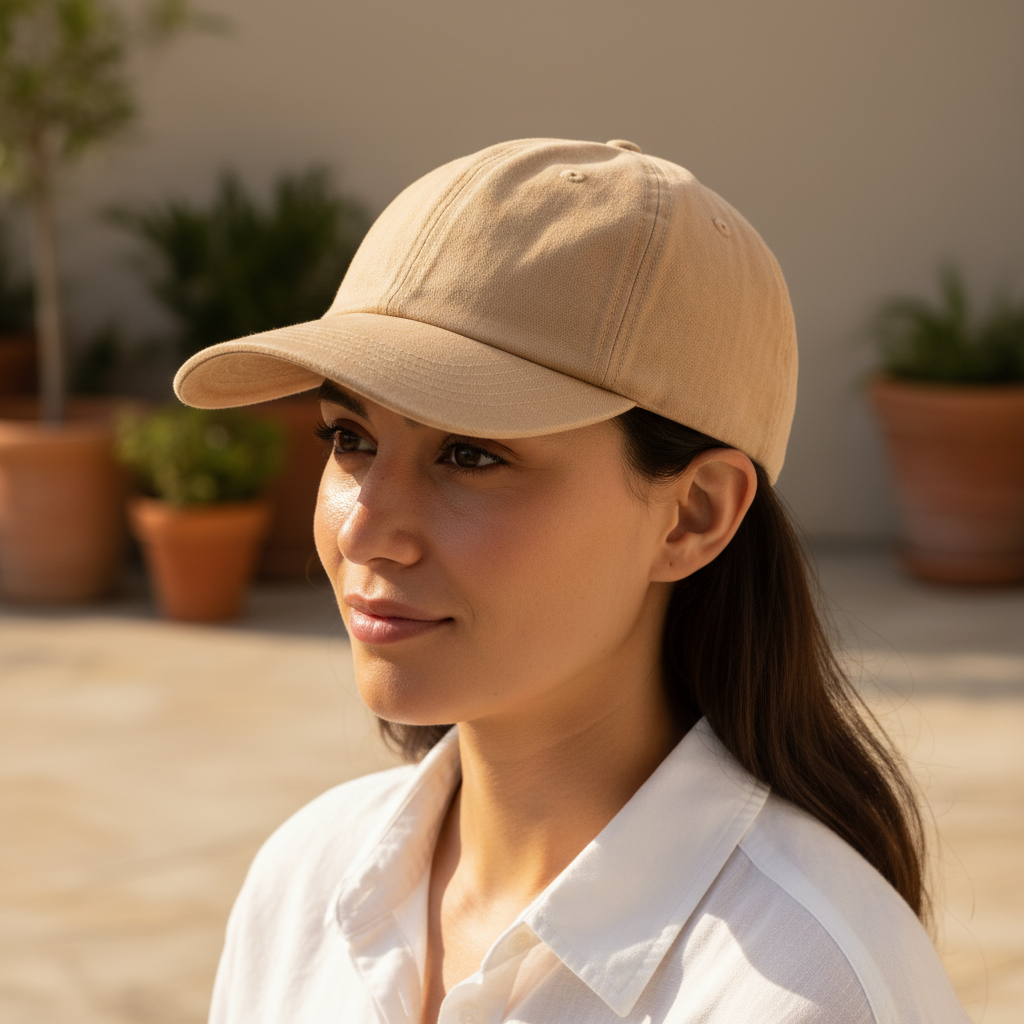
The 4 panel cap represents a sophisticated blend of minimalist design and structural efficiency in the headwear industry. Unlike traditional multi-panel constructions, this specific architecture streamlines the crown, offering a sleek silhouette that appeals to both high-fashion brands and practical utility seekers globally. Understanding the nuances of this design is essential for procurement managers and fashion designers aiming to balance cost-effective production with a premium aesthetic.
In the competitive landscape of woven garment manufacturing, the adoption of the 4 panel cap has surged due to its versatility across various demographics. From corporate promotional wear to street-style accessories, the reduced seam count minimizes potential points of failure while maximizing the surface area for branding and embroidery. This makes it a strategic choice for companies looking to optimize their supply chain without compromising on the end-user's visual experience.
Ultimately, the global demand for specialized headwear highlights a shift toward "functional minimalism." By focusing on the geometric precision of the 4 panel cap, manufacturers can reduce fabric waste and assembly time, contributing to a more sustainable production cycle. This guide explores the technical specifications, market applications, and future trajectories of this essential garment piece.
The Structural Engineering of 4 Panel Caps
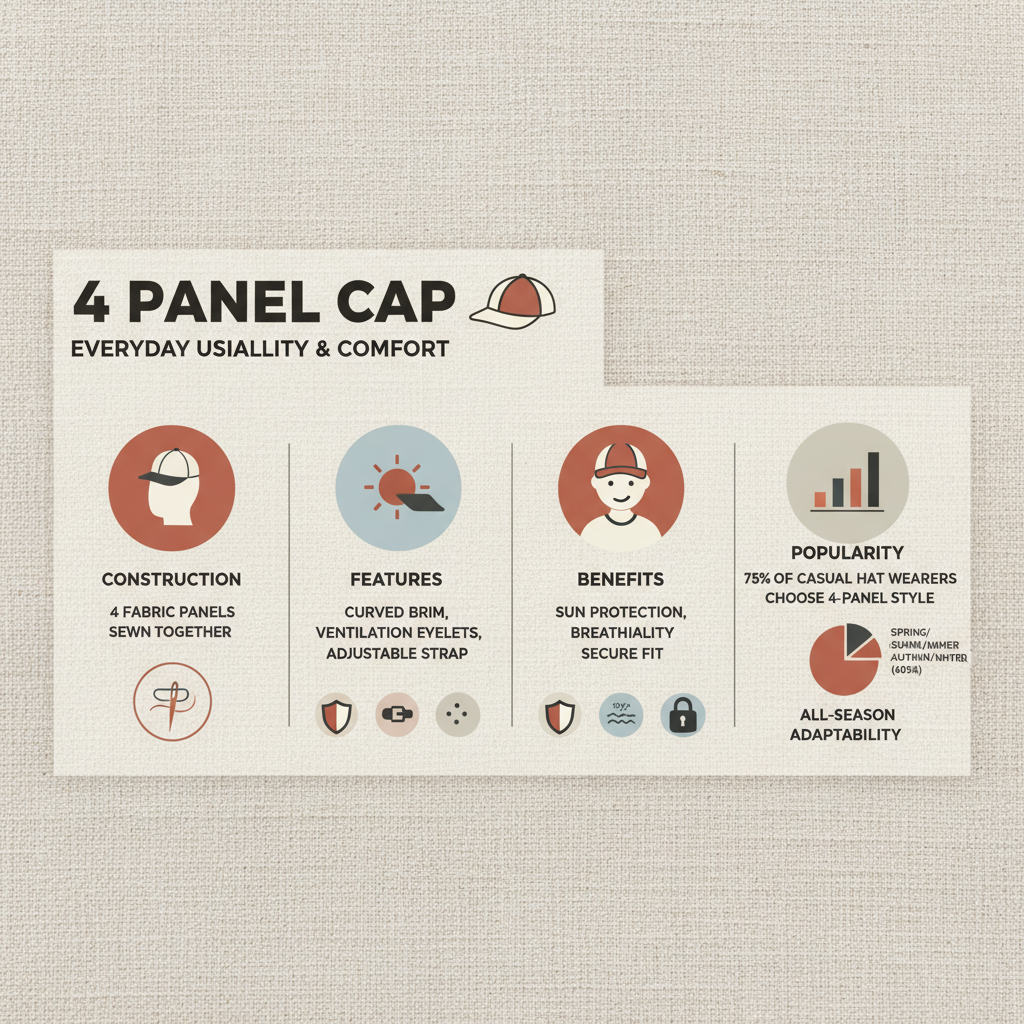
The core of a 4 panel cap lies in its geometric simplicity. Unlike the standard six-panel baseball cap, the four-panel construction utilizes larger fabric sections to create the crown. This reduction in seams not only provides a cleaner, more modern look but also significantly reduces the labor time required for stitching, making it an attractive option for high-volume manufacturing.
From a technical perspective, the tension distribution across a 4 panel cap is different from more complex designs. The wider panels allow for a more natural drape over the head, provided the pattern cutting is precise. This structural approach is particularly beneficial when working with stiffer fabrics or heavy-duty canvases, as fewer seams mean fewer "bulk points" that can cause discomfort for the wearer.
Global Market Demand and Industrial Relevance
In the current global apparel market, the 4 panel cap has transitioned from a niche utilitarian item to a mainstream fashion staple. Data from textile trade indices suggest that minimalist headwear is seeing a CAGR (Compound Annual Growth Rate) increase as consumers pivot toward "quiet luxury" and versatile, unbranded aesthetics. This trend is particularly evident in North American and European markets where the "camp cap" style—a derivative of the 4 panel design—has become a symbol of urban outdoor culture.
However, the industry faces a significant challenge: balancing the speed of fast-fashion cycles with the demand for quality. Many low-cost iterations of these caps suffer from poor crown symmetry, leading to an "unbalanced" look. For professional manufacturers, the solution lies in implementing precision CAD (Computer-Aided Design) patterns that ensure each panel is mirrored perfectly, maintaining the integrity of the silhouette across all size runs.
Furthermore, the rise of corporate social responsibility (CSR) is pushing manufacturers to rethink the production of the 4 panel cap. By utilizing fewer panels, factories can theoretically reduce off-cut fabric waste by 10-15% compared to 6-panel designs. This efficiency aligns with ISO 14001 environmental management standards, making the 4-panel architecture not just a stylistic choice, but an ecological one.
Material Selection for Maximum Durability
Choosing the right fabric is critical for the performance of a 4 panel cap. For outdoor and athletic use, ripstop nylon and polyester blends are preferred due to their moisture-wicking properties and resistance to abrasion. The larger surface area of the panels means that any fabric flaw is more visible, necessitating a higher grade of textile inspection.
For premium lifestyle lines, heavy-weight cotton twill or organic linens are often employed to give the 4 panel cap a structured, architectural feel. The key is to match the fabric's GSM (Grams per Square Meter) with the intended use; a higher GSM provides a crisp shape, while a lower GSM offers the flexibility required for foldable, travel-friendly headwear.
Beyond the outer shell, the internal sweatband and lining play a pivotal role in the cap's longevity. Using antimicrobial treated bands in a 4 panel cap ensures that the garment remains hygienic over long periods of wear, while a structured buckram insert in the front panels can prevent the cap from collapsing, maintaining its professional appearance.
Manufacturing Efficiency and Cost Analysis
The economic advantage of producing a 4 panel cap is primarily found in the reduction of "sewing minutes." In a standard assembly line, each seam represents a point of time expenditure and a potential quality risk. By eliminating two of the radial seams found in traditional caps, manufacturers can increase their hourly output significantly, reducing the unit labor cost.
Moreover, the simplified construction allows for easier integration of automated sewing machinery. Programmable stitching patterns can be applied more consistently to four larger panels than to six smaller ones, resulting in a lower defect rate and a more uniform product across massive order quantities.
Production Efficiency Comparison for 4 Panel Cap Styles
Diverse Application Scenarios in Modern Retail
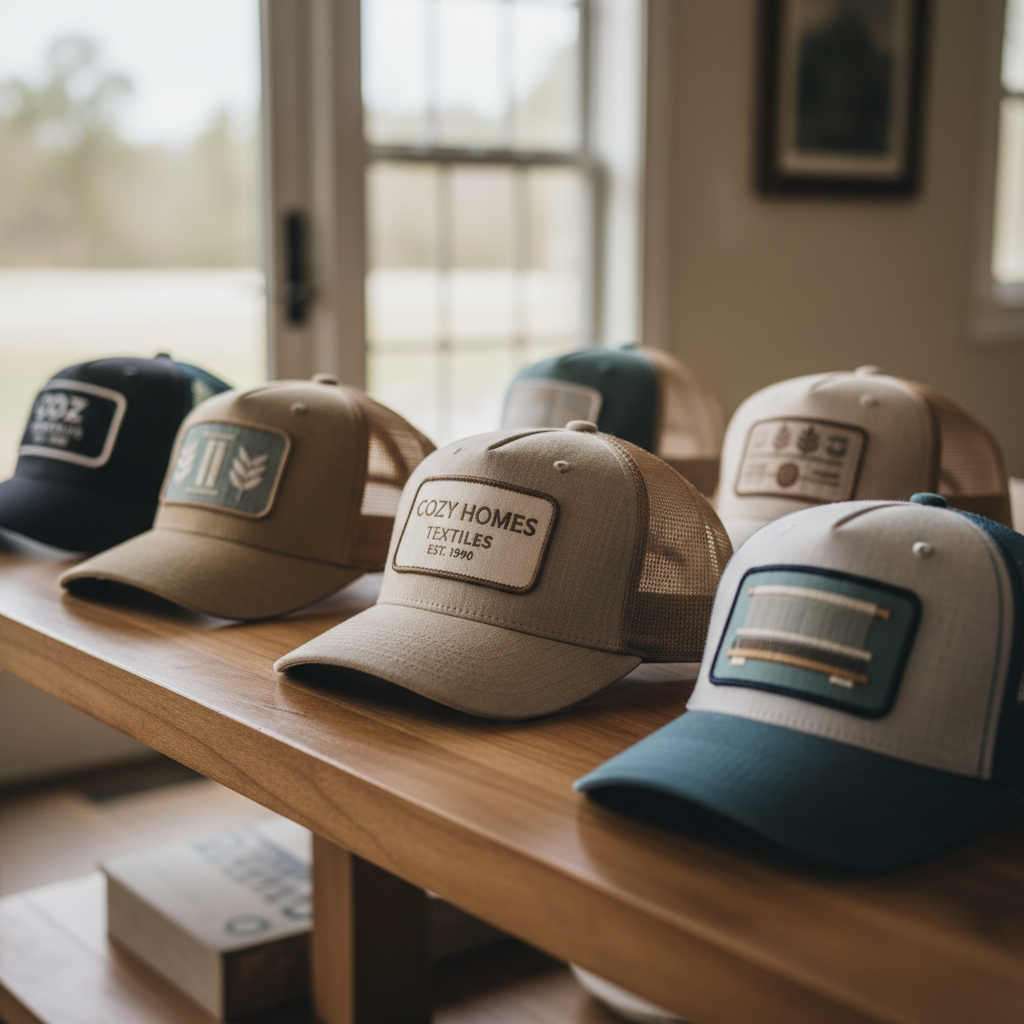
The application of the 4 panel cap spans across several high-growth sectors. In the promotional industry, these caps are favored for their clean front panels, providing an unobstructed canvas for large-scale screen printing or 3D embroidery. This makes them ideal for event merchandise, where brand visibility is the primary objective.
In the realm of technical apparel, the 4-panel design is frequently adapted for "lifestyle-performance" gear. For instance, cycling and hiking brands utilize lightweight, water-repellent fabrics in a 4 panel cap configuration to provide sun protection while minimizing the bulk that usually interferes with helmets or backpacks.
Quality Control Standards in Headwear Production
Maintaining the quality of a 4 panel cap requires a rigorous multi-stage inspection process. The most critical check occurs after the panels are cut but before they are joined; any slight variance in the curvature of the panels will lead to a skewed crown. Quality control teams use precision templates to ensure symmetry, as the 4-panel design is less forgiving of errors than multi-panel designs.
Stitch density is another key metric. For a professional finish, a minimum of 10-12 stitches per inch (SPI) is recommended for the main seams. This prevents "seam grin"—where the threads become visible when the fabric is stretched—and ensures that the cap can withstand the daily wear and tear associated with active use.
Finally, the attachment of the bill (visor) must be perfectly centered. In a 4 panel cap, the front panel acts as the anchor; any misalignment here will be magnified across the rest of the crown. Using reinforced stitching and high-density plastic inserts in the bill ensures the cap retains its shape over years of use.
Future Innovations in Sustainable Headwear
The future of the 4 panel cap is inextricably linked to the "Green Revolution" in textiles. We are seeing a transition toward recycled ocean plastics (rPET) and hemp-based fabrics, which offer natural antimicrobial properties and a significantly lower carbon footprint. The simplified 4-panel construction is perfectly suited for these new materials, which can sometimes be more difficult to sew into complex shapes.
Digital transformation is also playing a role. 3D knitting technology is beginning to allow for "seamless" panel creation, which could eventually eliminate the need for traditional sewing altogether. Imagine a 4 panel cap knitted as a single piece of fabric, tailored exactly to a customer's head measurements via a mobile scan.
Additionally, the integration of "smart textiles" is on the horizon. We anticipate the inclusion of UV-sensitive dyes that change color to alert the wearer of high sun exposure, or integrated conductive threads for wearable tech, all housed within the streamlined architecture of the 4 panel cap.
Comparison of Sustainable Material Impacts on 4 Panel Cap Production
|
Material Type
|
Eco-Impact Score (1-10)
|
Durability Rating
|
Production Cost
|
| Recycled Polyester |
9 |
High |
Moderate |
| Organic Cotton |
8 |
Medium |
Moderate |
| Industrial Hemp |
10 |
Very High |
High |
| Bamboo Fiber |
7 |
Low-Medium |
Low |
| Piñatex (Pineapple) |
9 |
Medium |
Very High |
| Recycled Nylon |
8 |
High |
Moderate |
FAQS
The primary difference is the construction of the crown. A 4 panel cap uses four larger pieces of fabric, resulting in fewer seams and a lower profile, whereas a 6 panel cap uses six smaller sections, creating a more rounded, structured crown. The 4 panel version is generally considered more minimalist and is often faster to produce.
For durability, high-density cotton twill, ripstop nylon, or heavy canvas are ideal. These materials resist tearing and maintain the cap's shape over time. If the cap is intended for athletic use, moisture-wicking polyester blends are recommended to ensure longevity and comfort during perspiration.
Yes, typically. Because it requires fewer sewing steps and less labor per unit, the 4 panel cap is often more economical to manufacture in large volumes. Additionally, the larger seamless areas make it easier and faster to apply large logos via screen printing or heat transfer.
The best way to ensure versatility is by adding an adjustable closure, such as a plastic snapback, a metal buckle, or a velcro strap. Since the 4 panel structure is naturally more flexible than a reinforced 6 panel cap, these adjustments allow the user to find a comfortable, secure fit across various head shapes.
Absolutely. Many modern manufacturers use rPET (recycled polyester), organic cotton, or hemp to create sustainable 4 panel caps. Due to the simplified construction, these caps also generate less fabric waste during the cutting process, further reducing their overall environmental impact.
To maintain the structural integrity, we recommend hand washing with mild detergent and air drying. Avoid putting the cap in a tumble dryer, as high heat can warp the bill and shrink the panels. If the cap is made of structured cotton, a light steam can help restore the original crown shape.
Conclusion
The 4 panel cap stands as a testament to the power of efficient design in the textile industry. By optimizing the balance between aesthetic minimalism and manufacturing practicality, it provides an ideal solution for brands seeking a versatile, sustainable, and cost-effective headwear option. From its streamlined structural engineering to its adaptability across various high-performance materials, the 4-panel architecture addresses the modern consumer's demand for both style and functionality.
Looking forward, the integration of smart materials and automated production will only enhance the value proposition of this design. For businesses aiming to scale their apparel lines while minimizing environmental impact, investing in the 4 panel construction is a strategic move toward a more sustainable future. We invite you to explore the possibilities of custom headwear by visiting our website: www.sjzrongdongcap.com