Discover the Essentials of a Top Trucker Hat Factory – Global Insights & Trends
The Global Pulse: Why Understanding the Trucker Hat Factory Matters
At first glance, a trucker hat factory might sound niche, or simply like another manufacturing term tossed around in fashion circles. But take a step back, and it’s clear: this slice of the apparel industry holds global significance. These facilities aren’t just cranking out caps; they represent a blend of modern supply chain efficiency, local economic impact, and sustainability shifts that ripple worldwide.
Why does this matter?
- Trucker hats reflect changing consumer tastes and must meet tight delivery demands.
- Factories influence regional employment in developing countries.
- Understanding production nuances can reveal broader trends in supply chain resilience.
So, let’s peel back the mesh panel and dig deeper into what a trucker hat factory really entails.
Introduction: Trucker Hat Factories in a Global Context
Fashion globalization is staggering. According to the World Bank, the global apparel market is worth over $1.5 trillion, and among its fast-growing segments is headwear including trucker hats — a style that surged since the 1970s but recently saw a massive revival in youth and urban culture worldwide.
Meanwhile, developing regions with growing textile infrastructure — often in Asia and Latin America — serve as hotbeds for trucker hat production. Yet these factories face challenges:
- Pressure to reduce costs while maintaining quality.
- Environmental regulations tightening.
- Supply chains disrupted by geopolitical shifts or pandemics.
Understanding the bridge between consumer demand and factory capabilities is crucial for brands, investors, and governments navigating this dynamic.
What Exactly Is a Trucker Hat Factory?
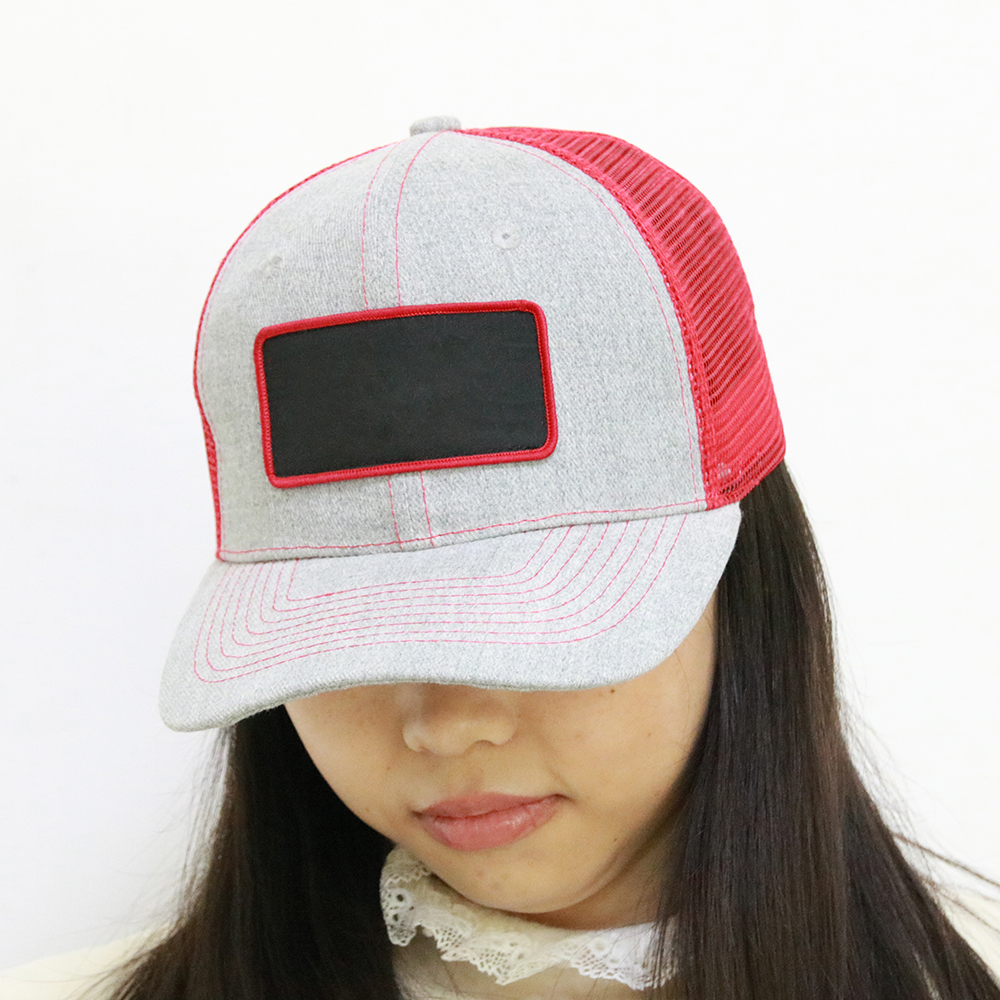
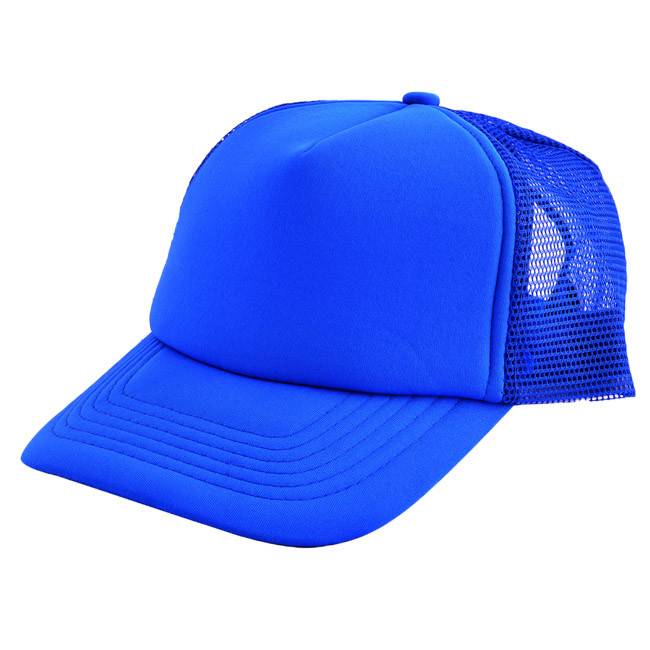
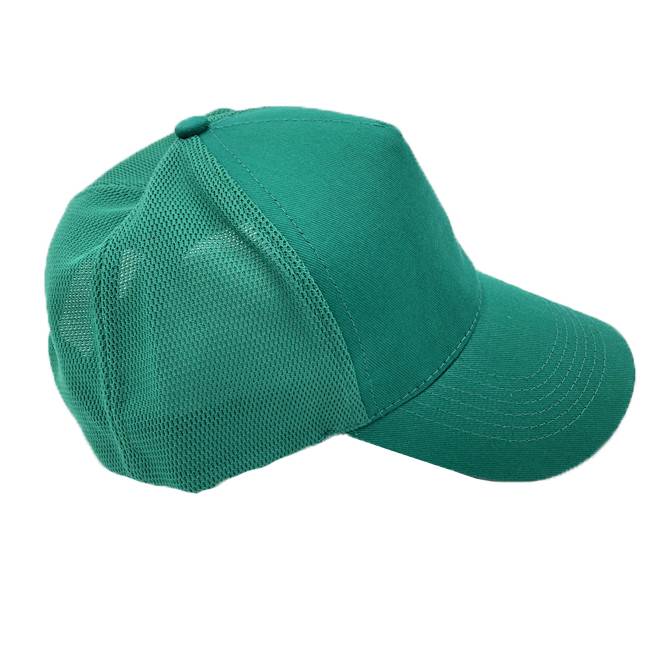
Simply put, a trucker hat factory is a manufacturing facility specializing in producing trucker caps — characterized by their mesh back panels, adjustable snap closures, and foam or cotton fronts usually adorned with logos or designs. These hats started as practical gear for American truck drivers, designed to be breathable and affordable. Nowadays, they’re street-style icons.
From an industrial standpoint, these factories integrate:
- Material sourcing, including plastics for mesh and textiles for caps.
- Cutting, stitching, and assembly lines.
- Printing and embroidery stations.
- Quality assurance and packaging.
Behind every stylish cap in a store, countless processes are synchronized — worker skills, machinery, and management all play a role.
Core Components That Define a Top Trucker Hat Factory
1. Material Quality and Sourcing
The raw materials, often polypropylene mesh and cotton blends, dictate durability and comfort. Good factories partner directly with suppliers, sometimes even innovating with eco-friendly fibers, a trend that’s picking up fast.
2. Production Scalability
Can a factory handle sudden spikes in orders? The best are flexible, adjusting manpower and workflow without losing efficiency. It’s one thing to make 5,000 hats, another to ramp up to 50,000 within a month.
3. Cost Efficiency
Margins are thin in apparel. Smart operations optimize labor hours, reduce waste, and automate non-critical steps. For example, laser cutting fabrics can trim seconds off per unit but adds upfront capital costs.
4. Quality Control Processes
Mesh tears, mismatched stitching, or off-center logos compromise brand reputation. Continuous inspection and feedback loops catch defects early before cartons leave the factory floor.
5. Compliance and Ethical Practices
More brands demand sweatshop-free certifications and fair wages. Factories investing in worker safety and ethical labor practices tend to attract bigger clients, though this sometimes raises costs.
Product Specifications: Typical Trucker Hat Production Features
| Specification | Details |
|---|---|
| Cap Size | Adjustable Snapback (One Size Fits Most) |
| Material | Polypropylene Mesh (Back), Cotton or Polyester Blend (Front) |
| Brim | Plastic or Cardboard Core, Curved or Flat |
| Logo Application | Embroidery, Printing, or Patch |
| Lead Time | 3-6 weeks (Dependent on Order Size) |
Where Trucker Hat Factories Make a Difference Across the Globe
The hats you see at concerts in Los Angeles or on the streets of Tokyo often started life in factories from regions you might not expect — Vietnam, Bangladesh, Mexico, and increasingly parts of Eastern Europe. These hubs provide millions of jobs and underscore how intertwined global fashion supply chains have become.
Use cases include:
- Urban Apparel Brands: Quick production enables fast fashion lines to update styles seasonally.
- Corporate Merchandise: Many companies order trucker hats for promotions or uniforms — factories must customize quickly.
- Nonprofits and Events: Durable, lightweight hats are popular giveaways, helping with sun protection in humanitarian aid programs.
Oddly enough, in some post-disaster zones, reliable hat supply can boost morale and protect workers during cleanup — a small thing, but one that counts.
Advantages That Keep Brands Coming Back to Trusted Trucker Hat Factories
- Cost Savings: Efficient production lowers wholesale prices without skimping on quality.
- Customization: Factories offer design flexibility with embroidery or printing, aligning with brand identities.
- Sustainability: Rising use of recycled mesh and organic fibers matches growing consumer eco-awareness.
- Reliability: Strong QA means fewer returns and higher customer satisfaction.
But beyond dollars, there’s pride, trust, and those little emotional ties — a quality hat feels right, fits well, and sometimes, you just want to wear it everywhere.
Emerging Trends Shaping the Future of Trucker Hat Manufacturing
Like many manufacturing sectors, trucker hat factories are stepping into the future with:
- Automation: Robots and AI-assisted stitching reduce human error and speed up production.
- Green Materials: Biodegradable mesh and water-based inks curb environmental impact.
- Digital Printing: Custom designs in smaller runs without expensive tooling.
- Supply Chain Digitization: Real-time tracking to avoid delays and adapt quickly.
These innovations suggest an era of smart, sustainable, and hyper-responsive apparel manufacturing.
Common Challenges and Ingenious Solutions in Trucker Hat Factories
It’s not all smooth sailing, though. Some of the persistent hurdles include:
- Material Shortages: Disrupted plastics or cloth supplies can stall lines.
- Labor Constraints: Skilled workers can be scarce, especially in remote zones.
- Regulatory Hurdles: Compliance with new environmental laws adds layers of complexity.
Yet, factories are adapting — through local talent training programs, multi-source procurement, and greener certifications. In many ways, these challenges have pushed factories into innovation faster than if everything had stayed status quo.
Vendor Comparison: Choosing the Right Factory Partner
| Vendor | Location | MOQ | Lead Time | Eco Certification | Customization Options |
|---|---|---|---|---|---|
| Sichuan Hatmakers Inc. | China | 1,000 pcs | 4 weeks | ISO 14001 | Embroidery, Printing |
| Rongdong Cap Factory | China | 500 pcs | 3 weeks | BSCI, OEKO-TEX | Embroidery, Digital Printing, Patch |
| MexiWear Hats Co. | Mexico | 2,000 pcs | 5 weeks | Fair Trade Certified | Screen Printing, Embroidery |
FAQ: Your Trucker Hat Factory Questions Answered
Q1: What’s the typical turnaround time for a custom trucker hat order?
A: Generally, 3 to 6 weeks depending on order size, complexity of logo embroidery or print, and factory queue. Rush orders can sometimes shorten this but usually add cost.
Q2: Are eco-friendly materials commonly available for trucker hat production?
A: Yes, increasingly so. Many factories source recycled or organic fibers, and use water-based inks to minimize environmental impact, responding to rising consumer demand for greener products.
Q3: How flexible are trucker hat factories with minimum order quantities (MOQ)?
A: It varies. Some offer MOQs as low as 500 pieces, especially those focused on export and customization. Smaller, boutique manufacturers may have even lower minimums but charge more per unit.
Q4: Can factories handle large-scale branding events or promotional giveaways?
A: Absolutely. Big factories are geared for volume and quick turnaround times. They often have dedicated teams for large corporate or event orders ensuring consistent quality.
Q5: What quality checks are standard during production?
A: Key inspections include fabric integrity, stitching consistency, logo alignment, and cap fit. Many factories employ inline QC teams and conduct final batch verifications before shipping.
Wrapping It Up: The Long-haul Value of Trucker Hat Factories
To recap: a trucker hat factory is not just some backroom sewing shop. It’s a cog in a vast machine driving fashion, jobs, and innovation globally. The best factories blend craftsmanship with smart workflows, eco-awareness, and client responsiveness — all the while riding shifts in culture and technology.
Whether you’re a retailer, brand, or just curious, understanding these hubs clarifies the often invisible journey behind that familiar snapback you reach for.
Looking for a reliable partner in the world of trucker hat production? Visit our trucker hat factory for more info and inquiries.
References:
1. Wikipedia: Apparel Industry
2. World Bank: Global GDP Data
3. ISO 14001 Environmental Management
-
Premium Custom Baseball Caps with Logos for Brand VisibilityNewsApr.16,2026
-
Elevate Your Brand with High Quality Custom Hats with My LogoNewsApr.09,2026
-
Elevate Your Brand with Stylish Custom Company Logo HatsNewsApr.07,2026
-
Elevate Your Brand with Stylish Custom Logo Hats and Promotional HeadwearNewsApr.04,2026
-
Discover the Versatility and Style of the Brown Baseball CapNewsMar.31,2026
-
Elevate Your Style with the Timeless Khaki Baseball HatNewsMar.28,2026
-
Discover the Versatility and Style of the Khaki Baseball CapNewsMar.26,2026