Discover Top-Quality Trucker Cap Factories: Innovation, Sustainability & Customization
Understanding the Truckers Cap Factory: Why It Matters Globally
When you hear the term trucker cap factory, you might instantly picture the classic mesh-backed caps loved by many – but there’s more to it than meets the eye. Globally, the industry that produces these iconic caps represents a blend of tradition, innovation, and supply chain finesse. Trucker cap factories are increasingly playing a role in sustainable apparel manufacturing, local economies, and even cultural exports.
Why's that important? Because caps aren’t just fashion; they serve practical purposes in diverse environments — from protecting worksites to boosting brand identity worldwide. Understanding trucker cap factories and their evolving processes gives insight into global apparel trends, the economics behind affordable manufacturing, and environmental impacts in textile production.
The Global Industry Context: Why Truckers Cap Factories Are a Big Deal
Worldwide, the hat apparel sector contributes billions to the fashion economy, with trucker caps taking a solid share in headwear popularity. According to the textile and apparel industry reports, Asia Pacific, especially countries like China and Vietnam, dominates as production hubs for trucker caps and similar products.
But it’s not just about volume. The ISO 14001 Environmental Management Standards push factories to adopt greener production methods — something that’s reshaping how trucker cap factories operate globally.
On the flip side, factory owners confront challenges ranging from rising raw material costs to increasing demands for customization and fast delivery. How do they keep up? Manufacturers are innovating designs and processes to stay competitive while meeting both environmental and social compliance.
What Exactly Is a Trucker Cap Factory?
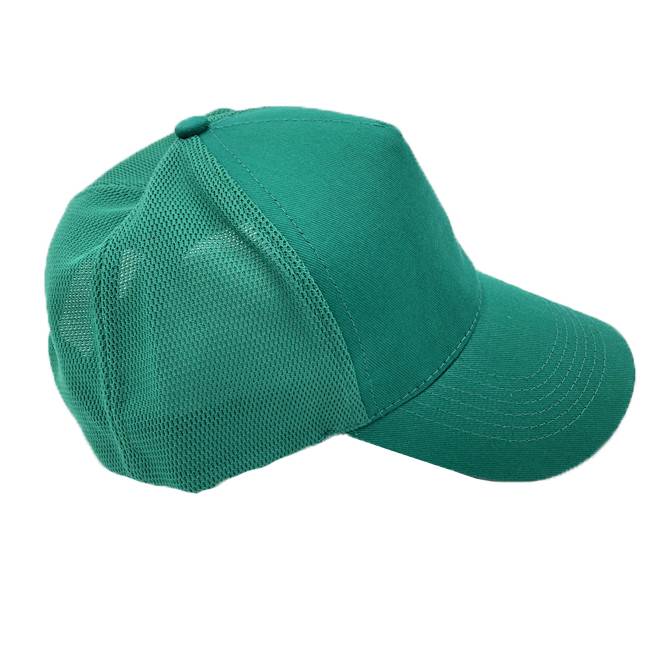
Simply put, a trucker cap factory is a manufacturing facility focused on producing the classic trucker-style caps — those with a foam front, mesh back, adjustable snap closures, and often a curved brim. But from a broader view, these factories represent niches within apparel manufacturing specializing in hats that marry function and style.
These factories connect to modern industry needs as well. Think outdoor workers, sport teams, and casual fashion consumers all relying on these caps to provide sun protection, brand exposure, or simply a stylish look. Because of their relatively simple design and material composition, trucker caps are an ideal product for scalable, cost-effective manufacturing that can be adapted swiftly for changing market needs.
Main Pillars of a Modern Trucker Cap Factory
1. Durability & Material Selection
The core materials — often polyester foams and breathable mesh fabrics — need to withstand daily wear while remaining lightweight and UV resistant. Many factories upgrade their lines to source eco-friendly materials, reflecting a trend towards sustainability.
2. Scalability & Custom Production
Today's consumers crave personalized caps. Successful trucker cap factories implement flexible manufacturing systems that easily switch between bulk orders and custom embroidery or printing — a vital feature in today’s online retail era.
3. Cost Efficiency & Supply Chain Management
Balancing quality with price is a tightrope walk. Factories often source materials globally and maintain tight production schedules to keep costs low, which benefits downstream customers.
4. Quality Control & Testing
Some factories employ rigorous inspections — from stitching durability tests to colorfastness evaluations — ensuring the products meet brand promises, especially for corporate clients.
5. Environmental & Social Responsibility
Factories adhere increasingly to guidelines that ensure minimal environmental impact, fair labor conditions, and traceability in the supply chain to build long-lasting partnerships and brand trust.
In essence, a trucker cap factory today is much more than just a hat maker: it's a nexus where design, technology, sustainability, and commerce converge.
Real-World Uses: How Trucker Cap Factories Shape Global Markets
Trucker caps are everywhere — from rural fields to urban streets. Manufacturers supply a range of sectors worldwide:
- Industrial & Outdoor Workforces: Construction sites and farms rely on caps for sun protection and team identification.
- Sports & Events: Teams and event organizers commission bulk custom caps for branding and giveaways.
- Fashion Retailers: Caps serve as affordable accessories that capture fast-changing trends.
For example, in regions like North America and Europe, there’s a rising demand for sustainably produced caps that align with environmental ethics. Meanwhile, emerging markets in Latin America increasingly import from trusted trucker cap factories for local sales.
Advantages & Why You Should Care
Here’s the thing — these factories deliver more than hats:
- Economic Impact: For many semi-urban regions, trucker cap factories provide steady jobs.
- Sustainability Focus: Green sourcing and waste reduction create less environmental strain than fast-fashion counterparts.
- Customization Benefits: Helping brands tell their story via affordable yet impactful headwear.
- Reliability: High-volume, consistent production means clients trust these factories for their supply chains.
Plus, the social angle— these caps often foster a sense of community or team spirit. You see it in small-town baseball leagues or at company picnics. It’s oddly rewarding, in a subtle way.
Looking Ahead: Innovations Lighting Up the Truckers Cap Factory Scene
It’s not about old-school manufacturing anymore. Many factories integrate automation—robotic sewing and heat pressing—to boost production accuracy. Digital printing technologies allow rapid prototyping and colorful designs at scale.
On materials, biotech fabrics and recycled plastics are finding their way in, in tunes with carbon footprint reduction goals. Some factories even operate solar-powered facilities, showing how the humble trucker cap is becoming a green manufacturing success story.
Challenges & How Top Factories Rise Above
Like many industries, trucker cap factories face hurdles such as:
- Raw material price volatility
- Compliance with labor laws across jurisdictions
- Rapidly changing fashion trends
Smart factories invest in local material sourcing where possible, build flexible manufacturing lines, and gain certifications like WRAP (Worldwide Responsible Accredited Production) to stay ahead.
Product Specification Table
| Specification | Details |
|---|---|
| Material | 100% Polyester (front foam), Polyester Mesh (back panels) |
| Size | One size fits most (adjustable snapback) |
| Brim | Curved, reinforced stitching |
| Color Options | Over 25 standard colors + custom embroidery available |
| Weight | Approx. 60 grams per cap |
| Lead Time | 10-15 business days for bulk orders |
Vendor Comparison Table
| Factory | Location | MOQ | Customization | Sustainability Certs | Average Lead Time |
|---|---|---|---|---|---|
| SJZ Rongdong Cap | Shijiazhuang, China | 100 pcs | Embroidery & Screen Print | ISO 14001, WRAP | 12 Days |
| Global Caps Ltd. | Vietnam | 200 pcs | Woven Labels & Patch | Oeko-Tex Certified | 15 Days |
| EastWear Caps | Bangladesh | 150 pcs | Custom Colors & Stitching | Fair Trade Certified | 18 Days |
FAQs: Common Questions About Trucker Cap Factories
Q1: What makes a trucker cap factory different from other hat manufacturers?
A key difference lies in the production specialization: trucker cap factories focus on mesh-backed, foam-front caps designed for breathability and casual appeal. Their manufacturing lines are optimized for the unique materials and snapback mechanisms these caps require.
Q2: Can trucker cap factories handle small custom orders?
Many modern factories, such as trucker cap factory specialists, have adapted to accept minimum order quantities as low as 50-100 pieces, enabling startups and brands to test the market with personalized merchandise.
Q3: How do factories ensure environmental compliance?
Leading factories follow international standards such as ISO 14001 and WRAP certifications, implementing waste reduction, energy-efficient machinery, and eco-friendly materials sourcing to reduce their carbon footprint.
Q4: What is the typical turnaround time for bulk orders?
Generally, order lead times range from 10 to 18 business days depending on customization complexity and MOQ. Factories often expedite orders for recurring clients.
Q5: Are trucker cap factories able to ship internationally with ease?
Yes, well-established factories maintain logistics partnerships for smooth international shipping. Customs handling and export documentation are part of their service offerings, particularly in major production hubs.
Wrapping Up: Why Invest in a Reliable Trucker Cap Factory? Visit here
To sum it up, the trucker cap factory world hosts a thriving mix of tradition, innovation, and global interconnectedness. Whether you’re an entrepreneur, a brand manager, or just a curious industry observer, recognizing the nuances in these factories shines light on why they matter so much worldwide.
Quality, sustainability, and flexibility are no longer optional but the baseline for leading factories. So, if you value reliability and responsible manufacturing, checking out a reputed trucker cap factory like SJZ Rongdong Cap might just be the smart move.
Sometimes, it’s the humble cap factory that tells big stories... and maybe next time, you’ll see one a little differently.
References
-
Premium Custom Baseball Caps with Logos for Brand VisibilityNewsApr.16,2026
-
Elevate Your Brand with High Quality Custom Hats with My LogoNewsApr.09,2026
-
Elevate Your Brand with Stylish Custom Company Logo HatsNewsApr.07,2026
-
Elevate Your Brand with Stylish Custom Logo Hats and Promotional HeadwearNewsApr.04,2026
-
Discover the Versatility and Style of the Brown Baseball CapNewsMar.31,2026
-
Elevate Your Style with the Timeless Khaki Baseball HatNewsMar.28,2026
-
Discover the Versatility and Style of the Khaki Baseball CapNewsMar.26,2026