Discover the Versatility and Benefits of Nylon Trucker Hats | SJZ Rongdong Cap
The Nylon Trucker Hat: More Than Just a Fashion Statement
At first glance, a nylon trucker hat might seem like a simple accessory—just a cap to shield your eyes from the sun during a weekend barbecue. But dig a little deeper, and you start to realize it's a fascinating example of how materials science, global manufacturing, and cultural trends collide in a practical, affordable product that’s everywhere.
Why does this matter, you ask? Globally, textile and apparel industries are enormous, directly impacting economies and sustainability efforts. Understanding the humble nylon trucker hat connects us to global supply chains, environmental challenges, and even social movements that have shaped this headwear’s widespread popularity.
Global Context: Why the Nylon Trucker Hat Matters in Today’s Market
According to the International Trade Centre and World Bank data, the global apparel market is valued at over $1.5 trillion as of recent estimates—and accessories like hats contribute a significant slice of that pie. Nylon, a synthetic polymer known for its durability and light weight, plays a key role in making products like trucker hats cost-effective and weather-resistant.
But here’s the challenge: as consumers become more eco-conscious, the industry faces growing pressure to balance performance, price, and sustainability. The nylon trucker hat is kind of a bellwether for these tensions, illustrating how companies innovate within tight constraints.
Mini Takeaway:
- The nylon trucker hat stands at the intersection of global manufacturing, material innovation, and evolving consumer values.
- Its widespread presence reflects broader market size and shifts in environmental awareness.
What Exactly Is a Nylon Trucker Hat?
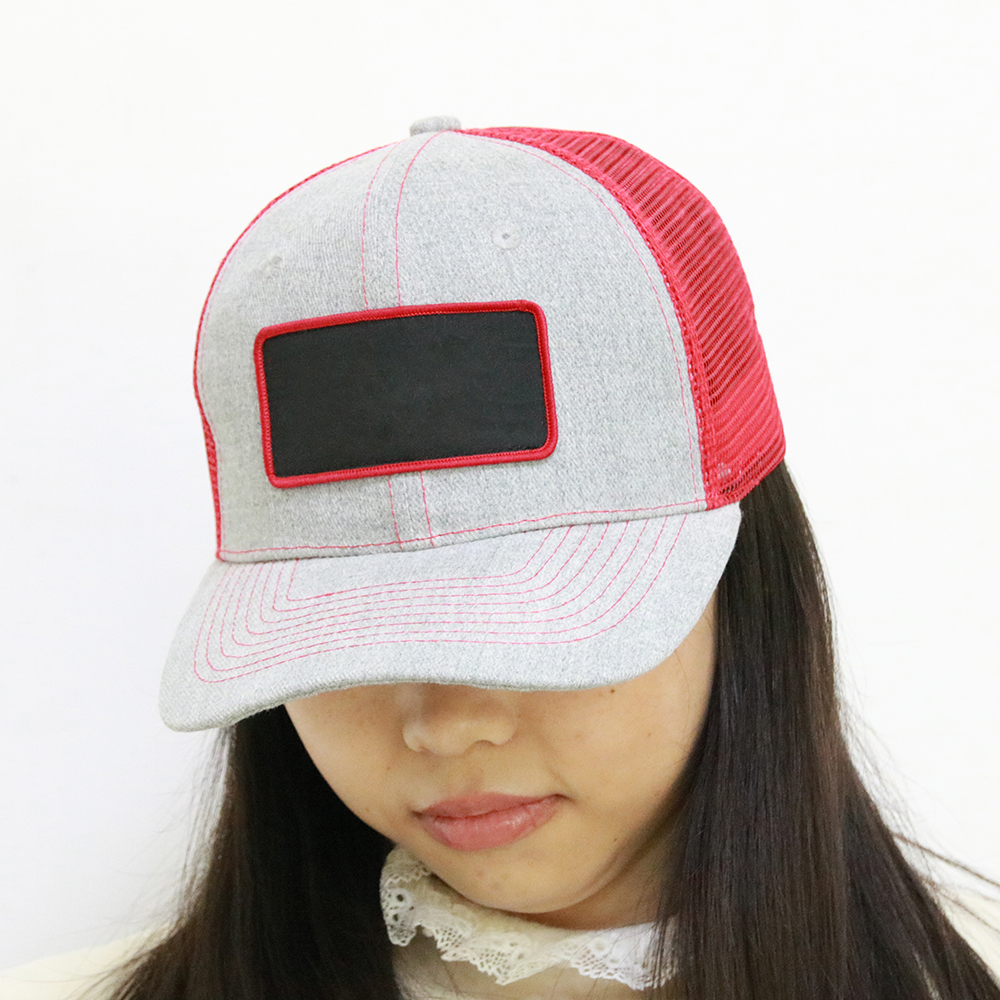
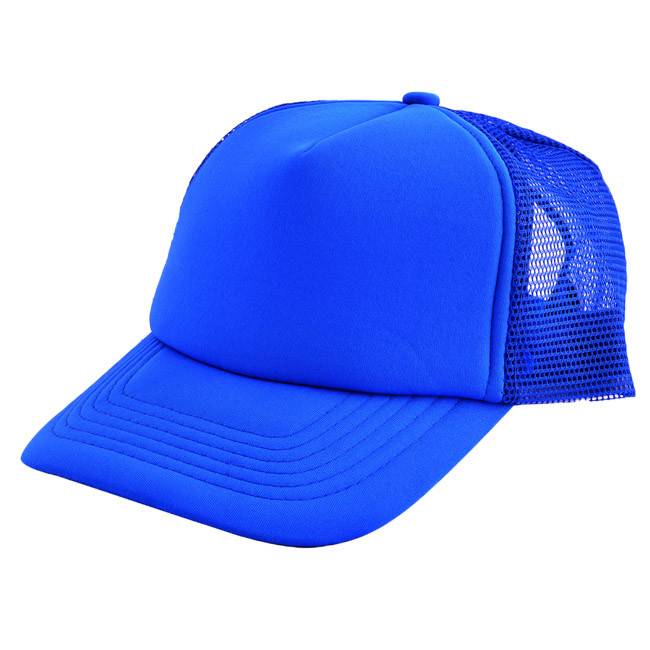
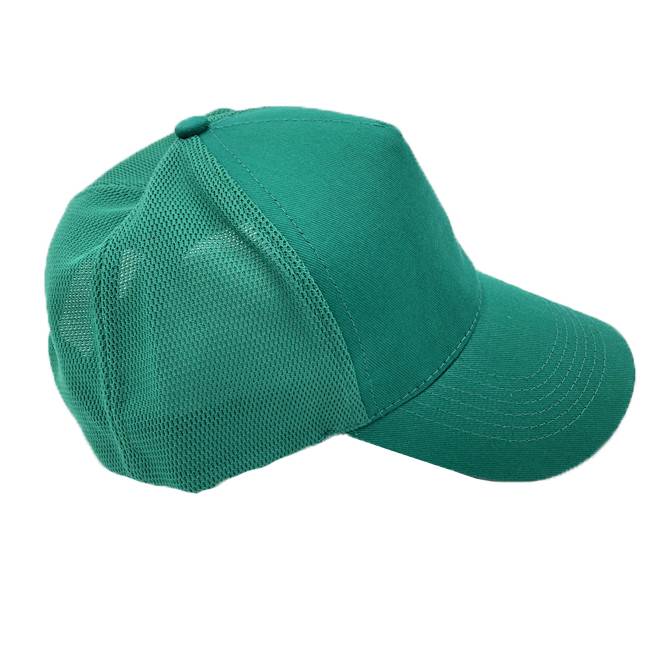
Simply put, a nylon trucker hat is a type of cap characterized by a breathable mesh back and a nylon front panel, often with a foam underbill. It’s lightweight and breathable enough for warm-weather wear yet durable, thanks to nylon fabric’s properties. The “trucker” style originated as a promotional giveaway for American truck drivers in the 1960s but grew into a streetwear staple worldwide.
In modern industrial or humanitarian settings, these hats aren’t just fashion—they often serve as protective gear, publicity tools, or uniform elements. Their quick-drying, sturdy fabric means they hold up in tough environments, from remote construction sites to disaster relief zones, where supply chain reliability and functionality matter.
Core Features That Make Nylon Trucker Hats Stand Out
1. Durability with Lightweight Comfort
Nylon’s inherent strength lets these hats withstand repeated use and exposure without losing shape. At the same time, the mesh panels allow ventilation, which workers or outdoor enthusiasts deeply appreciate. Some manufacturers apply treatment coatings that repel water or UV rays, extending usability.
2. Cost-Effective Scalability
Mass production of nylon trucker hats is relatively inexpensive, as nylon pellets are cheap and widely available. Automation and global factories enable huge output at low unit cost—perfect for large organizations ordering uniforms or promotional swag.
3. Customization and Branding Opportunities
Thanks to nylon’s smooth surface, printing logos or custom embroideries becomes straightforward. Reflective strips or adjustable snaps add functionality or style, broadening their appeal to different sectors like logistics, events, or retail.
4. Environmental Impact Considerations
While nylon is synthetic and petroleum-based, recent efforts towards recyclable and bio-based nylons are emerging. Some factories follow ISO 14001 environmental standards to minimize emissions during production, a trend likely to continue.
Mini Takeaway:
- Lightweight yet tough, nylon trucker hats combine comfort with longevity.
- Their adaptable production and branding make them a go-to choice worldwide.
- Environmental footprints remain a concern but are motivating innovation.
Where Does the Nylon Trucker Hat Come Into Play Globally?
Odds are, if you’ve been to a construction project in Southeast Asia or an outdoor music festival in Europe, you’ve seen the nylon trucker hat in action. In the logistics and manufacturing sectors of countries like China, the Philippines, and Mexico, these hats are part of uniform kits to improve worker safety and company visibility.
NGOs responding to natural disasters often distribute nylon trucker hats customized with their logos to promote solidarity and identify teams quickly. For instance, after recent typhoons hitting the Philippines, relief workers relied on these hats during hot, wet conditions.
In fashion capitals—New York, Paris, Tokyo—the nylon trucker hat blends utility and style, becoming an iconic streetwear item embraced by many brands.
Product Specification Table
| Feature | Specification |
|---|---|
| Material | 100% Nylon front & mesh back (polyester or nylon blend) |
| Weight | Approx. 65 grams |
| Sizing | Adjustable snapback (one size fits most) |
| Breathability | Mesh panels for ventilation |
| UV Protection | Some models have UV-treated fabric |
| Customization | Embroidery, printing, reflective strips available |
Comparing Top Nylon Trucker Hat Vendors
| Vendor | Production Capacity | Customization Options | Eco-Friendly Certifications | Price Range (USD per unit) |
|---|---|---|---|---|
| SJZ Rongdong Cap | 50,000+ hats/month | Full-color printing, embroidery, reflective strips | ISO 14001 compliant | $1.50 - $3.00 |
| CapCo Global | 30,000 hats/month | Embroidery only | None | $2.00 - $3.50 |
| EcoHat Suppliers | 15,000 hats/month | Custom prints, recycled nylon material | Global Recycled Standard | $3.00 - $5.00 |
The Advantages and Lasting Value of Nylon Trucker Hats
Choosing a nylon trucker hat means investing in a product that balances cost and durability. It’s not just about shielding your eyes—the hat protects workers from heat, gathers brand awareness, and is resilient under challenging conditions. Emotionally, it offers a small but meaningful sense of identity, uniformity, and belonging for many teams or communities.
On the sustainability front, while nylon production isn’t perfect, ongoing innovation promises bio-based nylons and circular reuse programs. Socially and economically, nylon trucker hats keep jobs alive in manufacturing hubs and serve as practical giveaways supporting nonprofit campaigns—sort of a tiny ambassador of goodwill.
Emerging Trends and What’s Next for Nylon Trucker Hats
More factories are turning toward digital printing and automation, pushing customization turnaround times down while preserving quality. Innovations like integrating reflective or LED strips are blending safety with tech, especially for night-shift workers.
Green materials like recycled nylon and bio-polymers are entering the arena, though widespread adoption still faces price hurdles. Likewise, supply chain transparency is becoming the norm, boosted by blockchain and scanning tech, letting buyers verify a hat’s origin to address ethical sourcing concerns.
Common Challenges and Practical Solutions
Despite their many perks, nylon trucker hats sometimes fall short in environmental areas—poor biodegradability, microplastic shedding during washing, and dependency on fossil fuels remain issues. Manufacturers respond with improved fabric blends, recycled content, and better recycling programs that encourage “hat take-back.”
Quality control also varies between vendors, making partner selection crucial. Working with experienced suppliers such as SJZ Rongdong Cap that adhere to ISO standards helps reduce defects and improve customer satisfaction.
FAQ: Your Questions About Nylon Trucker Hats Answered
- What makes nylon trucker hats better for warm climates?
- Thanks to the mesh back panels and lightweight nylon fabric, trucker hats provide excellent airflow. This ventilation helps wearers stay cool during hot, sunny days, making them ideal for outdoor work or recreation.
- Can nylon trucker hats be customized for corporate branding?
- Absolutely. Nylon's smooth surface supports various printing and embroidery techniques, allowing companies to add logos, slogans, or color-specific designs to promote brand identity.
- Are nylon trucker hats environmentally sustainable?
- Traditional nylon comes from petroleum, so sustainability is a concern. However, many manufacturers now offer recycled nylon options and follow eco-friendly production standards to reduce environmental impact.
- How long does a typical nylon trucker hat last?
- With regular use, a well-made nylon trucker hat can last about 1–3 years, depending on conditions like sun exposure and washing frequency.
Wrapping It Up: Why a Nylon Trucker Hat Is a Smart Choice
When you put it all together—durability, style, cost, and evolving sustainability efforts—the nylon trucker hat is pretty remarkable. It’s a small, everyday tool that tells a bigger story about manufacturing innovation and global trade. If you’re interested in exploring quality options or designing custom hats, visit SJZ Rongdong Cap for more info. After all, the right hat isn’t just about sun protection—it's about identity, practicality, and a surprisingly global footprint.
References
-
Premium Custom Baseball Caps with Logos for Brand VisibilityNewsApr.16,2026
-
Elevate Your Brand with High Quality Custom Hats with My LogoNewsApr.09,2026
-
Elevate Your Brand with Stylish Custom Company Logo HatsNewsApr.07,2026
-
Elevate Your Brand with Stylish Custom Logo Hats and Promotional HeadwearNewsApr.04,2026
-
Discover the Versatility and Style of the Brown Baseball CapNewsMar.31,2026
-
Elevate Your Style with the Timeless Khaki Baseball HatNewsMar.28,2026
-
Discover the Versatility and Style of the Khaki Baseball CapNewsMar.26,2026