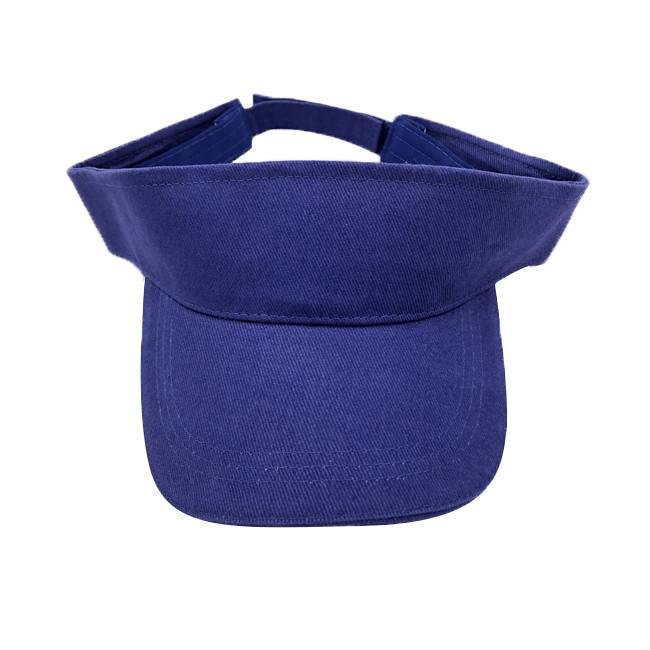
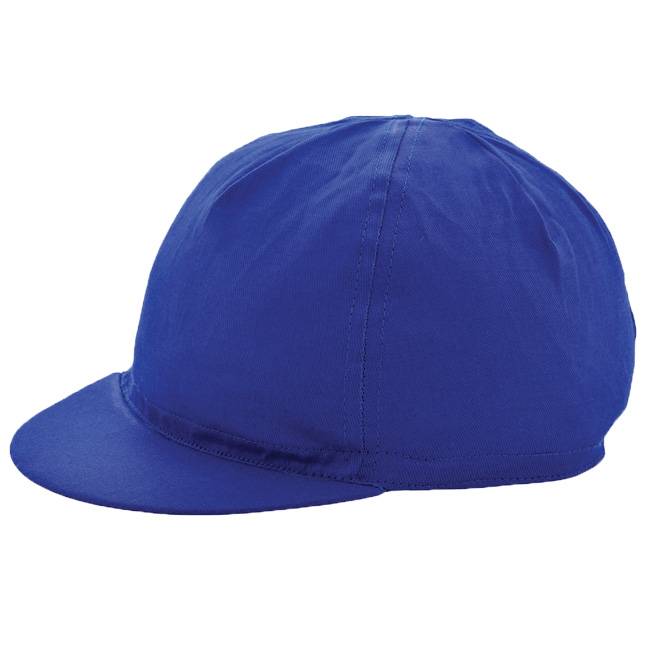
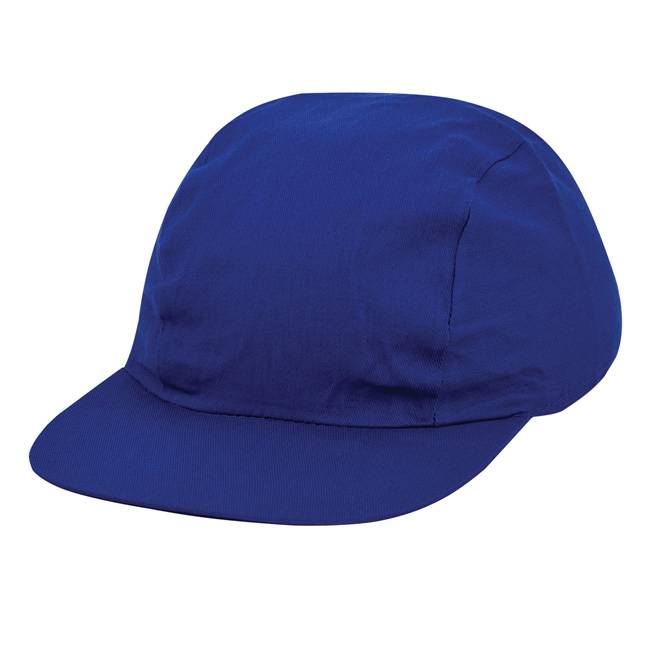
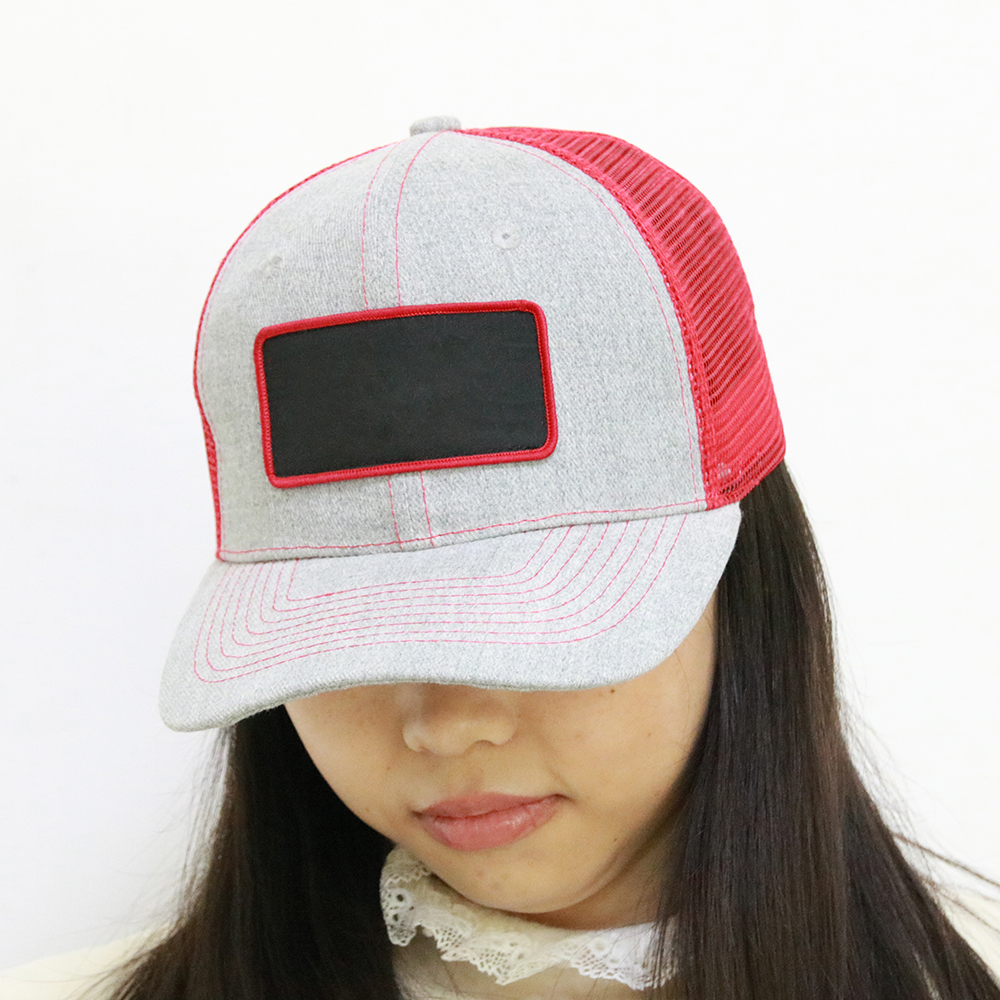
Durable and Breathable Nylon Mesh Hats for Outdoor & Industrial Use
What’s All the Buzz About Nylon Mesh Hats?
At first glance, a nylon mesh hat might seem like just another piece of casual headwear. But peel back the layers, and it’s a blend of modern material science, practical design, and global relevance. These hats aren’t just about style or sun protection — they reflect a small but significant slice of textile innovation, impacting fields from forestry workers in Canada to hikers roaming the Alps.
Understanding why a nylon mesh hat matters — both locally and globally — offers insights into sustainability, comfort, and industry responsiveness. Also, figuring out the “why” can change how you look at other common items around you, revealing the thoughtful engineering behind everyday gear.
Global Context: Why Nylon Mesh Hats Matter in Today’s Industry and Environment
Globally, outdoor activities and harsh working environments have surged over the past decade. According to the United Nations, over 15% of the world's labor force works primarily outdoors — and that’s without counting leisure or agricultural sectors. In hot, humid, or insect-heavy climates, protection is more than thick cotton shirts or plastic caps: it includes breathable, durable headgear.
Here’s the rub: many traditional hats trap heat, cause discomfort, or degrade after exposure to sun and moisture. Nylon mesh hats offer a lightweight, breathable alternative that helps workers and enthusiasts alike avoid heat exhaustion, skin irritation, and related health threats.
But even beyond comfort, these hats play a role in mitigating environmental impact because nylon, when responsibly produced, is durable and recyclable — less waste in landfills. Plus, improved designs help reduce the need for chemicals like insect repellents or UV-blocking sprays, which have their own ecological costs.
Defining the Nylon Mesh Hat: What It Is, Simply Put
The nylon mesh hat is essentially a traditional style cap or bucket hat made primarily from nylon — a synthetic polymer famous for its strength and flexibility — paired with mesh panels (tiny woven holes) for airflow. This design couples the robust protection of nylon fabric with the ventilated comfort of mesh, making it ideal for long wear under the sun.
From a technical perspective, the combination ensures:
- Durability in tough conditions;
- Breathability to prevent sweating and overheating;
- Quick drying properties for humid or wet climates;
- Lightweight feel that doesn’t weigh down the wearer.
In many humanitarian and industrial contexts, these hats support worker safety standards and comfort, connecting small innovations to big-picture needs.
Core Components of a Quality Nylon Mesh Hat
Durability Comes First
Nylon is well known for its tensile strength, abrasion resistance, and resistance to mildew and mold — key when you’re exposed to the outdoors or industrial dust. Mesh panels reduce hot spots but still maintain structural integrity. Many engineers insist on “denier” ratings of 70-100 denier for the fabric to ensure longevity.
Breathability and Comfort
A hat with zero airflow feels like a sauna on your head — and that’s no good for anyone. The mesh side panels allow air circulation, reducing sweat buildup and skin irritation, which is why nylon mesh hats are favored by avid hikers, gardeners, painters, and even delivery personnel.
Sun Protection and Insect Defense
Beyond just shading your eyes, many hats include UPF-rated nylon materials that block ultraviolet radiation. Plus, the tight mesh can keep mosquitoes and other bugs at bay — a big deal in tropical or temperate zones.
Cost Efficiency and Scalability
Nylon is relatively affordable compared to some natural fibers like high-grade cotton or hemp. Plus, the manufacturing process is scalable to mass production without significant quality loss, which is why nylon mesh hats are present in both local markets and large industrial supply chains.
Real-World Uses Around the Globe
You might not expect a hat to bridge continents and industries, but these do. Here are a few examples:
- Post-disaster relief: Aid workers wearing nylon mesh hats stay cooler and protected while distributing supplies in tropical climates prone to heat waves.
- Agricultural sectors: Farmers in India’s hot plains and vineyard workers in California use these hats every day to endure harsh sun.
- Outdoor sports: From fishing boats in Scandinavia to trail races in the Rockies, athletes are increasingly relying on breathable nylon mesh hats for both function and comfort.
Mini Takeaway:
Whether it’s a humanitarian mission in Southeast Asia or a logging operation in Canada, the nylon mesh hat quietly improves daily working conditions worldwide.
Advantages & Long-Term Value of Choosing Nylon Mesh Hats
Tangibly, these hats save money and reduce downtime. Less sweating means less risk of heat-related illness, fewer washing needs, and increased durability reduces frequent replacements. Emotionally, they inspire trust among workers — a subtle but important morale booster.
Another benefit: many manufacturers now integrate recyclable or partially recycled nylon, contributing to sustainable product cycles. Combining physical safety, environmental care, and cost savings gives these hats a compelling value proposition.
Innovations on the Horizon for Nylon Mesh Hat Technology
Materials science is moving fast, and the hat isn’t exempt:
- Eco-nylon: Made from bio-based or recycled raw materials, cutting petroleum reliance.
- Smart fabrics: Imagine a mesh hat with embedded UV sensors or hydration reminders.
- 3D knitting: Customized, seamless hats improving fit and reducing waste.
- Antimicrobial coatings: Protecting users from bacteria and odor over long field shifts.
Common Challenges and How Experts Are Tackling Them
The biggest hurdles? Some users report mesh panels feeling fragile, or color fading from strong sunlight. Manufacturing inconsistencies can also affect breathability or fit.
Innovative solutions include blended fibers for extra toughness, UV-stabilizers woven into fibers, and better quality control via automated inspections. Users also recommend rotating hats regularly and pairing them with moisture-wicking headbands.
Frequently Asked Questions About Nylon Mesh Hats
- Q: How do nylon mesh hats compare to cotton hats in hot climates?
- A: Nylon mesh hats provide superior ventilation and quick drying, making them cooler and more comfortable in heat and humidity. Cotton absorbs sweat but dries slowly, which can lead to discomfort and chafing.
- Q: Are nylon mesh hats suitable for rugged outdoor work?
- A: Yes — their durability and resistance to abrasion make them ideal for labor-intensive environments, provided the mesh panels have adequate protection and the fabric has sufficient denier strength.
- Q: Can nylon mesh hats block UV rays effectively?
- A: Many hats are treated or manufactured with UV-blocking materials to provide UPF protection, often rated between 30 and 50+. This reduces skin damage risk during prolonged sun exposure.
- Q: Are these hats machine washable?
- A: Generally, yes. Nylon mesh hats should be washed on gentle cycles and air-dried to maintain shape and material integrity. Consult specific care labels for best results.
Product Specification Table
| Specification | Details |
|---|---|
| Material | 100% Nylon with Polyester Mesh |
| Weight | Approx. 75 grams |
| UPF Rating | 30+ (UV Protection) |
| Water Resistance | Quick-dry, not waterproof |
| Sizes | S, M, L, XL (Adjustable) |
| Colors | Olive Green, Khaki, Navy Blue, Black |
Comparison of Top Nylon Mesh Hat Vendors
| Vendor | Price Range | Material Quality | Customization | Sustainability |
|---|---|---|---|---|
| RongDong Caps | $7 - $15 per unit | High (70D Nylon + Polyester Mesh) | Full Logo & Color Options | Uses Recycled Materials |
| MeshWorks Inc. | $12 - $20 per unit | Premium Nylon (80D) | Limited Custom Prints | Partial Recyclability |
| OutdoorPro Gear | $10 - $18 per unit | Moderate (60D Nylon) | Custom Embroidery Available | Standard Materials |
In Closing: Why A Simple Nylon Mesh Hat Is More Than Just Headgear
When you consider the myriad demands on a nylon mesh hat — comfort, durability, sustainability, fashion, and practical scalability — it’s clear these aren’t trivial accessories. They’re a symbol of how modern textiles cater to real human needs across vastly different environments.
I often find myself admiring how such “small” products do “big” work. From protecting workers in grueling heat to enabling explorers to brave the wild outdoors more comfortably, nylon mesh hats carve out their place quietly but surely.
If you’re curious to explore premium options or bulk purchasing, feel free to check out the latest nylon mesh hat collections and customization offers — good headgear truly makes all the difference.
Quick Recap:
- Breathable & durable material suits tough environments.
- Global industries rely on these for safety and comfort.
- Upcoming innovations promise even smarter, greener hats.
- Choosing a quality supplier ensures you get sustainable, cost-effective products.
References
-
Premium Custom Baseball Caps with Logos for Brand VisibilityNewsApr.16,2026
-
Elevate Your Brand with High Quality Custom Hats with My LogoNewsApr.09,2026
-
Elevate Your Brand with Stylish Custom Company Logo HatsNewsApr.07,2026
-
Elevate Your Brand with Stylish Custom Logo Hats and Promotional HeadwearNewsApr.04,2026
-
Discover the Versatility and Style of the Brown Baseball CapNewsMar.31,2026
-
Elevate Your Style with the Timeless Khaki Baseball HatNewsMar.28,2026
-
Discover the Versatility and Style of the Khaki Baseball CapNewsMar.26,2026