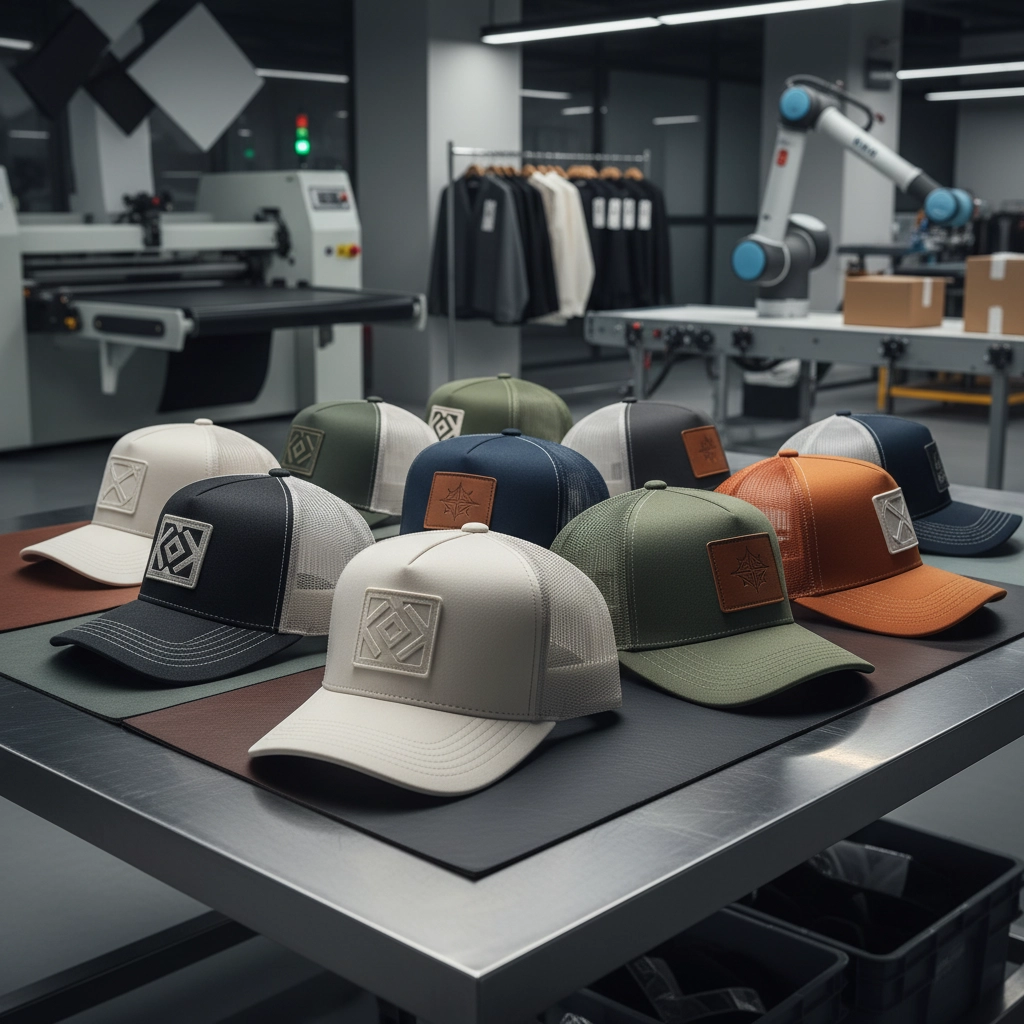
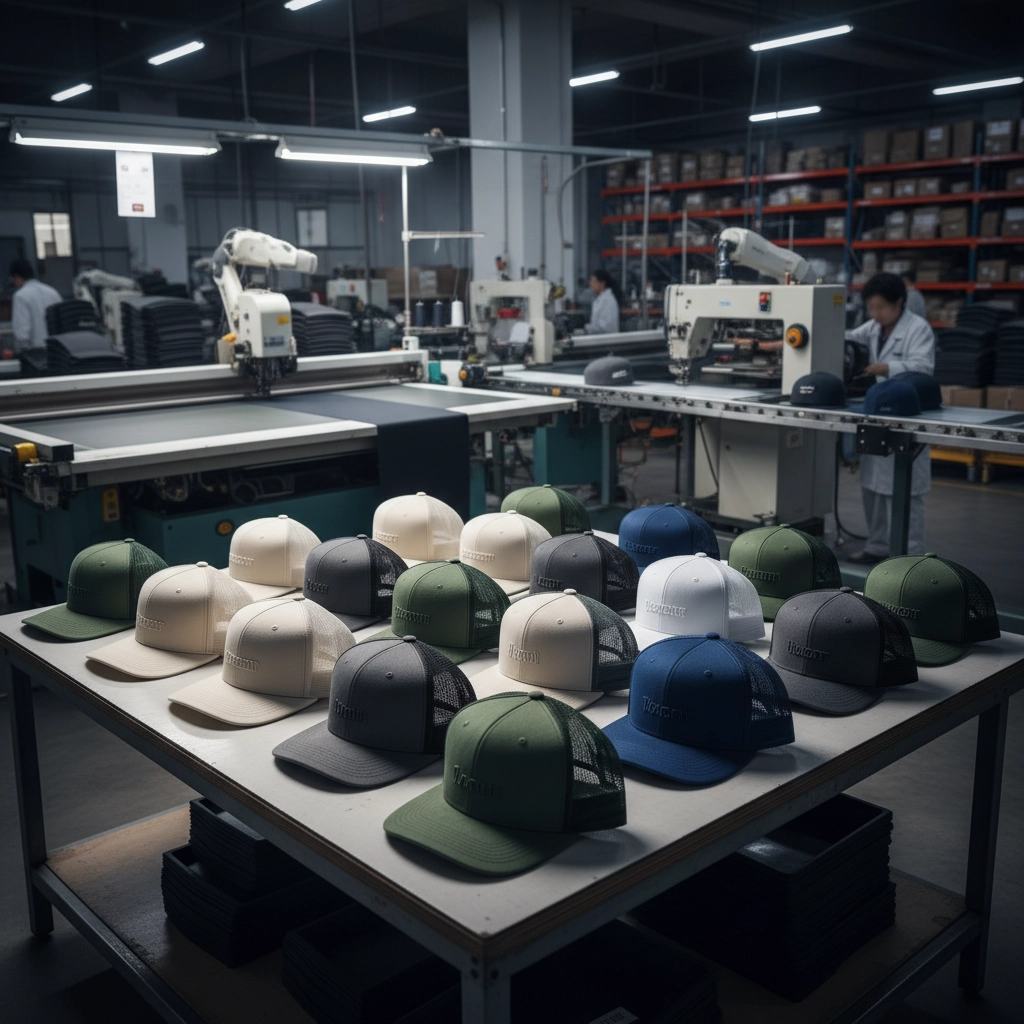
The evolution of headwear in the modern commercial landscape has seen a significant resurgence in the popularity of foam trucker caps, blending nostalgic Americana with contemporary street style. These caps are not merely fashion statements but are engineered solutions for breathability and structural integrity, making them indispensable for promotional branding and outdoor activities globally.
Understanding the technical composition of these hats—specifically the marriage of a polyurethane foam front panel and a polyester mesh back—is crucial for businesses looking to leverage them for marketing. By providing a high-profile canvas for logos and an airy fit for the wearer, these caps solve the common problem of heat retention found in traditional closed-crown baseball caps.
From a global manufacturing perspective, the demand for high-quality foam trucker caps continues to grow as brands seek cost-effective yet durable merchandise. This guide explores the intricate details of their design, application, and the future of sustainable materials in the headwear industry.
The Structural Anatomy of Foam Trucker Caps
At its core, the design of foam trucker caps is centered around a high-profile front panel made from expanded polyurethane foam, typically covered with a polyester fabric. This specific construction allows the hat to maintain its shape regardless of the wearer's head size, providing a consistent "boxy" look that is iconic to the trucker style.
The posterior of the cap features a breathable mesh, which facilitates maximum airflow and heat dissipation. Combined with an adjustable snapback closure, these elements ensure that the cap is not only a visual asset for branding but also a functional garment capable of withstanding rigorous outdoor environments.
Global Market Relevance and Demand
In the current global apparel market, foam trucker caps have transitioned from agricultural workwear to high-fashion accessories. Data suggests that the promotional headwear sector remains a multi-billion dollar industry, with "trucker style" consistently ranking in the top three most requested silhouettes for corporate gifting and event merchandise.
The global relevance of these caps stems from their versatility. Whether it is a music festival in Europe or a construction site in North America, the foam-and-mesh combination offers a pragmatic solution to sun protection and ventilation. This universal appeal allows manufacturers to scale production for diverse demographics without compromising the core design.
However, a primary challenge facing the industry is the balance between low-cost production and the increasing consumer demand for ethical sourcing. As brands shift toward E-E-A-T (Experience, Expertise, Authoritativeness, and Trustworthiness) principles in their marketing, the quality of the foam and the durability of the stitching have become key differentiators in a crowded marketplace.
Key Material Factors for Durability
When evaluating the quality of foam trucker caps, the density of the foam is the first critical factor. High-density foam ensures that the crown does not collapse after repeated wear or during the shipping process, maintaining the professional silhouette required for premium branding.
Furthermore, the tensile strength of the polyester mesh is paramount. Low-grade mesh is prone to snagging and tearing, whereas industrial-grade mesh used in professional foam trucker caps provides long-term resilience against abrasions and environmental wear.
Lastly, the UV resistance of the outer fabric prevents the vivid colors of the foam panels from fading under intense sunlight. This material stability is what transforms a disposable promotional item into a long-term accessory that users are proud to wear for years.
Performance Metrics in Commercial Use
From a commercial standpoint, the effectiveness of foam trucker caps can be measured by their "brand visibility" and "user retention rate." Because the foam front is stiff and vertical, it provides a larger and flatter surface area for screen printing and embroidery compared to unstructured caps.
This structural advantage directly correlates to higher marketing ROI, as logos remain legible from a distance. The following chart illustrates how different versions of foam trucker caps perform across key commercial metrics.
Performance Rating of Commercial Foam Trucker Cap Variants
Diverse Global Applications and Use Cases
The application of foam trucker caps spans across various industries. In the promotional sector, they are the gold standard for trade shows and sporting events due to their "one size fits most" nature, which eliminates the need for complex inventory sizing.
Beyond marketing, these caps are heavily utilized in industrial zones and outdoor labor sectors. For example, in remote agricultural regions or logistics hubs, the high-breathability mesh prevents heat stroke, while the foam visor provides essential shade, blending occupational safety with corporate identity.
Long-Term Value and Branding Advantages
Investing in high-quality foam trucker caps provides a tangible long-term value that transcends simple garment utility. For a brand, a cap that doesn't lose its shape after six months is a walking billboard that continues to generate impressions long after the initial distribution.
From a psychological perspective, the "trucker" aesthetic evokes feelings of ruggedness, authenticity, and reliability. When a company provides a well-made cap, it subconsciously communicates stability and quality, fostering a deeper trust between the consumer and the brand.
Furthermore, the cost-to-impact ratio is unmatched. Compared to digital ads that disappear in seconds, a durable foam cap remains in a customer's wardrobe for years, providing a constant, physical touchpoint that reinforces brand loyalty.
Future Trends and Sustainable Innovations
The future of foam trucker caps is pivoting toward "Green Manufacturing." The industry is currently experimenting with recycled PET (rPET) for the mesh and biodegradable bio-foams to replace traditional petroleum-based polyurethane, reducing the environmental footprint of mass production.
Digital transformation is also playing a role, with the integration of smart-textiles and RFID tags for inventory management and anti-counterfeiting. This allows high-end brands to ensure the authenticity of their limited-edition releases while maintaining the classic trucker silhouette.
Automation in embroidery and 3D puff printing is allowing for more intricate designs on the foam panels, enabling brands to move beyond simple logos to complex, textured artworks that elevate the cap from a promotional tool to a piece of wearable art.
Comparative Analysis of Foam Trucker Cap Material Evolutions
| Material Generation |
Core Composition |
Durability Score (1-10) |
Sustainability Level |
| Classic Foam |
PU Foam + Polyester |
6 |
Low |
| High-Density Foam |
Compressed PU + Nylon |
9 |
Medium |
| Recycled Mesh |
rPET + Standard Foam |
7 |
High |
| Bio-Foam Hybrid |
Corn-based Foam + Organic Cotton |
8 |
Very High |
| Premium Performance |
EVA Foam + Ripstop Mesh |
10 |
Medium |
| Smart-Textile Cap |
Conductive Foam + rPET |
8 |
High |
FAQS
The primary difference lies in the construction of the crown and the back. foam trucker caps feature a stiff, high-profile foam front panel that maintains its shape and a mesh back for maximum ventilation. Standard baseball caps usually have a fabric crown (often cotton or wool) and a closed back, which provides less airflow but a different, more snug aesthetic.
Yes, they are exceptionally well-suited for hot climates. The open-cell mesh back allows heat to escape the head efficiently, preventing overheating. Additionally, the foam front panel provides a wide brim that protects the face and eyes from direct UV exposure, making them a practical choice for agricultural and industrial labor.
To ensure longevity, we recommend using high-quality screen printing with plastisol inks or, better yet, 3D puff embroidery. Because the foam surface is stable, embroidery creates a permanent bond. Avoiding harsh chemical detergents and air-drying the caps will also prevent the foam from degrading and the colors from fading over time.
Absolutely. Their "one size fits most" snapback design makes them the ideal choice for bulk orders. Since there is no need to worry about specific sizing (Small, Medium, Large), companies can order large quantities of foam trucker caps with a single logo, ensuring every attendee receives a perfectly fitting piece of merchandise.
Yes, the industry is moving toward recycled PU foams and bio-based alternatives derived from renewable sources. Many manufacturers are now offering rPET mesh (made from recycled plastic bottles) combined with water-based inks for printing, significantly reducing the environmental impact while maintaining the iconic look and feel of the trucker cap.
Avoid machine washing, as the agitator can collapse the foam crown. Instead, use a damp cloth with mild soap to spot-clean the foam panel. For the mesh, a gentle scrub with a soft brush works best. Always air-dry the cap on a head-shaped form or a stuffed towel to ensure the structure remains intact.
Conclusion
In summary, foam trucker caps represent a perfect intersection of functional engineering and commercial appeal. By combining the structural rigidity of polyurethane foam with the breathability of polyester mesh, these caps provide an unmatched canvas for branding and a reliable accessory for outdoor performance. From their role in global promotional strategies to their utility in demanding industrial environments, their value lies in their versatility, durability, and timeless aesthetic.
Looking forward, the transition toward sustainable materials and smart-manufacturing will only enhance the relevance of this headwear. For businesses and organizations, investing in high-quality, ethically produced caps is no longer just a marketing choice but a reflection of brand values. We encourage you to explore the balance of quality and sustainability to elevate your brand visibility. Visit our website for professional manufacturing solutions: www.sjzrongdongcap.com