High-Quality Leather Patch Ball Caps — Durable, Stylish, and Customizable Headwear
What’s Behind the Buzz of the Leather Patch Ball Cap?
Leather patch ball caps might seem like a mere fashion accessory to some. But, honestly, they mean more than just a hat. Globally, these distinctive caps blend tradition, craftsmanship, and modern utility. From urban streets to remote work zones, understanding what makes leather patch ball caps special helps brands stand out and consumers enjoy a durable, stylish product with personality.
Why does it matter? Well, the global headwear market has been growing steadily — reaching over $20 billion in 2023 according to Statista — and leather patch detailing is a key driver for premium, sustainable trends. Many manufacturers now focus on adding that tactile, rugged charm that appeals to both fashion-conscious urbanites and hardworking professionals.
Takeaway: Leather patch ball caps aren’t just trendy—they reflect a deeper blend of heritage craft and functional fashion that's gaining momentum worldwide.
Looking at Leather Patch Ball Caps in the Modern Marketplace
Globally, headwear isn’t just about shielding from the sun. The industry reflects a fascinating fusion of cultural identity, branding, and technical materials. According to a 2022 UN study on textile manufacturing impacts, sustainable leather and ethical sourcing have become non-negotiable in many product lines, and leather patch ball caps sit smack in the middle of this.
There’s a challenge though: how to maintain authentic leather quality while meeting scalable production demands? And, in a world craving sustainability, something as simple as a leather patch can make or break consumer trust. Throw in increasing variations in styles — from minimalist to vintage — and you get a lively, competitive market that demands innovation.
Mini takeaway: Leather patch ball caps tap into a global urge for authentic, quality materials but must balance scalability and sustainability to succeed in diverse markets.
Defining the Leather Patch Ball Cap
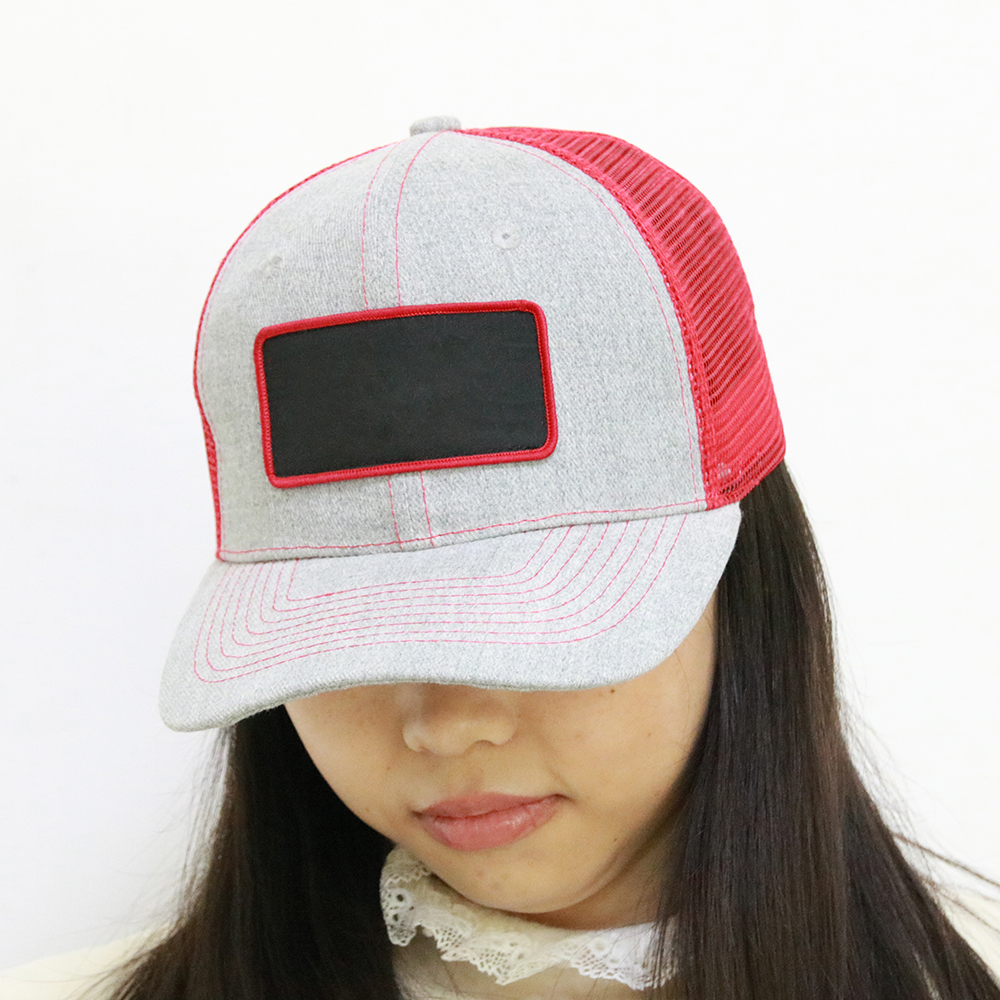
At its core, a leather patch ball cap is a traditional six-panel or five-panel hat distinguished by a sewn or embossed leather patch usually sewn on the front. This patch often carries brands, logos, or unique artisanal designs.
What makes it stand out? The leather patch serves as a tactile branding element, adding durability and a rustic aesthetic that's hard for screen prints or embroidered badges to match. It also reflects a connection to craftsmanship — leatherwork being one of the oldest human skills.
Industrially, these caps offer a canvas for branding in sectors like outdoor apparel, workwear, and lifestyle fashion, where practical toughness and personality intersect. In humanitarian or outdoor work settings, the sturdy leather patch can stand up to rough conditions while keeping the wearer visible and identifiable.
Bottom line: It’s more than just decoration — it’s a symbol of durability, identity, and authenticity.
Key Factors That Make Leather Patch Ball Caps Popular
1. Durability You Can Feel
Leather patches age well. Many designers and wearers alike mention — a well-cared-for leather patch only gets better, developing a unique patina. It resists water and tearing better than many fabrics, especially when combined with quality cotton or wool cap materials.
2. Scalability Meets Customization
Manufacturers can emboss, laser-engrave, or hand-stamp patches, enabling anything from mass production to boutique custom runs. This makes leather patch ball caps highly adaptable for brands targeting niche markets or broad audiences.
3. Cost Efficiency vs. Perceived Value
Though leather patches add cost, this investment boosts perceived value. Retailers often price these higher than standard caps, and the goodwill generated by quality materials can reduce returns and boost loyalty.
4. Sustainability and Ethical Sourcing
With the rise of responsible fashion, sourcing leather from tanneries compliant with ISO 14001 standards or utilizing vegetable-tanned leather helps brands appeal to eco-conscious consumers. Some even use recycled leather components.
5. Style Versatility
Leather patch ball caps fit many styles — rugged outdoors, casual streetwear, or uniform apparel — making them a staple for wide-ranging users.
Quick summary: Durability, flexibility in design, and ethical production make these caps attractive across markets.
How and Where Are Leather Patch Ball Caps Really Used?
They pop up in surprising places. Outdoor brands in North America and Europe lean heavily on leather patch ball caps as a symbol of ruggedness. In regions like Australia or South Africa, where outdoor work and lifestyle collide, these caps are commonplace.
In industrial zones — say, remote mining camps — the patch often carries company logos allowing quick team identification without heavy branding clutter. Post-disaster relief organizations sometimes adopt these hats for durable, lightweight headwear that can be rapidly dispatched.
Also, the fashion industry’s increasing shift toward “heritage” and “artisanal” styles means leather patches often become storytelling devices, marking collaboration lines or limited editions. Think urban boutiques in Tokyo or Berlin using these caps as wearable art.
Mini takeaway: From industrial sites to hip urban retailers, leather patch ball caps meet multiple needs, blending utility and style.
Advantages That Make Consumers Keep Coming Back
- Longevity: A leather patch stands up to weather, making these caps lasting favorites.
- Sustainability: Ethically sourced leather adds social responsibility.
- Trust & Identity: Consumers feel connected to brands with authentic materials.
- Innovation: Digital embossing and laser tech allow unique designs previously impossible.
- Comfort: Usually paired with breathable cotton, they’re wearable all day.
In a way, these hats carry pride and trust on one’s head — literally a portable badge of confidence.
Leather Patch Ball Cap Specification Table
| Feature | Description | Typical Range |
|---|---|---|
| Cap Material | Cotton twill, polyester blend | 100% cotton to 65/35 blend |
| Leather Patch | Cowhide, vegetable-tanned leather | 2-3 mm thickness |
| Closure Type | Snapback, strapback, fitted | Adjustable & fitted options |
| Patch Dimensions | Rectangular or square patch | Approx. 2.5 x 4 in |
| Color Options | Natural leather tones, dyed options | Brown, black, tan, chestnut |
How Different Vendors Stack Up
| Vendor | Leather Source | Customization Options | Price Range (USD) | Sustainability Certification |
|---|---|---|---|---|
| Rongdong Caps | Vegetable-tanned cowhide (China) | Embossing, color dyeing, patch shape | $7–$15 per unit | ISO 14001 compliant |
| Heritage Headwear | European chrome-tanned leather | Laser engraving, embroidery add-ons | $12–$22 per unit | Leather Working Group certified |
| EcoPatch Apparel | Recycled leather scraps (USA) | Color customization, patch size | $10–$18 per unit | B Corp certified |
The Future Looks Bright (and Sustainable)
What’s next for leather patch ball caps? Expect more innovations around green materials. Plant-based leather alternatives and blends that mimic traditional leather’s durability without the environmental footprint are already in the labs and small-scale production. Add to that digital laser customization that lets designers tweak patches instantly, even for tiny orders.
Automation in cutting and stitching will speed up scaling while keeping costs manageable. Plus, brands increasingly embrace circular economy principles, encouraging patch reuse or recycling components, which frankly, feels like the right direction.
Insight: As tech meets tradition, the leather patch ball cap will evolve into an even smarter, sustainable staple.
Overcoming Challenges in Production and Usage
Leather patches do have their quirks. They can stiffen or crack if not treated properly, and uneven patches may throw off final assembly lines. Not to mention ethical concerns about leather sourcing — which many brands tackle by demanding traceability and choosing certified tannery partners.
The solution? Continuous innovation in production techniques like vegetable tanning and waterproofing finishes, plus smarter supply chain transparency thanks to blockchain tech.
So, leather patch ball caps come with baggage but smart, eco-conscious approaches are smoothing the path forward.
FAQs About Leather Patch Ball Caps
Q1: How do I clean and maintain a leather patch ball cap?Use a soft cloth to wipe dirt off the leather patch gently. Avoid soaking the leather; instead, use a specialized leather cleaner occasionally and apply conditioner to keep it supple. For the fabric part, spot clean or follow manufacturer instructions to avoid shrinking.
Q2: Can I customize my leather patch ball cap with my company logo?Absolutely. Many vendors offer embossing, laser engraving, or even hand-stamped customization. You’ll usually need to provide vector files or artwork for best results. Minimum orders may apply depending on the vendor’s setup.
Q3: Are leather patch ball caps environmentally friendly?That depends on the leather sourcing and tanning process. Look for suppliers using vegetable-tanned or recycled leather and certifications like ISO 14001 or Leather Working Group compliance to ensure eco-conscious production.
Q4: How durable is the leather patch under harsh weather conditions?Good-quality leather patches withstand rain and sun surprisingly well, especially when treated. Over time, exposure can add character through patinas, but extreme conditions might require occasional care.
Q5: What sizes and closures are common with these caps?Most come in adjustable snapbacks or strapbacks for range fit, plus fitted options for precise sizing. Materials and patch size typically remain consistent.
Wrapping It Up: Why Leather Patch Ball Caps Are Worth the Hype
In many ways, leather patch ball caps represent a charming intersection of style, durability, and sustainability. They meet the growing demand for authentic materials and customizable branding while catering to diverse industries — from fashion to frontline work environments. If you’re hunting for a cap that goes beyond just a head covering and carries a story and strength, these caps might just fit the bill perfectly.
To explore quality leather patch ball cap options tailored for your brand or personal use, visit the link and see how tradition and innovation meet.
References:
1. Wikipedia: Baseball Cap
2. UNIDO Report on Sustainable Textile Production, 2022
3. ISO 14001 Environmental Management Standard Overview
-
Premium Custom Baseball Caps with Logos for Brand VisibilityNewsApr.16,2026
-
Elevate Your Brand with High Quality Custom Hats with My LogoNewsApr.09,2026
-
Elevate Your Brand with Stylish Custom Company Logo HatsNewsApr.07,2026
-
Elevate Your Brand with Stylish Custom Logo Hats and Promotional HeadwearNewsApr.04,2026
-
Discover the Versatility and Style of the Brown Baseball CapNewsMar.31,2026
-
Elevate Your Style with the Timeless Khaki Baseball HatNewsMar.28,2026
-
Discover the Versatility and Style of the Khaki Baseball CapNewsMar.26,2026