Durable and Stylish Hats with Leather Patch Logo – Trends & Benefits
What’s Behind the Rising Trend of the Hat with Leather Patch Logo?
Trendy, rugged, and surprisingly meaningful—a hat with leather patch logo is more than just a fashion statement these days. Globally, these hats tap into a deep-rooted appreciation for crafted style, durability, and brand storytelling. Whether you’re an outdoor enthusiast, a boutique brand owner, or just someone who appreciates touches of authentic design, understanding why these hats matter can shed light on both cultural and economic angles worldwide.
Interestingly, the global headwear market topped nearly $12 billion in value in recent years, with an increasing share for casual hats sporting leather accents. They’re not just about looks; the durable nature of leather patches, often handmade or ethically sourced, brings a deeper story of quality and heritage. Plus, in an era where “made to last” beats fast fashion, these hats tick a bunch of boxes we care more about each day.
Mini takeaway: The hat with leather patch logo is a bridge between fashion, function, and storytelling with a growing footprint worldwide.
Cracking Open the Definition: What Exactly Is a Hat with Leather Patch Logo?
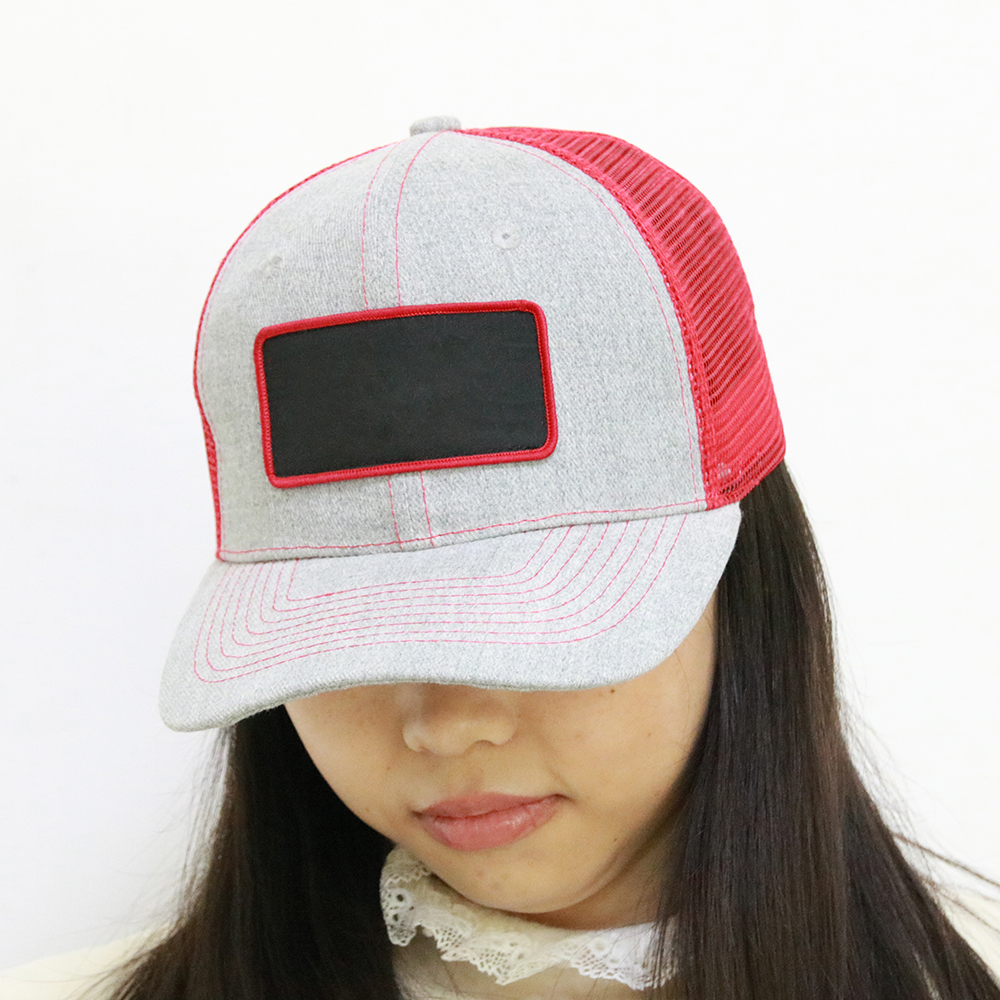
Here’s the gist. A hat with leather patch logo is, quite simply, a cap—think baseball, snapback, or trucker style—that features a small leather emblem stitched or affixed on it. The leather patch typically bears the branding, or sometimes a carefully embossed symbol, crafted to offer more texture and visual appeal than your typical printed logo.
This design connects strongly with modern-day production methods, blending traditional leathercraft with mass market hats. It also intersects with more sustainable fashion trends and the demand for authentic materials. For humanitarian or branding purposes, in industries spanning apparel to nonprofits, such hats provide instant recognition and a tactile impression of quality.
hat with leather patch logo options are also popular for custom branding in numerous sectors, from outdoor equipment companies to charity merchandise.
Key Factors That Make Hats with Leather Patches Stand Out
Durability That Lasts
Leather isn’t just about looks. It ages gracefully, resisting tears and fading unlike many printed logos that wear off in weeks. The patch itself can often survive harsh weather and heavy use, lending practical longevity to the hat. Leather is also known to toughen yet stay supple — giving hats that lived-in vibe that customers crave.
Customization and Branding Flexibility
Brands love the leather patch because it can be embossed, debossed, or laser-engraved, offering a sharp, sophisticated feel impossible to replicate with stitching alone. Plus, the size and location of patches can be tweaked for different hat styles, making it a versatile branding solution.
Eco-friendliness and Ethical Sourcing
In an age obsessed with sustainability, responsibly sourced leather patches paired with organic or recycled fabrics make the whole hat more appealing to eco-conscious consumers. Some vendors even offer vegetable-tanned leather options, a chemical-light alternative that appeals to green shoppers.
Comfort and Wearability
Oddly enough, material matters when it comes to tight hats worn for hours. Leather patches don’t add weight but can reinforce hat structure around the front panel, preventing sagging while staying comfortable. It’s a subtle factor, but hat wearers notice.
Style Versatility
From rugged outdoor caps to chic urban designs, the leather patch complements a wide style spectrum. It can be neutral and minimal or rugged and raw—as diverse as its audience.
How these factors play out:
- More durable hats for workers or outdoor enthusiasts.
- Unique branding for startups and eco-conscious companies.
- Sustainable sourcing aligning with global environmental standards.
- Comfort for long wear times in daily or field use.
Exploring Global Applications of Hats with Leather Patch Logo
Look worldwide, and you’ll see these hats appearing everywhere “work meets lifestyle.” In North America, outdoor sports brands hammer into rugged terrain markets by outfitting their teams with these hats, marrying function with branding.
In Europe, artisans and fashion labels embed local cultural motifs into leather patches, telling stories of heritage on every hat. Asian manufacturers increasingly offer customizable patches to corporate clients, blending modern company logos with traditional craft.
Industrial sectors, like logging in Scandinavia or mining in Australia, endorse these hats as part of their uniform—tough enough to last yet comfortable. Meanwhile, NGOs working in remote development zones often handcraft these hats to build local skills while providing durable promotional gear.
A quick example: After a philanthropic campaign in the Rockies, a brand outfitted rangers and volunteers with these hats, embedding a leather patch that represented conservation efforts—boosting morale and brand visibility all in one.
Advantages & Long-Term Value of Leather Patch Hats
Why do so many engineers, marketers, and designers prefer a hat with leather patch logo? In practical terms:
- Cost Efficiency: Longer-lasting hats mean fewer replacements.
- Sustainability: Use of renewable leather and natural fibers reduces landfill waste.
- Social Impact: Supports artisan leather workers and responsible sourcing.
- Reliability: High-quality materials stand up to demanding environments.
Emotionally, they invoke trust, safety, and a sense of authenticity. People tend to cherish gear that “feels real” — and owning something crafted with leather elevates that feeling.
Product Specification Table
| Specification | Details |
|---|---|
| Material - Hat | Cotton twill or polyester blend |
| Material - Patch | Vegetable-tanned genuine leather |
| Dimensions - Patch | Approx. 2.5 x 2 inches |
| Logo Technique | Embossed with heat pressing |
| Closure Type | Adjustable metal buckle |
| Weight | ~120 grams |
Future Trends & Innovations in Leather Patch Hats
Innovation in this area tends to blend tradition with tech. I’m seeing a few exciting angles:
- Smart Leather: Embedded NFC tags in patches for easy product authentication or brand interaction—think instant links to a product story via your phone.
- Eco-friendly tanning: Advances in chrome-free tanning processes reduce environmental impact while preserving leather’s durability.
- Recycled Leather Blends: More use of shredded leather combined with sustainable fibers creates patches with less waste.
- Customization Tech: On-demand laser engraving allows ultra-quick personalized logos locally, supporting smaller brands and even event merch.
Challenges & Solutions in Using Leather Patch Logos
There are a few speed bumps worth noting:
- Costly Material: Genuine leather isn’t cheap, and that budget constraint can limit small players.
- Animal Welfare Concerns: Ethical sourcing isn’t always guaranteed – brands need transparency.
- Production Lead Time: Crafting embossed patches slows down mass production compared to printed logos.
Solutions? Brands are turning to certified eco-leather suppliers and adopting digital workflows to cut lead times. Plus, many combine leather patches with other sustainable hat components to balance cost.
Vendor Comparison Table: Key Suppliers of Hats with Leather Patch Logo
| Vendor | Patch Material | Customization Options | Production Lead Time | Eco Practices |
|---|---|---|---|---|
| Rongdong Caps | Vegetable-tanned leather | Embossing, engraving, laser cutting | 2-3 weeks | Certified eco-friendly leather |
| Urban Stitch Co. | Chrome-tanned leather | Embossing only | 1-2 weeks | Limited eco credentials |
| EcoPatch Works | Recycled leather blend | Laser engraving, custom die shapes | 3-4 weeks | Strong sustainability focus |
Frequently Asked Questions About Hat with Leather Patch Logo
- Q1: How durable is the leather patch compared to printed logos?
- A1: Leather patches tend to last much longer than printed logos, resisting abrasion and fading better. Over time, they develop a natural patina, enhancing their uniqueness rather than degrading. This durability makes them ideal for active use or outdoor wear.
- Q2: Can I customize my own hat with a leather patch logo?
- A2: Absolutely! Many manufacturers, like Rongdong Caps, offer embossed or laser-engraved customization with low minimum order quantities, perfect for businesses or personal branding.
- Q3: Are hats with leather patches eco-friendly?
- A3: They can be, depending on sourcing. Vegetable-tanned leathers and recycled leather blends are environmentally preferable. Pairing these with organic hats enhances sustainability credentials, increasingly important to consumers.
- Q4: Will the leather patch affect hat comfort?
- A4: Generally, patches are lightweight and won’t affect comfort. Properly affixed patches should also help maintain the hat’s shape, which some wearers find improves fit and feel.
- Q5: What industries benefit most from leather patch hats?
- A5: Outdoor brands, lifestyle apparel companies, NGOs, and corporate promotional teams are prime beneficiaries. The patch lends credibility, toughness, and a story — great for building trust and engagement.
Wrapping It All Up + What’s Next?
In a nutshell, the hat with leather patch logo isn’t a fleeting fad. It’s a carefully crafted blend of style, durability, and story-telling that meets modern demands for sustainability and authenticity. The long-term value touches not only economics, but also emotional connections and brand credibility — a rare trifecta.
Thinking about elevating your brand or personal style? Check out Rongdong Caps for some sharp, eco-conscious options built to last. Because these hats? They’re not just an accessory—they’re an experience.
References:
1. Wikipedia: Leather
2. Statista: Global Headwear Market Revenue
3. ISO: Leather Testing Standards
-
Premium Custom Baseball Caps with Logos for Brand VisibilityNewsApr.16,2026
-
Elevate Your Brand with High Quality Custom Hats with My LogoNewsApr.09,2026
-
Elevate Your Brand with Stylish Custom Company Logo HatsNewsApr.07,2026
-
Elevate Your Brand with Stylish Custom Logo Hats and Promotional HeadwearNewsApr.04,2026
-
Discover the Versatility and Style of the Brown Baseball CapNewsMar.31,2026
-
Elevate Your Style with the Timeless Khaki Baseball HatNewsMar.28,2026
-
Discover the Versatility and Style of the Khaki Baseball CapNewsMar.26,2026