Premium Hat Leather Patch: Durable, Stylish & Customizable Solutions
What Exactly Is a Hat Leather Patch and Why Does It Matter So Much?
If you’ve ever picked up a cap or a beanie and noticed that little rugged leather square or oval sewn onto it, congratulations, you’ve actually encountered a hat leather patch. Now, while it might seem like a minor decorative afterthought, these patches carry weighty significance in fashion, branding, and even durability. Around the world, especially in apparel manufacturing, understanding the role of a hat leather patch is becoming a niche but vital skill. Why? Because it's all about adding style and authenticity while extending the product's lifespan — and also communicating a brand's story without uttering a word.
Global demand for leather products, according to the Statista report, is rising steadily, emphasizing the importance of smaller components like hat leather patches in the bigger apparel ecosystem. Consumers want quality and identity — and sometimes, that little patch quietly carries both.
Mini takeaway: Far from just a generic accent, the hat leather patch plays a nuanced, functional role globally — blending style, durability, and brand expression.
The Global Landscape of the Hat Leather Patch Industry
Globally, leather manufacturing contributes billions of dollars across markets stretching from Italy to India to China. The humble hat leather patch fits snugly in this multibillion-dollar puzzle. Leather garment accessories are expected to expand by roughly 3.5% CAGR between now and 2030 (FashionUnited).
But there’s a catch: with sustainability concerns shaping supply chains, many manufacturers are hunting for a leather patch solution that balances eco-friendliness with rugged wearability. In addition, given the rise of direct-to-consumer brands and ecommerce, patches serve as tactile brand signatures: something customers can “feel” beyond digital pixels.
At the same time, crafting these patches touches on challenges like sourcing sustainable hides, optimizing production costs, and keeping quality consistent. It’s a tricky balancing act almost every hat producer is trying to master.
Mini takeaway: The hat leather patch market is not just about materials— it’s a crossroads of sustainability, brand identity, and manufacturing practicalities.
Defining the Hat Leather Patch: More Than Skin Deep
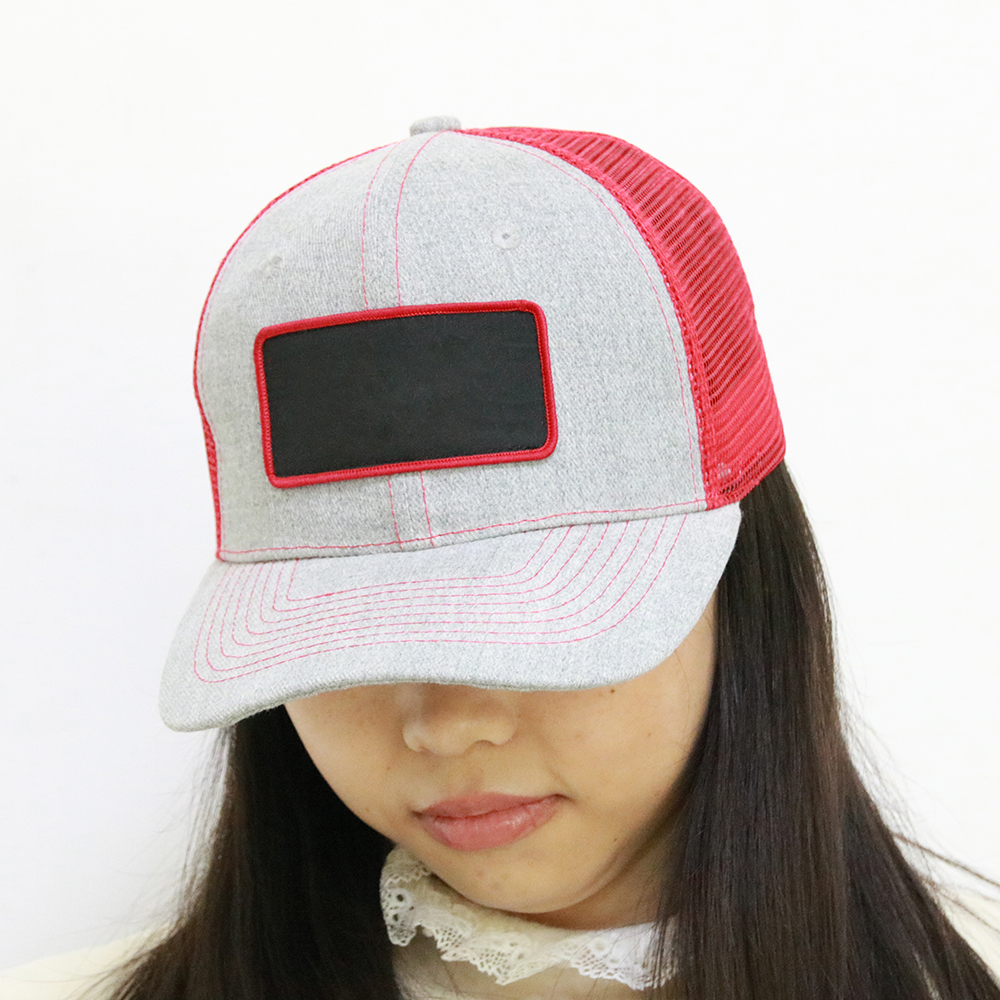
So what exactly is a hat leather patch? Simply put, it’s a piece of leather — often vegetable-tanned or chrome-tanned — cut and shaped to be sewn or heat-pressed on a hat’s exterior. Usually positioned front and center, near the brim or crown, it often carries an embossed or debossed brand logo, artwork, or pattern.
Beyond aesthetics, the patch can protect fabric stress points, prevent fraying, and serve as a tough, water-resistant accent. In fashion circles, leather patches evoke a sense of rugged heritage — think outdoorsy gear, premium streetwear, or vintage styles.
Interestingly, many humanitarian and worker safety hats now use leather patches for added durability in harsh environments, proving the patch isn't just for looks.
Mini takeaway: A hat leather patch blends practical durability with a recognizable style cue that connects with both end-users and brands.
Core Aspects of a Hat Leather Patch: What Goes Into a Quality Patch?
1. Durability
A patch must resist cracking, peeling, or stiffening over time. High-grade leather (like full-grain or top-grain) is preferred, lending natural toughness that synthetics sometimes can't mimic.
2. Craftsmanship
Embossing, stitching quality, edge finishing — all shape how well a patch ages and wears. Some brands invest in laser engraving or hand-stamped designs for a luxe feel.
3. Sustainability
Increasingly, vegetable-tanned leather sourced from responsible tanneries is favored. The industry is also exploring leather alternatives or recycled leather blends for eco-conscious markets.
4. Cost Efficiency
While premium leather elevates the product, small brands often need cost-effective but good-enough patches. Balancing quality with affordability is a common challenge.
5. Scalability & Customization
Mass production demands consistent quality, yet customization (color, shape, logo) matters for brand exclusivity. Some suppliers now provide flexible minimum order quantities, appealing to startups and large brands alike.
Mini takeaway: At the crossroads of durability, style, and ethics, the perfect patch is a small yet sophisticated product that tells a larger story.
Typical Specifications of a Hat Leather Patch
| Specification | Details |
|---|---|
| Material | Full-grain vegetable-tanned leather |
| Size | Commonly 4cm x 4cm to 6cm x 6cm (square/rectangle) |
| Thickness | 2–3 mm |
| Attachment Method | Sewing (standard) or heat-press |
| Finish | Embossed/Debossed logo; optional laser engraving |
| Color Options | Natural tan, dark brown, black, custom dye |
How and Where Hat Leather Patches Are Used Worldwide
From the rugged mountains of Patagonia to urban streetwear hubs like Tokyo and New York, leather patches on hats serve various purposes. In outdoor adventure gear, they indicate quality and toughness, signaling durability to users. In hip-hop culture, a slick patch might be a bold style statement. And in remote industrial zones—from mining camps in Australia to construction sites in Canada—hat leather patches add lasting resilience where hats get brutalized daily.
Humanitarian agencies have also employed leather patches on safety helmets to improve branding and reuseability during disaster relief distribution programs. These patches often withstand dirt, knocks, and water better than paper or fabric labels.
For more on leather accessory applications, visit hat leather patch.
Mini takeaway: From global fashion capitals to remote work camps, the uses of hat leather patches are surprisingly broad and practical.
What Makes Leather Patches a Long-Term Winner?
- Cost-effectiveness: Though the initial cost per patch might be slightly higher than fabric labels, longevity means fewer replacements—saving money in the long run.
- Sustainability: Natural leather biodegrades far better than synthetic alternatives, especially when responsibly sourced.
- Brand trust: A premium patch signals attention to detail and pride, building consumer loyalty.
- Emotional value: For many customers, patches evoke nostalgia and craftsmanship — intangible but powerful.
- Practical resilience: Water resistance and grip ensure the patch stays put and legible through wear and tear.
Mini takeaway: A good leather patch isn’t just a pretty face — it delivers real, lasting value to brands and customers alike.
Emerging Trends and Innovations in Hat Leather Patches
Oddly enough, the leather patch niche isn’t immune to innovation. Eco-leather (made from pineapple leaves, cactus, or mushroom-based materials) is making waves, promising similar durability with lower environmental footprints. Digital embossing technologies enable tiny micro-details and even QR codes stamped invisibly for brand authentication.
Meanwhile, some vendors are experimenting with weatherproof finishes that repel stains and moisture — ideal for expedition hats or motorsport caps. And 3D printing may eventually allow custom patches to be produced on-demand, reducing waste and inventory.
Mini takeaway: The leather patch sector quietly embraces new tech and sustainability without compromising its classic appeal.
Challenges Facing Hat Leather Patch Production and How Experts Are Tackling Them
Naturally, sourcing consistent, high-quality leather is a perennial headache. Supply chain disruptions, price volatility, and environmental scrutiny weigh heavily on manufacturers. Not all tanneries meet international standards like ISO 17065 certification, which complicates ethical sourcing claims.
On the production side, achieving flawless embossing or color uniformity remains a skillful craft rather than an automated process — leading to occasional quality variations.
To counter these issues, many are partnering with certified tanneries, leveraging AI-enabled quality checks, and adopting modular factory lines for flexible batch sizes. It’s exciting to see this blend of tradition and technology solving age-old woes.
Mini takeaway: Challenges persist, but innovation and stricter standards are paving the way for better, more sustainable leather patches.
Comparing Popular Suppliers of Hat Leather Patches
| Supplier | Location | Quality | Customization | MOQ | Lead Time |
|---|---|---|---|---|---|
| Rongdong Cap Co. | China | Premium | High (logos, shape, color) | 100 pcs | 15-20 days |
| LeatherLab USA | USA | High | Medium (standard shapes) | 500 pcs | 20-25 days |
| EcoPatch Co. | Europe | Medium | Low (few colors) | 200 pcs | 25-30 days |
FAQ: Your Top Questions About Hat Leather Patches
Q1: Are hat leather patches waterproof?
While leather itself is naturally water-resistant, it is not fully waterproof. Some patches come with protective coatings or finishes to repel water and stains better. If your hats face harsh, wet environments, ask manufacturers about weatherproof treatments.
Q2: How long does a typical leather patch last on a hat?
With proper care, a high-quality leather patch can last the life of the hat, which is often several years. Over time, natural wear may soften or develop a patina — often considered attractive.
Q3: Can I customize the shape and logo on a hat leather patch?
Yes! Most suppliers offer customization in terms of dimensions, color, embossing or laser engraving logos. Minimum order quantities vary, so plan ahead based on your brand needs.
Q4: Are leather patches eco-friendly?
Traditional leather has environmental impacts, but choosing vegetable-tanned leather or eco-leather options improves sustainability. Many tanneries now hold certifications that ensure responsible practices.
Q5: What's the difference between sewn-on and heat-pressed patches?
Sewn patches tend to be more durable and give a handcrafted feel, while heat-pressed patches are quicker and cheaper to apply but might not last as long, especially with frequent washing.
Wrapping It Up: Why Investing in a Hat Leather Patch Is Smart
Whether you're a brand looking to boost your hat’s appeal or a manufacturer focused on durability, the humble hat leather patch offers a surprisingly rich mix of benefits. From elevating style and safeguarding your gear to embracing sustainability trends and fine craftsmanship, it’s one of those small touches with outsized impact.
Thinking about upgrading your product line or curious about suppliers? Feel free to browse our full collection of hat leather patch options — you might be pleasantly surprised how this simple component can become your brand’s signature accent.
References
-
Premium Custom Baseball Caps with Logos for Brand VisibilityNewsApr.16,2026
-
Elevate Your Brand with High Quality Custom Hats with My LogoNewsApr.09,2026
-
Elevate Your Brand with Stylish Custom Company Logo HatsNewsApr.07,2026
-
Elevate Your Brand with Stylish Custom Logo Hats and Promotional HeadwearNewsApr.04,2026
-
Discover the Versatility and Style of the Brown Baseball CapNewsMar.31,2026
-
Elevate Your Style with the Timeless Khaki Baseball HatNewsMar.28,2026
-
Discover the Versatility and Style of the Khaki Baseball CapNewsMar.26,2026