Reliable Trucker Cap Supplier – Quality, Customization & Global Supply Solutions
Why Finding the Right Trucker Cap Supplier Matters Globally
It’s a bit funny how something as simple as a trucker cap ends up being an essential product across industries and around the world. Beyond being just a fashion statement, these caps serve functional roles in safety, marketing, and brand identity, especially for businesses dealing with logistics, construction, and outdoor tasks. But why focus on a trucker cap supplier specifically? Globalization and fast-moving supply chains demand reliable, cost-effective sourcing of gear that meets both quality and sustainability standards. Luckily, knowing the ins and outs of the trucker cap supplier landscape can save companies headaches, ensure worker safety, and even boost brand recognition with customizable designs. Let’s dive into what makes these suppliers tick, why it matters on the global stage, and what you should really consider when choosing one.
Introduction: The Global Context of Trucker Cap Suppliers
Did you know that the headwear market is expected to grow steadily over the next decade, partly thanks to rising demand for functional and promotional caps? According to World Bank data, the apparel and textile sector employs tens of millions worldwide, and within that, trucker caps hold a unique niche. Countries in Asia like China, Bangladesh, and Vietnam are major production hubs, catering to global demand with competitive prices. But this volume sometimes comes at the cost of quality or worker welfare—a challenge suppliers and buyers increasingly confront.
The challenge for many businesses is how to source from ethical suppliers who also offer customization, durability, and reliable delivery. A trusted trucker cap supplier can balance these needs, helping brands connect with audiences while tracking compliance with international labor and environmental standards (think ISO 14001 or SA8000 certifications).
Mini Takeaway
- Trucker caps are a surprisingly strategic product globally.
- The supply chain involves complex challenges around ethics, quality, and speed.
- Choosing the right supplier can make or break brand reputation.
What Exactly Is a Trucker Cap Supplier?
In the simplest terms, a trucker cap supplier
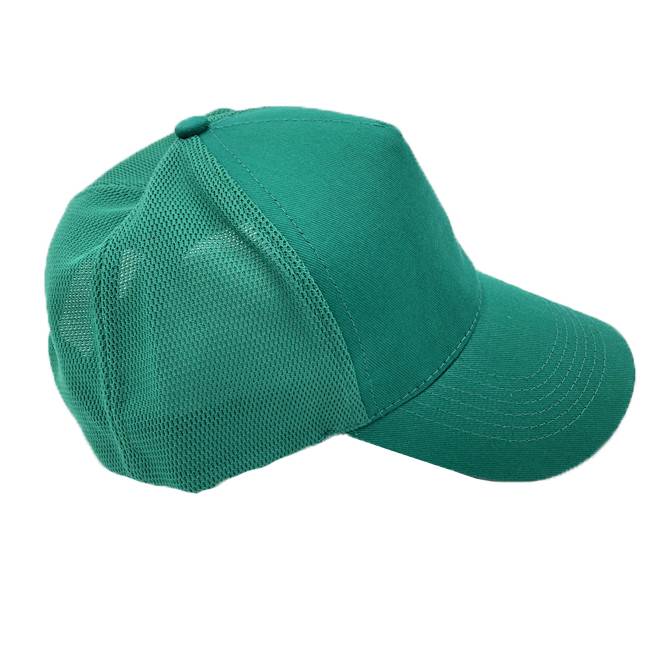
manufactures and/or distributes trucker caps—those iconic baseball-style hats with foam fronts and mesh backs designed originally for drivers to keep cool in hot cabins.
Today, suppliers often provide bulk caps to companies needing branded promotional items or durable headwear for workers exposed to sun and dust. Their role spans designing basic caps, sourcing materials (like polyester mesh or cotton twill), to managing logistics from factory floor to warehouse dock. Because many industries—from transport to hospitality—use these hats, a good supplier ensures consistency in size, colorfastness, and print quality.
Mini Takeaway
- A trucker cap supplier is more than just a hat maker; it’s a strategic partner in branding and safety.
- They must juggle design, materials sourcing, and timely delivery to meet diverse client needs.
Core Components That Define a Reliable Trucker Cap Supplier
1. Quality & Durability
It's no secret that poorly made caps peel colors or rip mesh easily—especially in outdoor work. The best suppliers use fade-resistant threads, sturdy mesh backs, and reinforced stitching that can handle rough handling. For industrial clients, durability correlates directly with worker safety and branded image.
2. Customization Capability
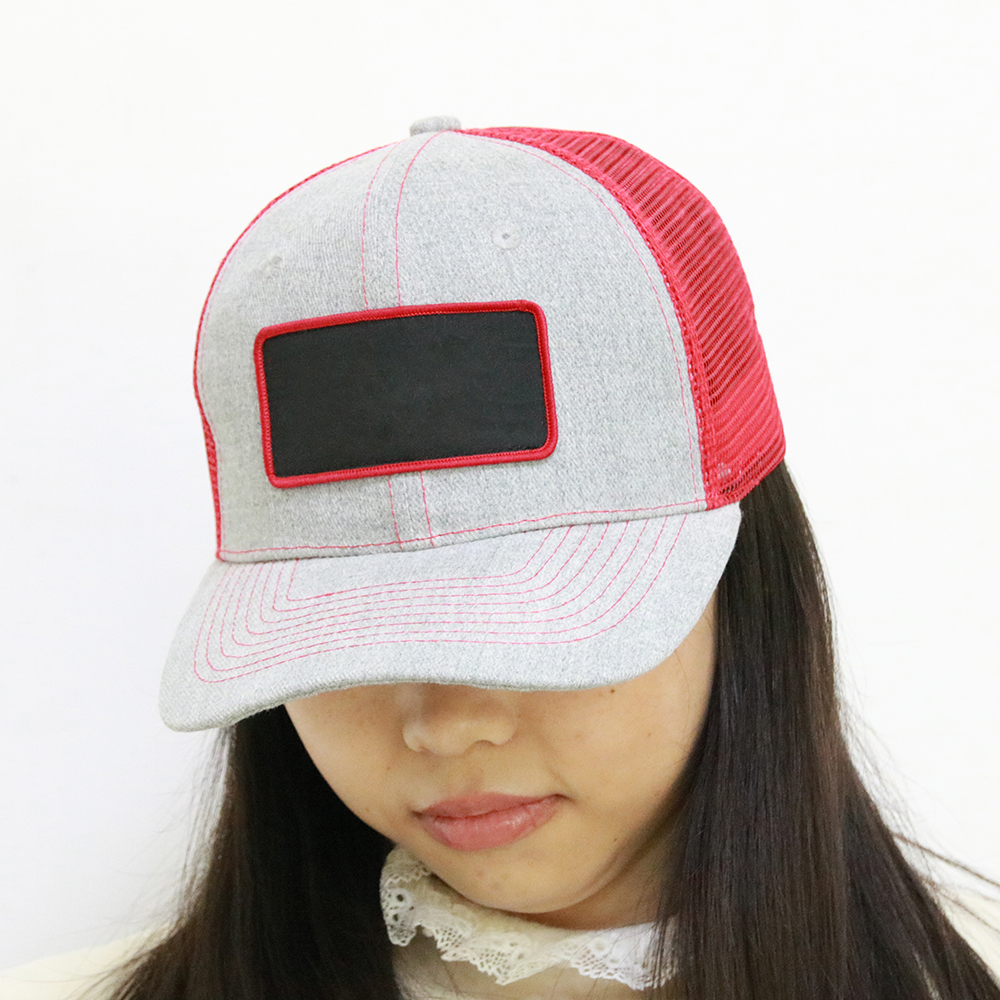
Most trucker caps sold today feature logos, slogans, or unique colors. Suppliers who can support embroidery, screen printing, puff ink, and even patch attachments offer true value. Custom runs versus mass production mean dealing with variable order sizes—a real test of a supplier’s flexibility.
3. Ethical & Sustainable Practices
In 2024, sourcing from factories that enforce ethical labor practices is no longer optional. Sustainability trends push suppliers to use recycled fabrics, low-impact dyes, and greener shipping methods. The alignment with UN’s Sustainable Development Goals (SDGs) adds credibility—something emerging brands particularly appreciate.
4. Supply Chain Reliability
One could write volumes about delays and dwindling inventories—logistics in the supply chain are the hidden heartbeat. A supplier who can manage production timelines, offer buffer stock, and communicate proactively is worth their weight in gold.
5. Price Competitiveness
When margins shrink, every penny counts. Suppliers that balance cost with quality—without cutting corners—attract more business in a saturated market.
| Feature | Specification |
|---|---|
| Material | Front: 100% polyester foam / Back: 100% polyester mesh |
| Panel Type | 5-panel |
| Adjustable Strap | Plastic snapback closure |
| Logo Options | Embroidery, print, patches |
| Weight | Approximately 60 grams |
| Color Range | Custom colors per Pantone matching |
Mini Takeaway
- Durability and quality materials are foundations for trust.
- Customization and ethical practices set suppliers apart.
- Reliable logistics keep business smooth and stress-free.
How Trucker Cap Suppliers Serve Different Markets Around the World
It's odd how a humble hat connects vastly different contexts. In North America, logistics companies outfit their drivers with caps that double as sun protection and moving billboards. In Europe, hospitality chains give fashionable branded caps as giveaways, crafting guest loyalty without high cost. Meanwhile, Asia-Pacific regions see mass production hubs where local manufacturers export millions of caps yearly.
Take post-disaster relief operations: emergency responders often rely on breathable, adjustable trucker caps to keep volunteers safe in intense sun without overheating. Meanwhile, in remote mining or agricultural operations from Australia to South America, durable headwear is essential PPE – protecting workers while clearly displaying company brands for external compliance and internal culture.
Mini Takeaway
- Trucker caps have versatile uses beyond fashion.
- They improve safety and branding across industries globally.
- Suppliers must understand unique regional requirements to serve clients best.
Advantages and Long-Term Value of a Trusted Trucker Cap Supplier
Frankly, supplier reliability is key for business continuity. When companies can trust their trucker cap supplier to deliver consistent quality and timely shipments, it reduces inventory headaches and customer complaints. Plus, investing in sustainable materials signals corporate responsibility—a growing expectation from consumers and partners alike.
On a more human note, providing workers with comfortable, well-fitting, and visually appealing caps can boost morale and safety. A durable trucker cap isn’t just protection; it’s a badge of belonging and identity. Some leaders report that employees wearing branded caps feel more connected to the mission. It’s a small thing, but it makes a real difference.
Emerging Trends and Innovations in Trucker Cap Supplies
What surprises many is how swiftly this ‘simple’ product has evolved. Suppliers increasingly adopt laser cutting technology, digital embroidery, and greener fabrics like recycled polyester or organic cotton blends. Smart textiles that wick sweat or block UV rays are becoming mainstream.
Couple that with digital transformation—online platforms now enable easier customization previews, bulk order management, and direct communication with factories. Automation is streamlining production, reducing lead times, and lowering costs, meaning suppliers can offer increasingly complex designs without huge price hikes.
Challenges & How Innovation Offers Solutions
Of course, not everything is smooth sailing. Common challenges include supply chain disruptions (hello, COVID-19 aftermath), volatile material costs, and compliance audits. Some suppliers struggle to scale customization without sacrificing delivery speed.
The good news? More suppliers invest in diversified sourcing strategies, combining regional factories to balance risks. Blockchain and IoT tech are slowly being tested to track provenance and ensure ethical standards. It's a slow path, but one that will make choosing a supplier more transparent and trustworthy.
Frequently Asked Questions About Trucker Cap Supplier
- Q: How do I know if a trucker cap supplier offers ethical production?
- A: Look for certifications like SA8000 or ISO audit reports. Suppliers transparently sharing factory conditions and labor policies usually signal ethical practices.
- Q: Can suppliers handle small custom orders?
- A: Many modern suppliers accommodate orders as low as 50-100 units, but prices per unit may be higher than bulk runs. It’s all about flexibility.
- Q: What customization options are commonly available?
- A: Embroidery, screen printing, patches, color matching, and adjustable closures are standard. Some suppliers even offer unique features like reflective strips or sweat-wicking liners.
- Q: How long does typical delivery take from order to shipping?
- A: Depending on location and complexity, 3-6 weeks is common. Accelerated services exist but often increase costs.
- Q: Are recycled materials used in trucker caps truly durable?
- A: Yes, advances in recycled polyester mean durability and colorfastness can rival or exceed virgin materials, while reducing environmental impact.
Vendor Comparison: Quick Look at Leading Trucker Cap Suppliers
| Supplier | Customization | Sustainability | Min Order Qty | Typical Lead Time |
|---|---|---|---|---|
| Supplier A | Embroidery, Screen Print | Recycled Polyester options | 100 units | 4 weeks |
| Supplier B | Embroidery, Patches, Digital Print | ISO14001 Certified Factories | 250 units | 5-6 weeks |
| Supplier C | Screen Printing Only | No specific eco certifications | 500 units | 3 weeks |
Wrapping Up: Why Your Choice of Trucker Cap Supplier Counts
At the end of the day, picking a trucker cap supplier isn’t just a transaction—it's a partnership. Reliable caps protect workers, promote brands, support sustainability, and can even save money in the long run. Whether you’re ordering a few dozen for a small business or thousands for global distribution, understanding the qualities that define the best suppliers will help you avoid surprises.
If you're on the lookout for a trusted partner who balances quality, customization, ethical production, and supply chain reliability, consider reaching out to a reputable trucker cap supplier today. They can help refine your order specifications and align your branding goals with their production capabilities—in a nutshell, making your job easier.
References:
-
Premium Custom Baseball Caps with Logos for Brand VisibilityNewsApr.16,2026
-
Elevate Your Brand with High Quality Custom Hats with My LogoNewsApr.09,2026
-
Elevate Your Brand with Stylish Custom Company Logo HatsNewsApr.07,2026
-
Elevate Your Brand with Stylish Custom Logo Hats and Promotional HeadwearNewsApr.04,2026
-
Discover the Versatility and Style of the Brown Baseball CapNewsMar.31,2026
-
Elevate Your Style with the Timeless Khaki Baseball HatNewsMar.28,2026
-
Discover the Versatility and Style of the Khaki Baseball CapNewsMar.26,2026