Reliable Trucker Hat Supplier: Quality, Customization & Global Reach
What’s a Trucker Hat Supplier, and Why Should You Care?
At first glance, a trucker hat supplier might sound like a very niche, straightforward kind of business — and it is. But when you consider the sprawling global fashion market, the supply chains behind headwear trends, and the cultural significance these hats hold, it suddenly feels a bit more important. Plus, they’re everywhere: on the daily commuter, the music festival wanderer, delivery drivers, and trendsetters alike. Understanding what a trucker hat supplier does offers a window into manufacturing, logistics, and the evolving tastes of millions worldwide.
The Global Landscape of Trucker Hat Supply
Did you know that the global hat and cap market was valued at roughly $7 billion dollars as of the last few years? While headwear comes in all shapes and sizes, trucker hats represent a significant slice, particularly in casual and sports apparel. According to data from the International Organization for Standardization (ISO) and trade reports, Asia leads in production due to cost-effective manufacturing hubs. But beyond production, there’s a slew of challenges—ranging from sustainable materials sourcing to meeting fluctuating international demand. Enter the trucker hat supplier, an essential cog in this vast machine.
One major challenge is balancing supply with rapidly changing fashion trends. Plus, geopolitical tensions and shipping delays can seriously mess with timelines. A reliable trucker hat supplier helps brands, retailers, and distributors navigate these hurdles while maintaining quality and cost efficiency.
What Exactly Is a Trucker Hat Supplier?
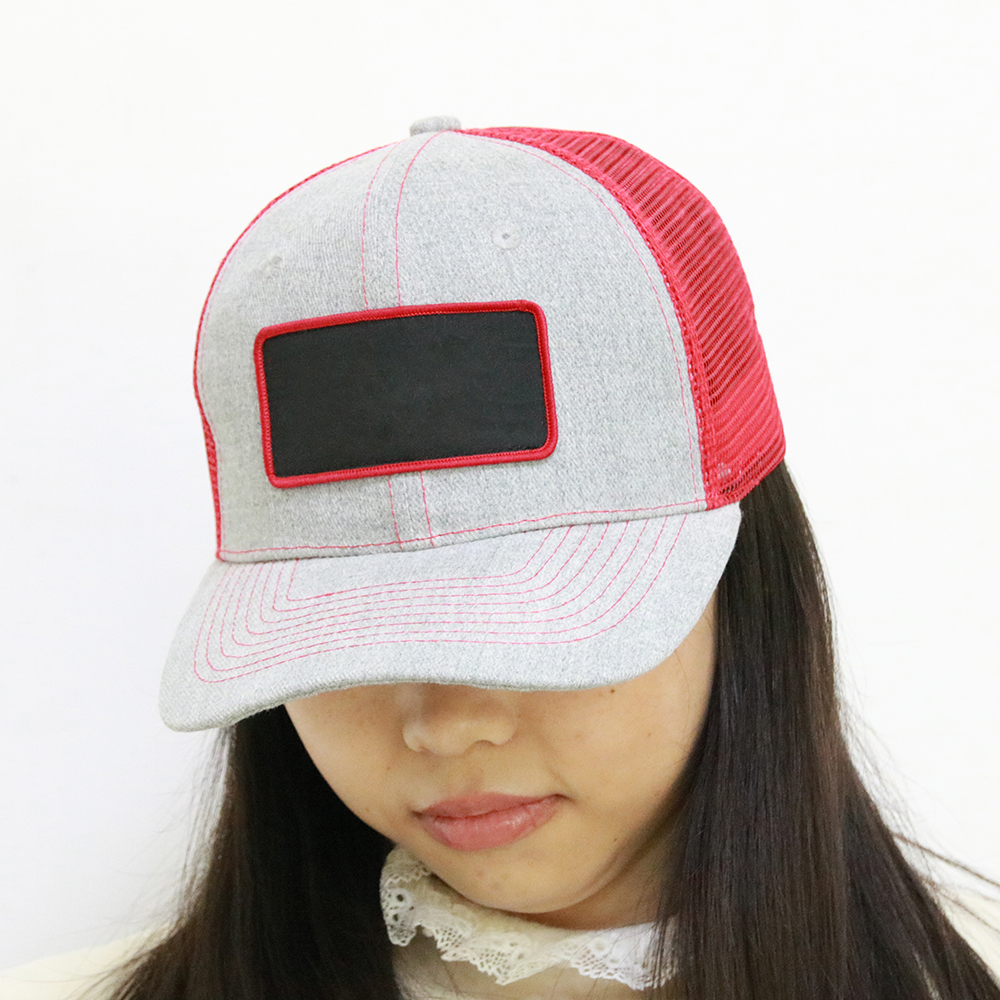
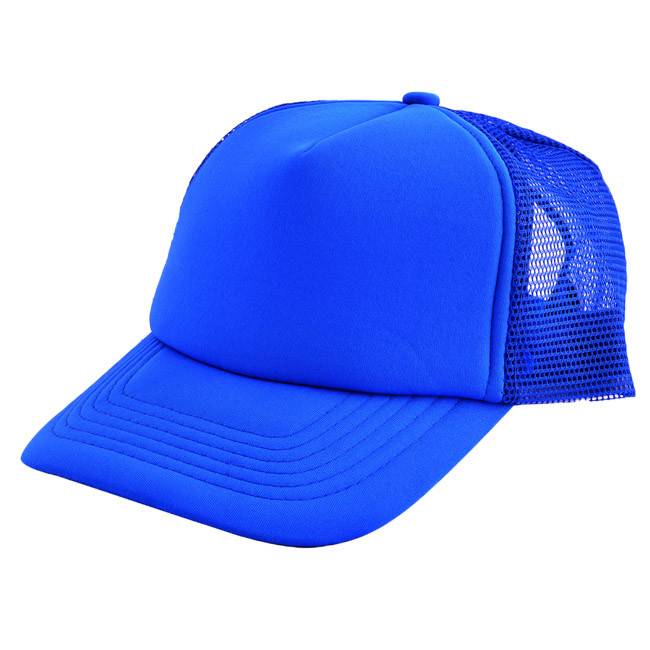
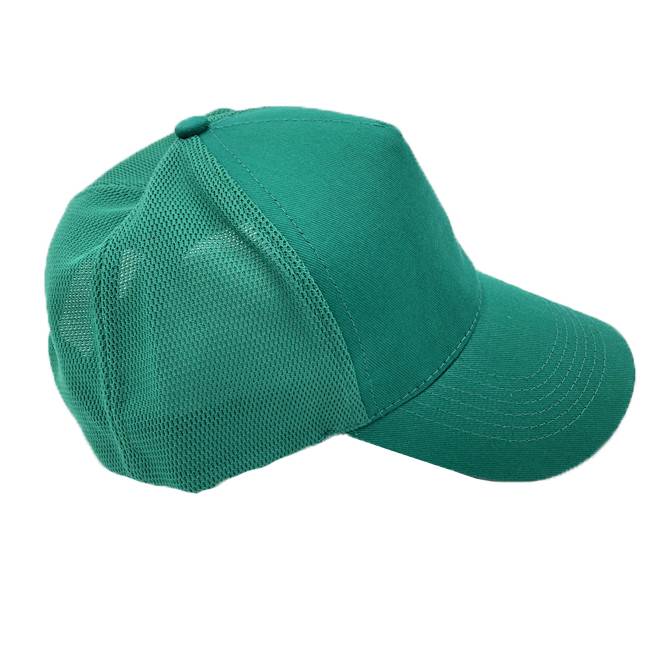
Simply put, a trucker hat supplier is a company or manufacturer that designs, produces, and distributes trucker hats to wholesalers, retailers, or directly to consumers. Trucker hats are distinctive with their breathable mesh back panels and adjustable snap closures, designed originally for the long-haul drivers who needed ventilation on the road (hence the name).
But these suppliers do more than just produce stock hats. Many offer customization options, from embroidered logos to various fabric choices, catering to brands wanting that personal touch or unique story to sell. Their work connects fashion, industrial textiles, and even humanitarian needs — for example, supplying durable, comfortable headwear for outdoor workers or promotional apparel for NGOs.
Core Components and Factors Behind Great Trucker Hat Supply
1. Quality & Material Durability
The mesh backing is critical — polyester is often favored for breathability and sturdiness, while the front panel may use cotton, nylon, or blended fabrics. Suppliers vet these materials to balance comfort with longevity. A well-made trucker hat can retain shape through regular wear, sun exposure, and countless washes.
2. Scalability and Flexible Production
Brands often want to order hundreds or thousands of hats — so the supplier's capacity matters a lot. Agile factories can handle rush orders or scale production seasonally without compromising quality.
3. Customization Capabilities
Embroidery, patchwork, color choices, and even sustainable fabric options: these features let suppliers cater to brand identities. This is where creativity meets manufacturing expertise, and many suppliers invest in advanced machinery to offer varied customization.
4. Compliance & Ethical Sourcing
Leading suppliers comply with labor, environmental, and safety standards (think ISO 9001 and ISO 14001 certifications). Responsible sourcing adds trust for brands conscious of their footprints.
5. Cost Efficiency
Of course, price competitiveness is vital. Finding that sweet spot between high quality and affordability drives supplier choice.
| Specification | Typical Feature | Notes |
|---|---|---|
| Material (Front Panel) | 100% Cotton / Polyester Blend | Balance durability & comfort |
| Mesh Back | Polyester Mesh | Breathability, ventilation |
| Closure Type | Plastic Snapback / Hook & Loop | Adjustable sizing |
| Customization | Embroidery, Patches, Print | Brand logos & designs |
| Certification | ISO 9001 / 14001 | Quality and environmental standards |
Worldwide Use Cases: More Than Just a Fashion Statement
Trucker hats may be fashion staples in North America and Japan, but their function extends far beyond that. In remote industrial hubs—like mining operations in Australia or oil fields in the Middle East—these hats protect workers from sun exposure while allowing airflow, which is critical in harsh climates. Similarly, NGOs distribute customized trucker hats during humanitarian campaigns for visibility and sun protection in outdoor community programs.
Sports teams and event organizers in Europe and South America also rely heavily on customized trucker hats as merchandise — proof of a supplier’s ability to handle bulk with varied styles. And oddly enough, fashion-forward cities like Seoul and London have helped reinvent the trucker hat with bold designs, reviving demand globally.
Comparing Top Trucker Hat Suppliers
| Supplier | Production Capacity | Customization Options | Pricing | Sustainability Focus |
|---|---|---|---|---|
| Alpha Caps Co. | 50,000 units/month | Embroidery, Print | Mid-range | Limited |
| EcoHeadwear Ltd. | 30,000 units/month | Organic Fabrics, Embroidery | Premium | Strong (ISO 14001) |
| Rapid Caps Supply | 75,000 units/month | Print, Patchwork | Budget | Minimal |
| Rongdong Cap Industries | 60,000 units/month | Embroidery, Print, Custom Fabrics | Competitive | Moderate (ISO 9001) |
Why Invest in a Trusted Trucker Hat Supplier? Advantages & Value
Trusted suppliers offer:
- Reliable timelines: Avoid missed product launches or inventory gaps.
- Consistent quality: Your brand’s reputation rides on your merch and apparel.
- Customization: Create unique caps that resonate emotionally with your audience.
- Sustainability: Many customers now expect eco-conscious manufacturing.
- Cost benefits: Bulk orders and steady supply typically translate to better pricing.
On the emotional side — a good supplier helps brands build trust with their consumers, making each hat more than just a cap but a symbol, a relationship piece.
The Future is Bright (and Sustainable) for Trucker Hat Supply
Innovations are shaping this sector quietly but surely:
- Eco-friendly fabrics: Biodegradable polymers and organic cotton replacing traditional synthetics.
- Digital customization: Smaller batches with rapid design changes using digital embroidery machines.
- Smart textiles: Hats with UV sensing or sweat-wicking innovations.
- Automation: AI-managed logistics cutting shipping times and errors.
Suppliers invested in these trends stay attractive, especially to younger, sustainability-conscious consumers.
Challenges and Smart Fixes
Common challenges include:
- Material sourcing volatility: Cotton price swings or polyester shortages.
- Quality control lapses: Inconsistent stitching or fabric flaws that hurt brand perception.
- Global shipping delays: Pandemic-era logistics setbacks linger.
Solutions range from diversified supplier networks to on-site audits, and new partnerships with local fabric mills to reduce lead times. Some companies leverage blockchain for transparency and traceability.
FAQ: Your Top Questions About Trucker Hat Suppliers
Q1: How quickly can a trucker hat supplier fulfill large orders?
Most suppliers can handle volumes from 5,000 to 50,000 units per month, with lead times ranging from 3 to 8 weeks depending on customization complexity. Expedited options often exist but might increase costs.
Q2: Are sustainable trucker hats more expensive?
Sustainably made hats generally cost more due to organic materials and stricter manufacturing standards. However, many suppliers offer competitive pricing as eco-friendly fabrics become mainstream.
Q3: Can I get custom logos embroidered on trucker hats?
Absolutely. Most suppliers offer embroidery or patch application services. File preparation usually requires vector graphics to ensure crisp designs.
Q4: How do I choose the right supplier for my brand?
Consider production capacity, quality certifications (ISO 9001/14001), customization capabilities, and customer reviews. Visiting the factory or requesting samples helps too.
Q5: Is it possible to order international shipments directly?
Many trucker hat suppliers provide international shipping, with options for FOB or CIF contracts. They often handle export paperwork, but working with a freight forwarder can smooth customs clearance.
References
-
Premium Custom Baseball Caps with Logos for Brand VisibilityNewsApr.16,2026
-
Elevate Your Brand with High Quality Custom Hats with My LogoNewsApr.09,2026
-
Elevate Your Brand with Stylish Custom Company Logo HatsNewsApr.07,2026
-
Elevate Your Brand with Stylish Custom Logo Hats and Promotional HeadwearNewsApr.04,2026
-
Discover the Versatility and Style of the Brown Baseball CapNewsMar.31,2026
-
Elevate Your Style with the Timeless Khaki Baseball HatNewsMar.28,2026
-
Discover the Versatility and Style of the Khaki Baseball CapNewsMar.26,2026