The 3 panel cap, a seemingly simple headwear item, represents a significant facet of the global apparel industry. Its versatility, spanning from casual fashion to functional workwear, contributes to a multi-billion dollar market. The demand for customized 3 panel caps, especially within promotional sectors and specialized industries, fuels continuous innovation in materials, manufacturing processes, and design. Understanding its production and supply chain is crucial for businesses seeking competitive advantages in a dynamic global landscape.
The global cap and hat market is projected to reach substantial growth in the coming years, with 3 panel caps playing a key role due to their cost-effectiveness and adaptability. The rise of e-commerce and direct-to-consumer brands has further amplified the demand for unique and personalized cap designs. Addressing challenges like sustainable sourcing and ethical manufacturing within the 3 panel cap industry is increasingly important for both brands and consumers.
The 3 panel cap serves as a microcosm of broader manufacturing trends, reflecting both opportunities and challenges faced by the textile and apparel sector. Its production processes exemplify the need for streamlined supply chains, efficient resource utilization, and a commitment to quality control, mirroring the demands of a competitive global market.
The Global Significance of 3 Panel Caps
The 3 panel cap has become a globally recognized symbol of casual style, workwear functionality, and brand promotion. From sporting events to corporate giveaways, its adaptability has ensured its continued relevance in diverse cultural contexts. The United Nations Comtrade database indicates a steady global trade volume in headwear, with 3 panel caps representing a significant portion of this market, particularly in regions with strong apparel manufacturing sectors.
A significant challenge within the 3 panel cap industry centers around ensuring ethical and sustainable production practices. Concerns regarding labor conditions, environmental impact, and material sourcing necessitate a focus on transparency and responsible manufacturing. The demand for eco-friendly materials, such as organic cotton and recycled polyester, is increasing, driving innovation in textile technology and supply chain management.
Defining the 3 Panel Cap
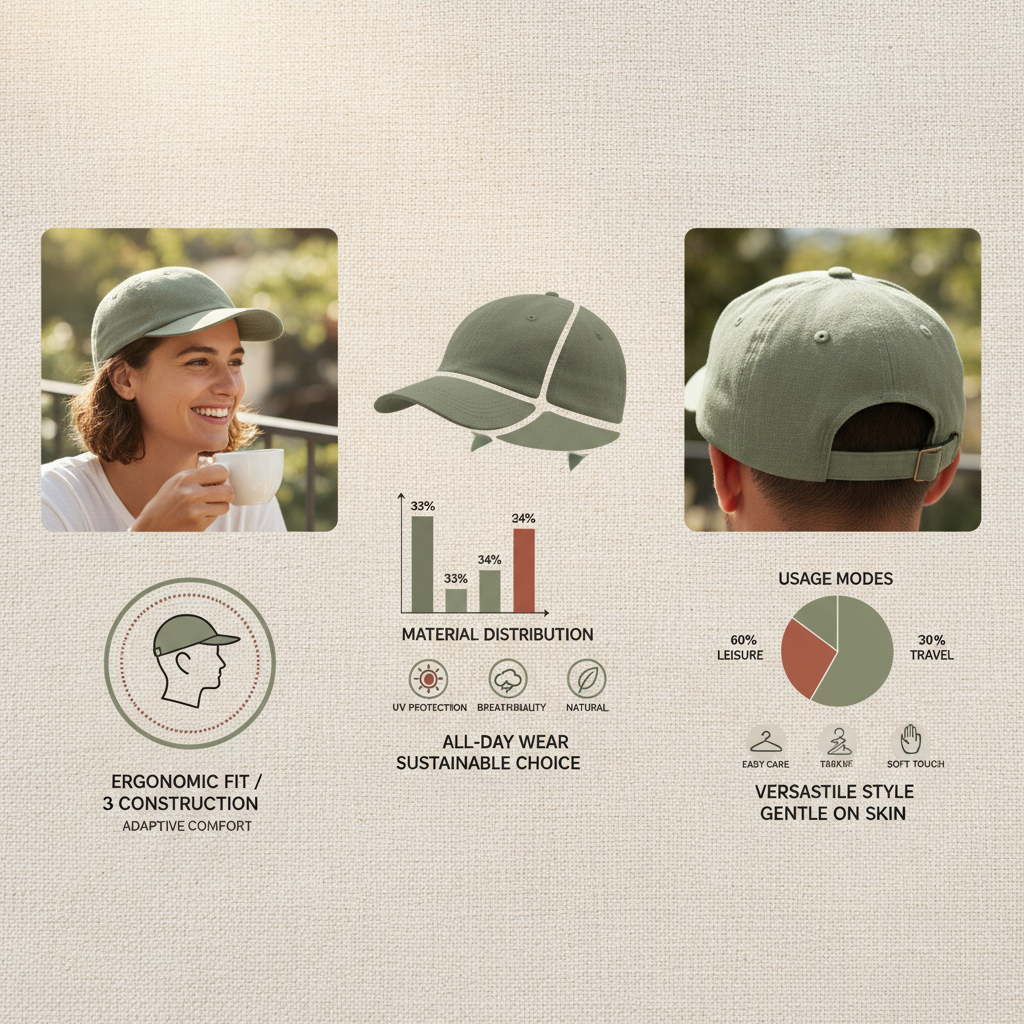
A 3 panel cap is a type of baseball cap constructed from three fabric panels sewn together, forming the crown of the hat. Unlike traditional 6-panel caps, the 3-panel design offers a lower profile and a more streamlined appearance. This simpler construction method often translates to cost-effectiveness and faster production times.
The connection to modern industry lies in its adaptability to branding and customization. Businesses utilize 3 panel caps as a versatile promotional tool, easily incorporating logos, slogans, and designs. This is prevalent across industries from retail and hospitality to construction and agriculture, making it a staple in uniform and merchandise offerings.
Its relevance extends beyond commercial applications; 3 panel caps are frequently used in outdoor activities, providing sun protection and a casual style element. The simplicity of the design allows for a broad range of materials and embellishments, catering to diverse aesthetic preferences and functional needs.
Core Components of 3 Panel Cap Production
The production of a 3 panel cap relies on several key components, beginning with fabric selection. Common materials include cotton twill, polyester, and blended fabrics. The choice of fabric impacts the cap’s durability, breathability, and overall aesthetic. The quality of the fabric directly correlates to the final product's price point and longevity, making sourcing a critical aspect of production.
Another crucial element is the bill or visor, typically constructed from plastic or cardboard reinforced with fabric. The bill provides sun protection and adds to the cap’s structural integrity. The quality of the bill's materials and construction directly impacts its shape retention and resistance to bending or breaking. Proper bill attachment to the cap’s crown is essential for a durable and aesthetically pleasing finish.
Embroidery or printing techniques are vital for customization and branding. Direct embroidery offers a premium look and feel, while screen printing provides a cost-effective solution for simpler designs. The durability of the embroidery or print depends on the quality of the thread or ink, as well as the skill of the operator. Finally, the closure type—whether adjustable plastic strap, metal buckle, or fitted—affects comfort and fit.
Key Performance Indicators in 3 Panel Cap Manufacturing
Measuring key performance indicators (KPIs) is essential for optimizing 3 panel cap manufacturing processes. One crucial KPI is 'First Pass Yield' (FPY), representing the percentage of caps produced without defects on the first attempt. A high FPY indicates efficient production and minimal waste. Another important metric is ‘Production Cycle Time’, measuring the total time required to manufacture a single cap, from fabric cutting to final inspection.
'Cost Per Unit' is also fundamental, encompassing all material and labor costs associated with producing each cap. Reducing this cost requires optimizing material sourcing, streamlining production processes, and minimizing waste. Effective monitoring of these KPIs enables manufacturers to identify areas for improvement and enhance overall efficiency.
3 Panel Cap Manufacturing Performance
Applications Across Industries
The versatility of the 3 panel cap makes it a popular choice across a broad range of industries. In the promotional products sector, they are widely used for brand awareness campaigns and corporate events, offering a cost-effective and highly visible marketing tool.
The agricultural industry often utilizes 3 panel caps as part of worker uniforms, providing sun protection and a professional appearance. Similarly, in construction and manufacturing, they serve as practical headwear, protecting workers from debris and harsh weather conditions. Within the fashion retail space, they are a staple accessory, catering to casual and streetwear trends.
Advantages and Long-Term Value
The key advantage of the 3 panel cap lies in its cost-effectiveness, stemming from its simpler construction compared to 6-panel caps. This translates to lower production costs and competitive pricing. Furthermore, the streamlined design allows for faster production turnaround times, enabling manufacturers to respond quickly to market demands.
Long-term value is derived from its durability and adaptability. When constructed with high-quality materials, a 3 panel cap can withstand regular use and maintain its shape and appearance. The versatility of the design also ensures its continued relevance across evolving fashion trends and promotional applications, providing a lasting return on investment.
Future Trends and Sustainable Practices
The future of 3 panel cap manufacturing is increasingly focused on sustainability. The adoption of recycled materials, such as recycled polyester derived from plastic bottles, is gaining momentum, reducing reliance on virgin resources. Furthermore, advancements in dyeing technologies are minimizing water consumption and reducing the use of harmful chemicals.
Digital printing techniques are also transforming the industry, enabling on-demand production and eliminating the need for large minimum order quantities. This reduces waste and allows for greater customization options. The implementation of blockchain technology can enhance supply chain transparency, ensuring ethical sourcing and responsible manufacturing practices.
We also anticipate a rise in bio-based fabrics, such as those derived from agricultural waste, offering a more sustainable alternative to conventional materials. These innovations reflect a broader industry shift towards circular economy principles and a commitment to environmental stewardship.
Challenges and Mitigation Strategies
A primary challenge in 3 panel cap production is maintaining consistent quality across large-scale manufacturing runs. Variations in fabric tension, stitching accuracy, and embroidery quality can lead to defects and inconsistencies. Implementing rigorous quality control procedures and investing in automated inspection systems are crucial for mitigating this issue.
Another challenge is managing the complexities of global supply chains. Disruptions in material sourcing, transportation delays, and geopolitical instability can impact production schedules and increase costs. Diversifying suppliers and establishing strong relationships with key partners are essential for building resilience.
Finally, addressing concerns about labor practices and ethical sourcing remains paramount. Implementing independent audits, ensuring fair wages and safe working conditions, and prioritizing transparency throughout the supply chain are critical steps towards responsible manufacturing.
A table summarizing solutions to common 3 panel cap manufacturing issues
| Issue |
Impact on 3 Panel Cap Production |
Proposed Solution |
Implementation Cost (1-10) |
| Inconsistent Fabric Quality |
Variations in color, texture, and durability. |
Implement stringent fabric inspection procedures; diversify fabric suppliers. |
4 |
| Supply Chain Disruptions |
Delays in material delivery; increased production costs. |
Establish backup suppliers; maintain buffer stock of critical materials. |
6 |
| Labor Practice Concerns |
Reputational damage; ethical sourcing issues. |
Conduct regular factory audits; ensure fair wages and safe working conditions. |
7 |
| Low Production Efficiency |
High manufacturing costs; delayed order fulfillment. |
Invest in automation; optimize production workflows; provide employee training. |
8 |
| Quality Control Issues |
Defective products; increased return rates. |
Implement automated inspection systems; enhance employee training; establish clear quality standards. |
5 |
| Rising Material Costs |
Decreased profit margins; reduced competitiveness. |
Negotiate long-term contracts with suppliers; explore alternative materials; optimize fabric utilization. |
5 |
FAQS
The primary difference lies in the construction. A 3 panel cap uses three fabric pieces for the crown, resulting in a lower profile and a more streamlined look. 6 panel caps have six pieces, offering a more structured and traditional baseball cap shape. 3 panel caps are often simpler to manufacture and offer a different aesthetic. They also tend to be more adaptable for unique embroidery placements.
Common materials include cotton twill, polyester, and various blends of these fabrics. Increasingly, manufacturers are utilizing recycled polyester, organic cotton, and other sustainable materials. The bill of the cap is often made from plastic or cardboard, with fabric covering for durability and aesthetics. The choice of material significantly impacts the cap's cost, durability, and overall feel.
Customization options typically include embroidery, screen printing, and heat transfer. Embroidery provides a high-quality, durable finish, ideal for logos and intricate designs. Screen printing is a cost-effective option for simpler designs. You can also customize the cap's color, closure type, and materials to align with your brand identity. Working with a reputable cap manufacturer will ensure a high-quality and accurate customization process.
Production lead time varies depending on the order quantity, customization complexity, and the manufacturer's current workload. Typically, a standard order can take anywhere from 2-4 weeks for production, plus additional time for shipping. Larger or more complex orders may require longer lead times. Always confirm lead times with your chosen manufacturer before placing an order.
Look for manufacturers that prioritize ethical labor practices and sustainable materials. Inquire about their factory audits and certifications, such as WRAP or Fair Trade. Opt for caps made from recycled or organic materials. Transparency in the supply chain is crucial. Ask about the origin of the materials and the manufacturing process to ensure responsible sourcing.
The MOQ varies significantly between manufacturers. Some may have a minimum order quantity of 25 pieces, while others may require a minimum of 100 or more. The MOQ often depends on the complexity of the customization and the manufacturer's production capabilities. It is always best to confirm the MOQ with your chosen supplier before proceeding with an order. Some companies may offer lower MOQs for simpler designs or pre-designed caps.
Conclusion
The 3 panel cap, despite its simplicity, represents a dynamic intersection of fashion, functionality, and manufacturing innovation. From its cost-effectiveness and adaptability to the growing emphasis on sustainable production practices, this headwear staple continues to evolve. Understanding the core components, application across industries, and future trends empowers businesses to make informed decisions and leverage the potential of this versatile product.
Looking ahead, the 3 panel cap industry is poised for further growth, driven by increasing consumer demand for personalized and sustainable products. Embracing digital technologies, prioritizing ethical sourcing, and fostering continuous innovation will be essential for manufacturers to thrive in a competitive global marketplace. Visit our website at 3 panel cap to explore our diverse range of customizable cap options and learn more about our commitment to quality and sustainability.