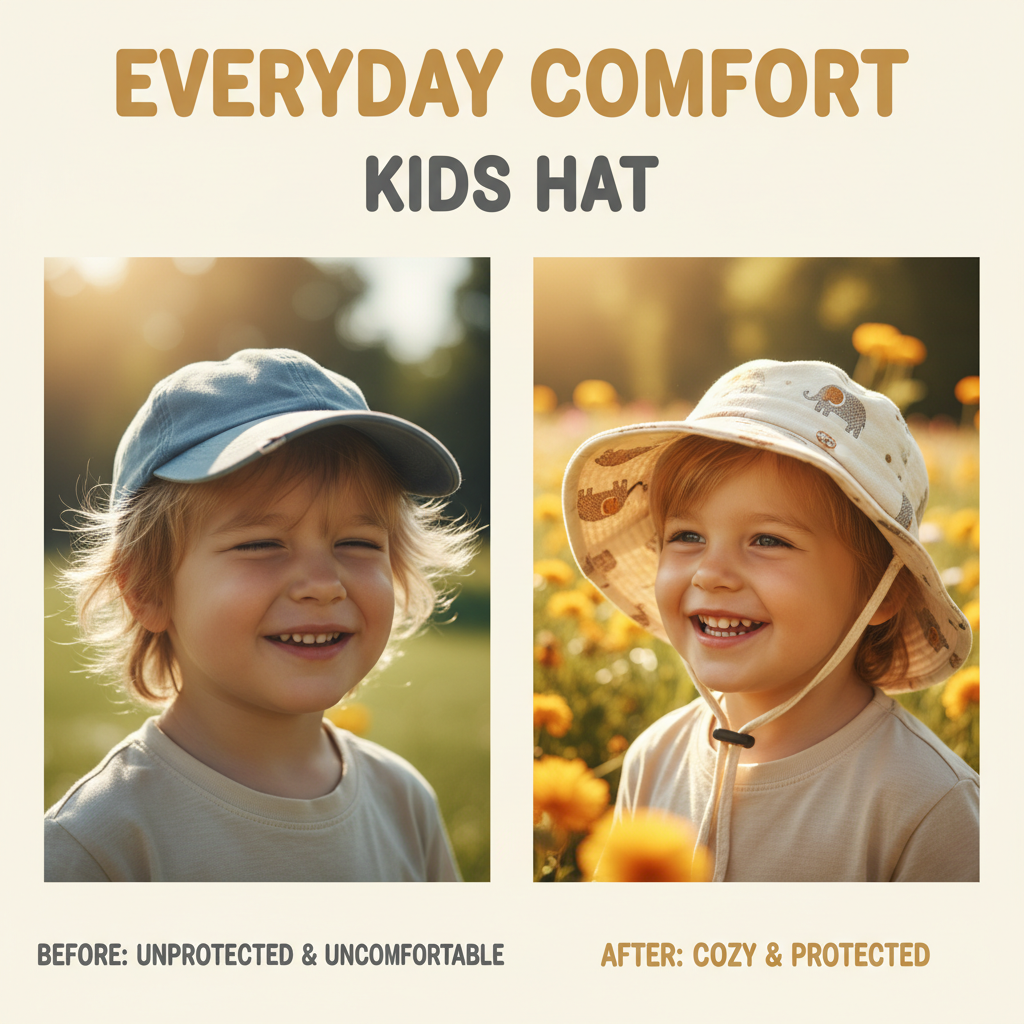
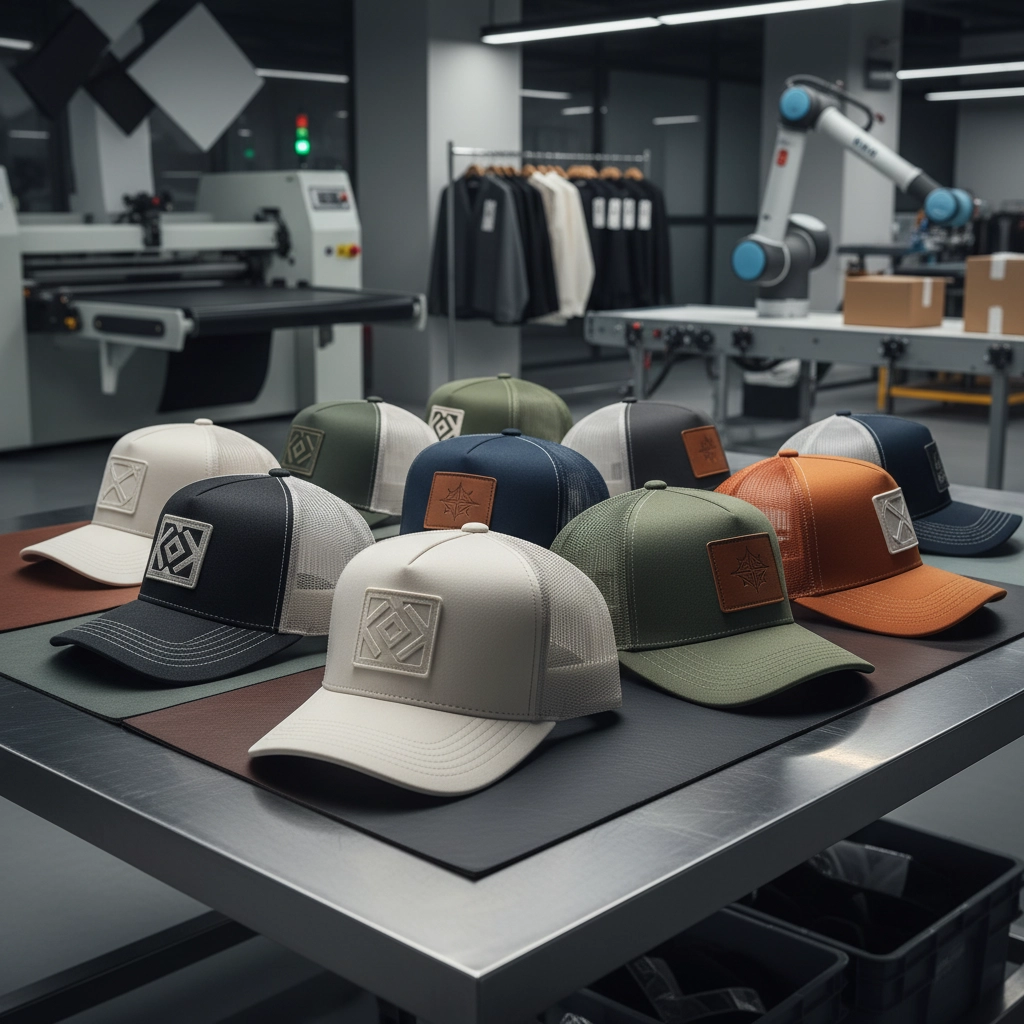
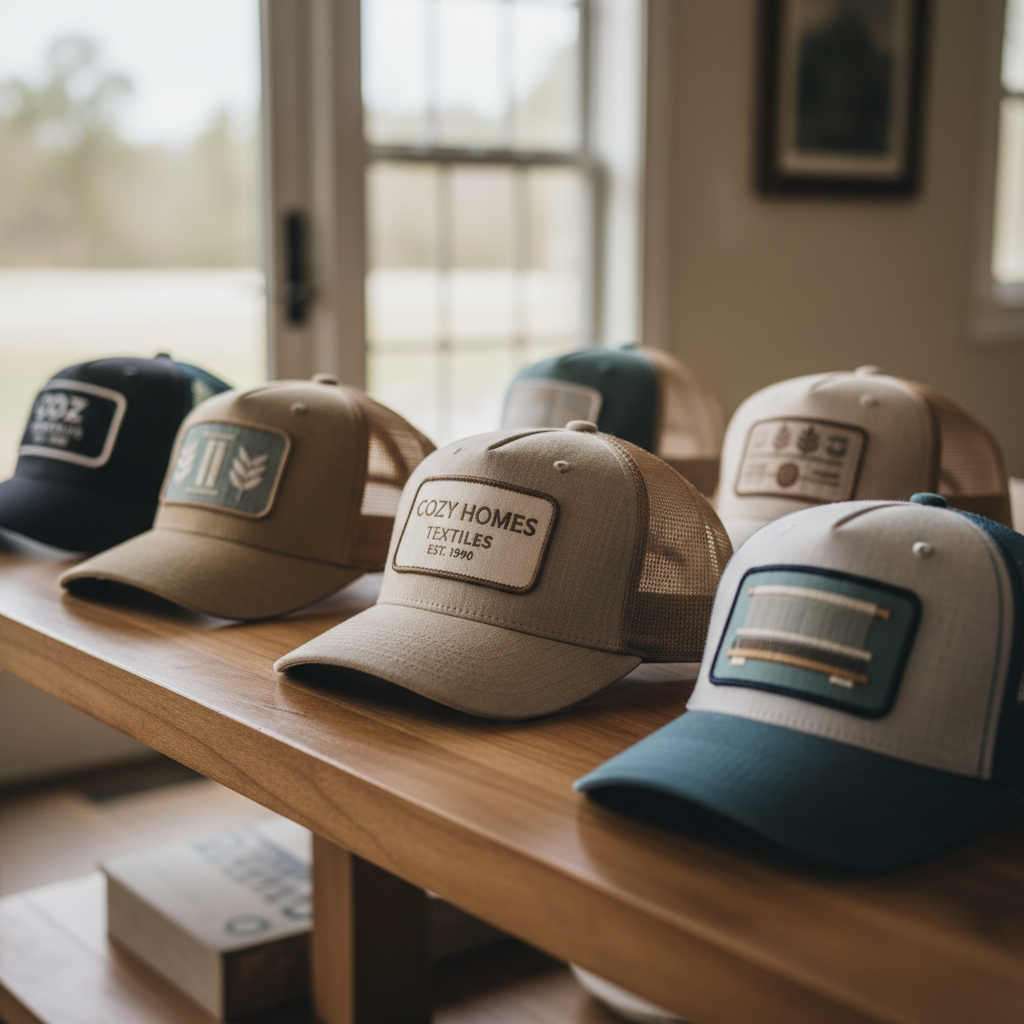
Selecting the perfect kids hat is more than just a fashion statement; it is a critical decision for protecting a child's sensitive skin from harmful UV rays and environmental elements. From playful beach days to chilly winter walks, the right headwear ensures comfort and health, allowing children to explore the world safely while maintaining a stylish appearance.
In the global apparel market, the demand for high-quality children's headwear has surged as parents become more conscious of textile safety and dermatological health. The industry has shifted from generic sizing to ergonomic designs that cater to the specific physiological needs of growing children, integrating breathable fabrics and non-toxic dyes to prevent irritation.
Understanding the nuances of materials, fit, and functionality is essential for brands and consumers alike. Whether it is a structured baseball cap for sports or a wide-brimmed bucket hat for sun protection, the evolution of the kids hat reflects a broader commitment to combining pediatric safety with modern commercial aesthetics.
Global Market Relevance of Kids Hat
The global market for a kids hat has expanded significantly, driven by increasing awareness of pediatric health and the rise of "mini-me" fashion trends. Data from textile trade organizations indicate that the children's accessory segment is growing at a steady CAGR, as parents prioritize protective gear that meets international safety standards such as ISO and OEKO-TEX.
Despite this growth, the industry faces a persistent challenge: balancing rigorous safety requirements with the high-energy wear-and-tear associated with childhood. Many conventional hats fail to provide adequate ventilation or secure fit, leading to discomfort or the risk of the hat being lost during outdoor activities, which necessitates a more engineered approach to design.
Core Components of High-Quality Headwear
Durability is the cornerstone of any successful kids hat. Children are naturally active, meaning headwear must withstand frequent washing, rough handling, and constant exposure to the elements. Utilizing reinforced stitching and high-denier fabrics ensures that the product maintains its shape and structural integrity over months of continuous use.
Scalability and fit are equally critical. Because children grow rapidly, the integration of adjustable straps, hook-and-loop closures, or elasticized bands allows a single hat to fit a child for a longer period. This not only provides a better user experience but also appeals to the cost-conscious consumer looking for longevity in their purchases.
Lastly, breathability cannot be overlooked. Incorporating mesh panels in trucker styles or using lightweight cotton blends in bucket hats prevents overheating. Proper thermal regulation is essential to keep children comfortable and prevent heat-related stress during intense summer activities or sports.
Material Science and Child Safety
The selection of textiles for a kids hat must prioritize hypoallergenic properties. Since children's skin is thinner and more permeable than adults', the use of organic cotton or bamboo fibers reduces the risk of contact dermatitis and allergic reactions.
Modern UV-protection technology is now embedded directly into the fibers of the kids hat. By applying UPF (Ultraviolet Protection Factor) ratings, manufacturers can guarantee that a significant percentage of harmful UVA and UVB rays are blocked, providing a critical layer of defense against sun damage.
Furthermore, the absence of harmful chemicals like formaldehyde and lead in the dyeing process is non-negotiable. Adhering to strict global compliance standards ensures that every kids hat is safe for toddlers who may frequently touch their hats and then put their hands in their mouths.
Practical Application and Performance Metrics
In real-world scenarios, the application of a kids hat varies by activity. For example, in educational outdoor excursions, wide-brimmed sun visors are preferred for maximum coverage. In contrast, sports events demand a snug-fitting baseball cap that stays secure during rapid movement.
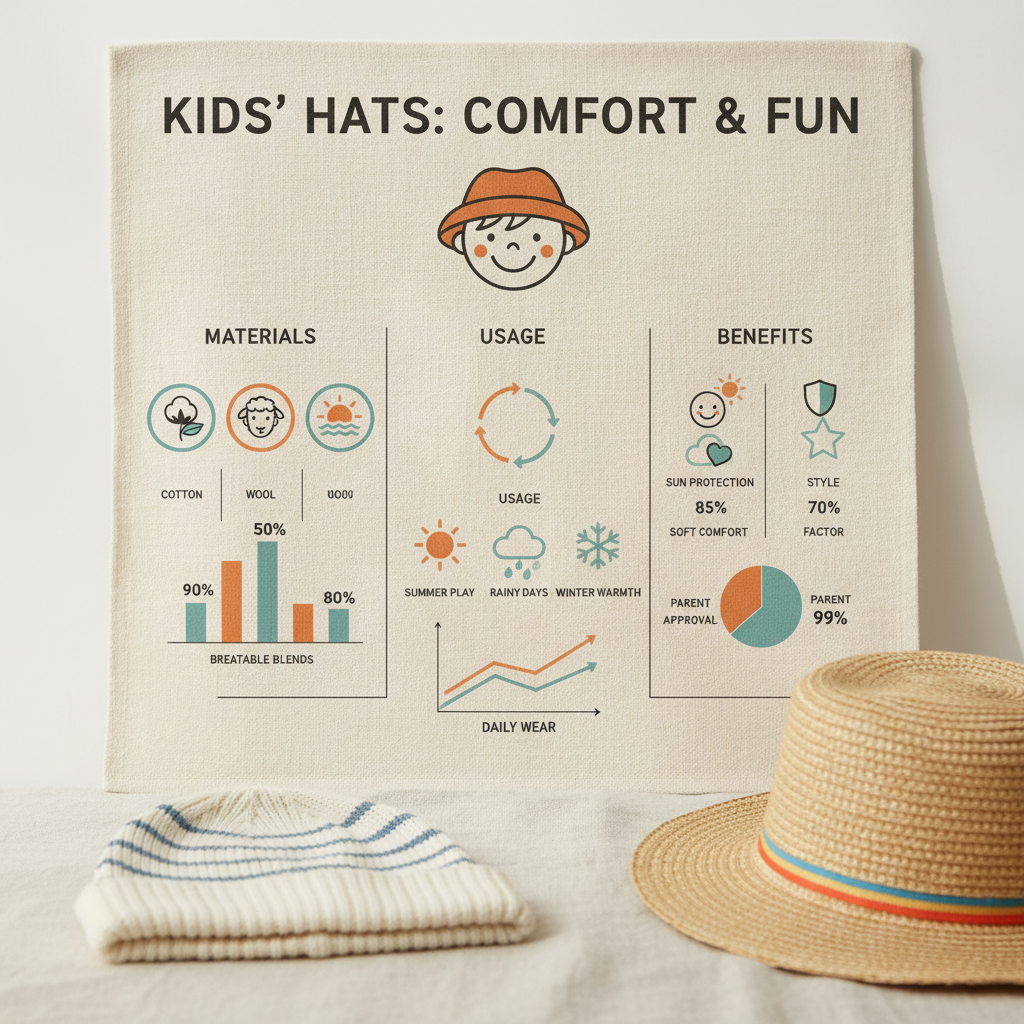
Performance is measured by a combination of comfort, protection, and retention. The following data illustrates how different styles of children's headwear perform across key utility metrics, helping parents and wholesalers make informed choices based on specific needs.
Performance Analysis of Kids Hat Styles
Regional Usage and Global Trends
The usage patterns of a kids hat differ significantly by geography. In high-UV regions like Australia and the Southwestern United States, there is a heavy emphasis on wide-brimmed bucket hats and sun visors, often mandated by school policies to protect children during outdoor play.
Conversely, in Northern European and North American markets, the focus shifts toward winterized headwear and lightweight snapbacks for the autumn season. This regional divergence drives manufacturers to create versatile, multi-seasonal product lines that can be adapted to various climates while maintaining a consistent brand identity.
Long-Term Value and Emotional Connection
Beyond the physical utility, a kids hat often carries emotional value. For many children, a favorite hat becomes a "security object" that provides comfort in unfamiliar environments. By creating designs that are visually appealing and tactilely pleasing, brands can build a deep sense of trust and loyalty with both the child and the parent.
From a logical perspective, investing in a high-quality hat reduces the frequency of replacement, offering better long-term value. A durable, well-made hat can be passed down to younger siblings, promoting a cycle of sustainability and reducing the environmental footprint associated with "fast fashion" for children.
Ultimately, the value lies in the peace of mind provided to parents. Knowing that their child is protected from the sun and cold, and is wearing a product that is safe and non-toxic, creates a positive brand association that extends far beyond a single purchase.
Future Innovations in Children's Headwear
The future of the kids hat lies in the intersection of smart technology and sustainable materials. We are seeing the emergence of "smart fabrics" that can change color when UV levels become dangerous, alerting parents that it is time to seek shade or reapply sunscreen.
Sustainability is also driving a shift toward circular economy models. The use of recycled ocean plastics and biodegradable corn-based fibers is becoming more common, ensuring that the products children wear today do not harm the planet they will inherit tomorrow.
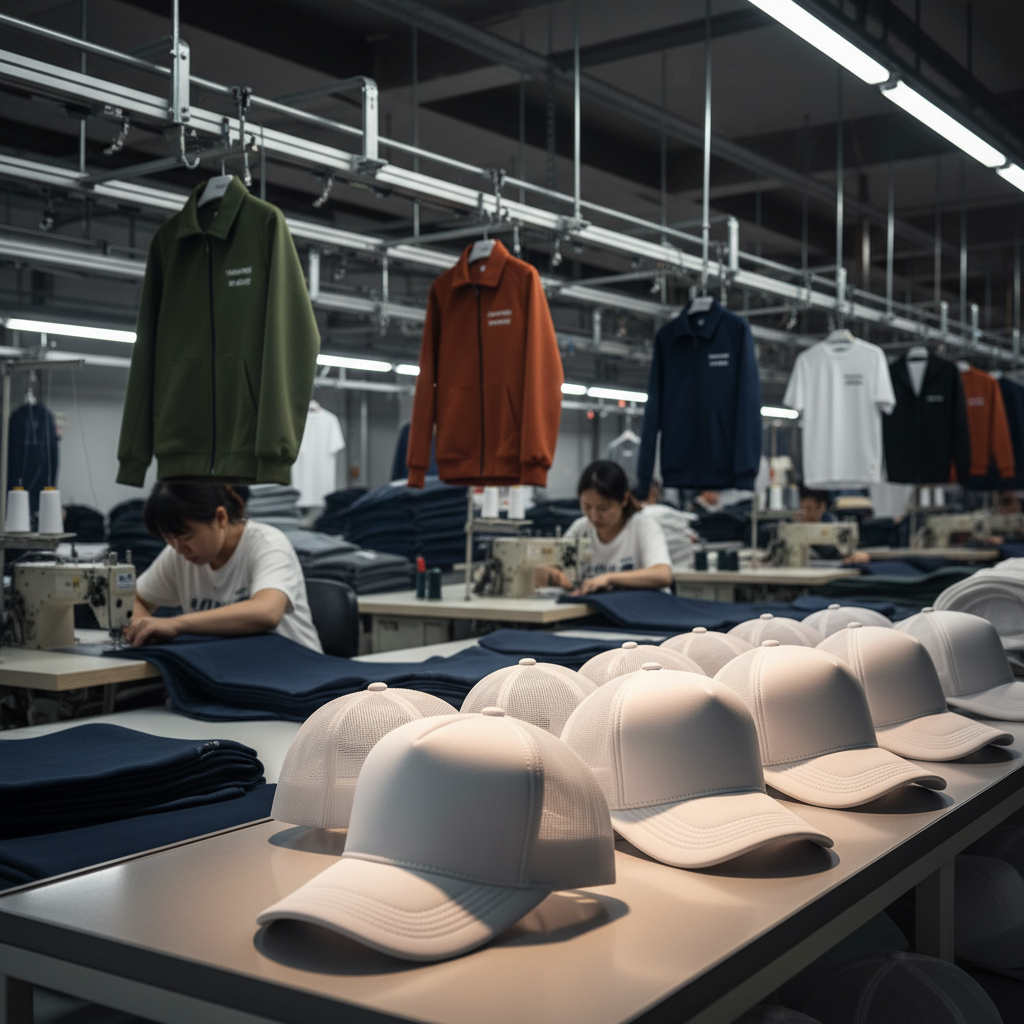
Automation in manufacturing is further allowing for hyper-personalized fits. 3D scanning technology can now be used to create a kids hat tailored exactly to a child's head shape, eliminating the "one size fits most" frustration and enhancing overall comfort.
Comparison of Innovative Material Trends in Kids Hat Manufacturing
| Material Type |
Eco-Impact |
Durability Score |
Primary Benefit |
| Organic Cotton |
Low |
7/10 |
Hypoallergenic |
| Recycled Polyester |
Very Low |
9/10 |
Water Resistance |
| Bamboo Fiber |
Low |
6/10 |
Natural Cooling |
| UPF Treated Nylon |
Medium |
10/10 |
Maximum UV Shield |
| Corn-based PLA |
Very Low |
5/10 |
Biodegradable |
| Hemp Blends |
Low |
8/10 |
Antibacterial |
FAQS
For summer, the best materials are lightweight, breathable, and moisture-wicking. Organic cotton and bamboo are excellent for comfort, but for maximum sun protection, look for synthetic blends with a certified UPF 50+ rating. These materials block the majority of harmful UV rays while allowing air to circulate, keeping the child's head cool and protected.
The most accurate way is to measure the circumference of your child's head just above the eyebrows and ears using a flexible measuring tape. For a kids hat, it is often better to choose a style with an adjustable strap or elastic band. This allows the hat to grow with the child and ensures a secure fit that won't blow away in the wind.
Not all hats are created equal. Some low-cost options use harsh chemical dyes or synthetic materials that can cause itching or rashes. To ensure safety, look for certifications like OEKO-TEX Standard 100 or GOTS (Global Organic Textile Standard). These guarantee that the kids hat is free from harmful substances and safe for pediatric use.
Depending on the material, hand washing with a mild detergent is usually best. For structured baseball caps, avoid the washing machine as it can warp the brim. Instead, spot clean with a damp cloth and soft brush. For bucket hats, a gentle machine cycle in a laundry bag is typically safe. Always air dry away from direct sunlight to prevent color fading.
A sun visor provides an open top for maximum ventilation, making it ideal for extremely hot days, though it offers no protection for the crown of the head. A bucket hat provides 360-degree coverage, including the top and back of the neck, making it superior for prolonged sun exposure. Both are essential tools in a child's summer wardrobe depending on the environment.
Yes, most professional manufacturers offer customization options including embroidery, screen printing, and custom sizing. When ordering for schools or events, it is important to specify the safety requirements and the age group to ensure the design is age-appropriate and comfortable. Customizing a kids hat is a great way to build community identity and ensure student safety.
Conclusion
In summary, the selection of a kids hat is a multifaceted process that involves balancing material safety, ergonomic design, and functional protection. From the integration of UPF-rated fabrics to the implementation of sustainable manufacturing practices, the industry is moving toward a future where children's headwear is not just a fashion accessory, but a vital component of pediatric health and wellness.
As we look ahead, the integration of smart textiles and personalized manufacturing will further enhance the value provided to families. For parents and procurement managers, the key is to prioritize certified non-toxic materials and durable constructions. For more professional headwear solutions, we invite you to explore our extensive range of high-quality products. Visit our website: www.sjzrongdongcap.com