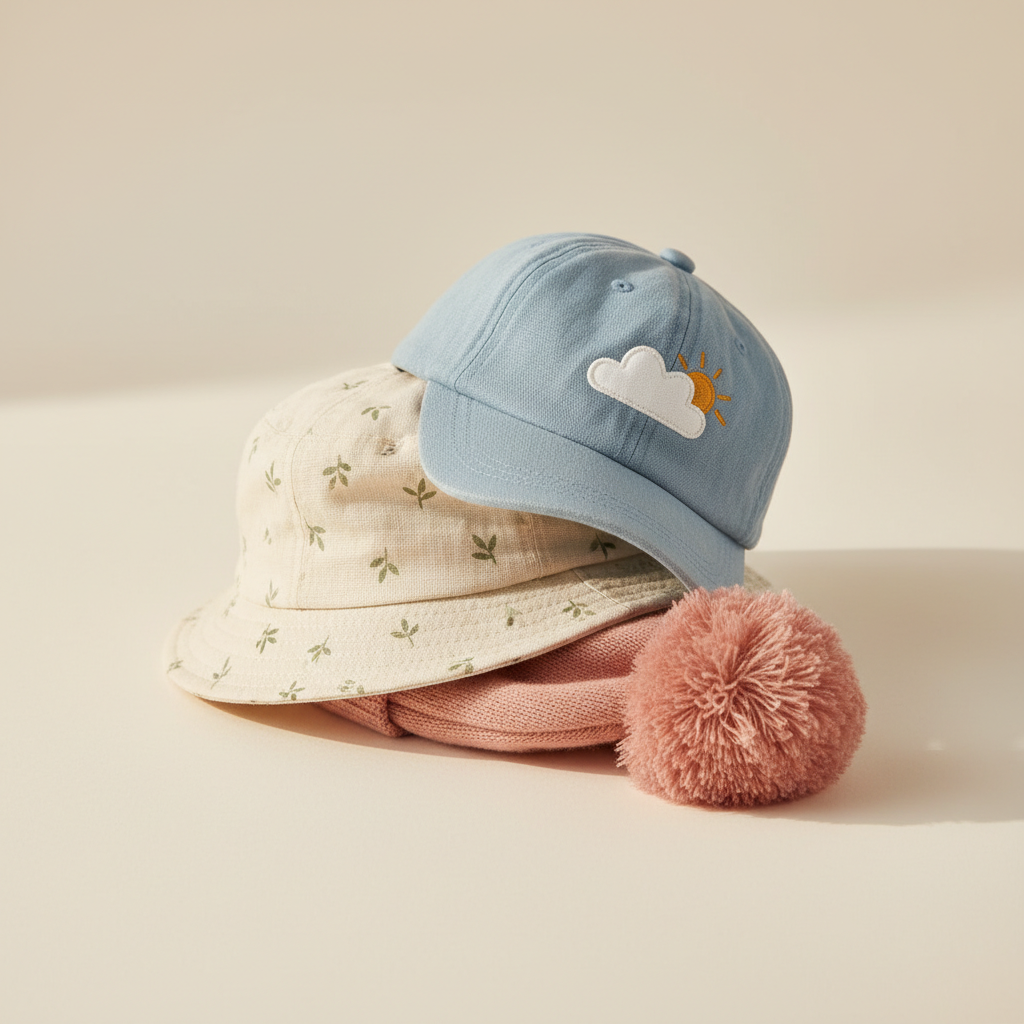
When it comes to protecting the youngest members of our families from the elements, the choice of a high-quality children cap is far more than a fashion statement. In the modern textile industry, designing headwear for kids requires a delicate balance between rigorous safety standards, ergonomic fit, and durable materials that can withstand the chaotic energy of childhood play.
Globally, the demand for specialized children's headwear has surged as parents become more aware of UV radiation and the importance of thermoregulation. From the scorching sun of tropical regions to the crisp winds of temperate climates, a well-engineered cap serves as a primary barrier, ensuring that children remain comfortable and healthy during outdoor activities.
Understanding the nuances of fabric selection, such as breathability and hypoallergenic properties, is essential for manufacturers and consumers alike. By focusing on the intersection of comfort and protection, the production of a professional-grade children cap contributes significantly to pediatric wellness and outdoor safety.
Material Safety and Hypoallergenic Fabrics
The foundation of any premium children cap lies in the selection of textiles that are gentle on sensitive skin. In the woven garment industry, this means prioritizing organic cottons and specialized blends that avoid harsh chemical dyes and formaldehyde, which can trigger allergic reactions in toddlers and young children.
Beyond simple softness, the material must possess high moisture-wicking capabilities. By utilizing advanced weaving techniques, manufacturers can create a fabric structure that allows heat to escape while preventing external pollutants from entering, ensuring the scalp remains dry and irritation-free during intense physical activity.
Ergonomic Design for Growing Heads
Designing a children cap requires a deep understanding of pediatric anthropometry. Unlike adult headwear, children's head sizes vary drastically over short periods, making adjustable closure systems—such as Velcro straps, elastic bands, or snapbacks—absolutely critical for a secure yet comfortable fit that doesn't restrict blood flow.
The weight distribution of the cap is another pivotal factor. A heavy cap can cause neck strain or be easily knocked off during play, which is why lightweight structural supports and breathable linings are implemented. This ensures the cap stays in place without feeling cumbersome to the wearer.
Furthermore, the brim geometry is carefully calculated to provide maximum shade for the eyes and cheeks without obstructing the child's field of vision. This balance of functionality and safety is what separates a generic accessory from a professional industrial product.
UV Protection and Sun Safety Standards
Sun exposure in early childhood can have long-term effects on skin health, making the integration of UPF (Ultraviolet Protection Factor) ratings into every children cap a non-negotiable requirement for modern manufacturers.
High-performance fabrics are often treated with zinc oxide or woven with high-density yarns to block UVA and UVB rays. When a children cap achieves a UPF 50+ rating, it means only 1/50th of the sun's UV radiation reaches the skin, providing essential protection during school trips and beach outings.
Industry leaders are now moving toward "permanent" UV protection, where the shielding properties are embedded into the fiber itself rather than applied as a surface coating, ensuring that the protective quality of the cap does not diminish after multiple washes.
Durability and Wear-Resistance Analysis
Children are notoriously hard on their clothing, and a children cap must be engineered to survive abrasions, frequent washing, and constant handling. This involves utilizing reinforced stitching at high-stress points and choosing fabrics with high tensile strength to prevent tearing.
From a technical perspective, the choice between twill, canvas, or synthetic blends determines the longevity of the product. A high-density twill weave offers a superior balance of softness and durability, ensuring the cap retains its shape even after months of rigorous use.
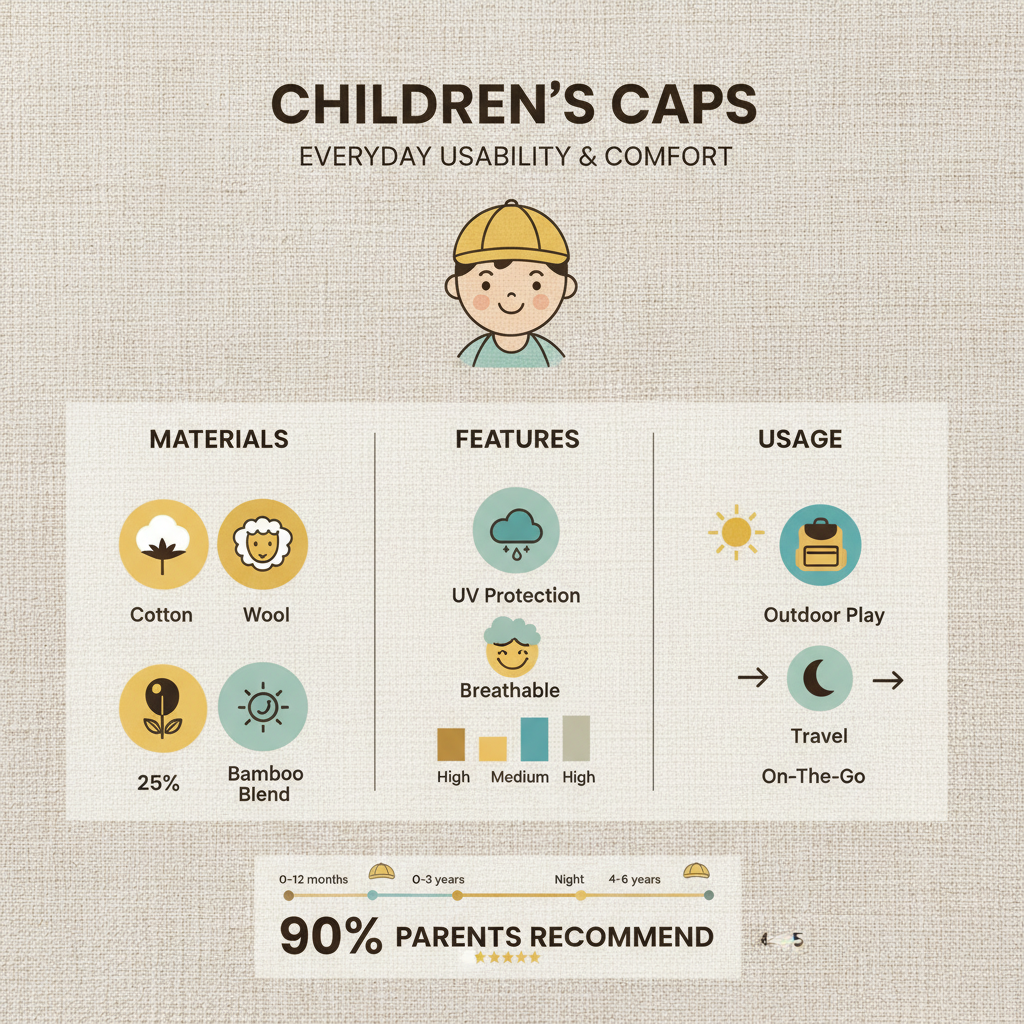
Children Cap Material Performance Comparison
Global Market Applications and Trends
The application of the children cap extends far beyond casual wear. In educational settings, matching caps are often used for field trips to ensure students are easily identifiable by teachers, blending safety with logistical efficiency. In sports academies, specialized moisture-wicking caps help young athletes maintain focus by keeping sweat out of their eyes.
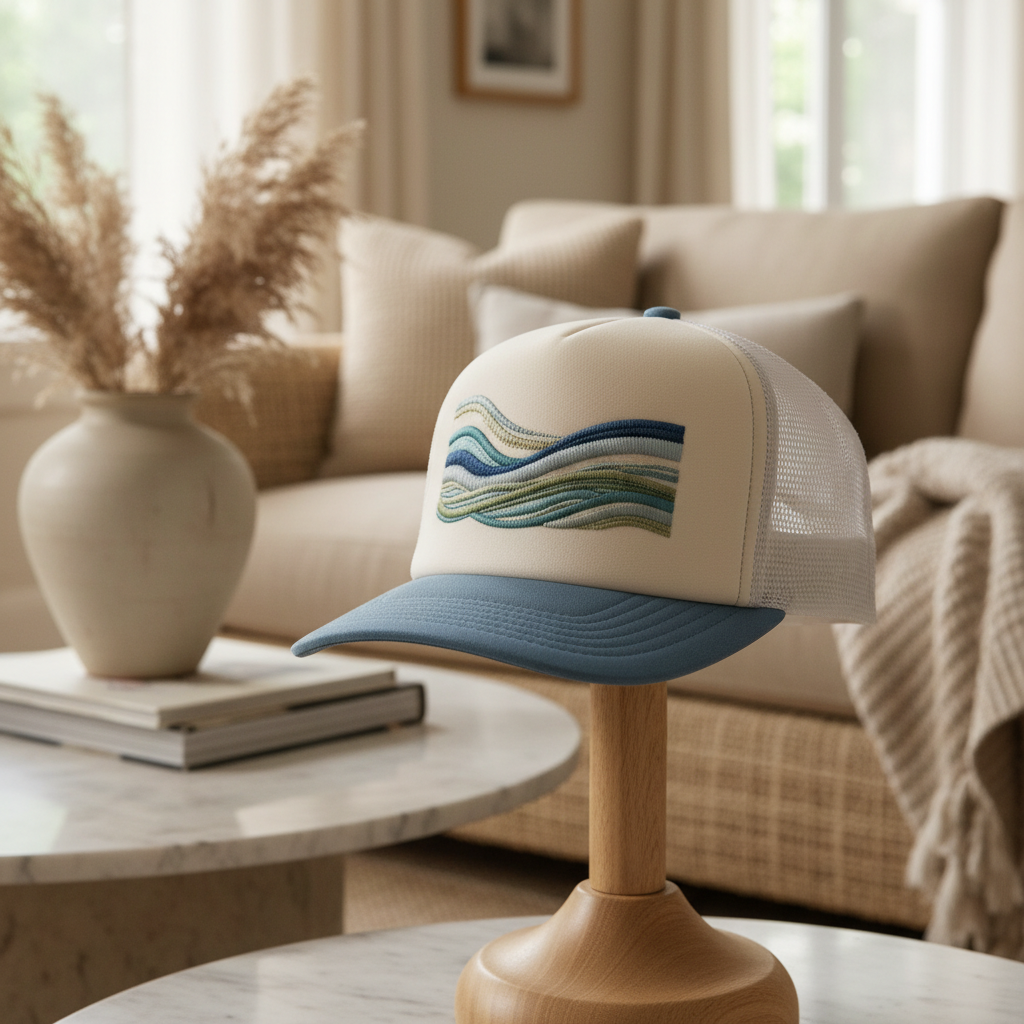
Regionally, we see different trends: North American markets lean toward structured snapbacks and trucker styles for children, while European and Asian markets often prioritize lightweight, foldable bucket hats and sun visors that can be easily stored in backpacks.
Sustainable Manufacturing in Kids' Headwear
Sustainability is no longer an option but a necessity in the textile industry. The production of a children cap is now incorporating recycled polyester (rPET) and GOTS-certified organic cotton to reduce the environmental footprint. This shift addresses the growing concern of "fast fashion" and its impact on the planet children will inherit.
Water-less dyeing technologies are also being implemented to eliminate toxic runoff, ensuring that the vibrant colors children love are produced without polluting local waterways. This holistic approach to manufacturing ensures that the product is safe for both the wearer and the environment.
Furthermore, the adoption of circular economy principles—where caps can be returned for recycling at the end of their life cycle—is beginning to take root among premium children's apparel brands.
Quality Control and Certification Benchmarks
To ensure a children cap meets international safety standards, rigorous quality control (QC) protocols are essential. This includes "pull tests" on any decorative buttons or sequins to prevent choking hazards and chemical audits to ensure compliance with REACH and OEKO-TEX Standard 100.
Manufacturing plants must implement multi-stage inspection processes, from the raw yarn stage to the final packaging. This guarantees that every stitch is secure and every adjustment strap functions flawlessly, reducing the risk of product recalls and ensuring consumer trust.
The integration of digital tracking and QR codes on labels allows parents to verify the origin of the materials and the certifications of the factory, providing a transparent supply chain that emphasizes accountability and quality.
Analysis of Quality Benchmarks for Children's Headwear
|
Testing Dimension
|
Safety Standard
|
Critical Metric
|
Acceptance Level
|
| Chemical Safety |
OEKO-TEX Std 100 |
Formaldehyde Level |
Non-detectable |
| UV Protection |
ASTM D6603 |
UPF Rating |
50+ |
| Mechanical Safety |
ISO 8124 |
Small Parts Pull Test |
> 90 Newtons |
| Color Fastness |
ISO 105-C06 |
Wash Resistance |
Grade 4-5 |
| Breathability |
ASTM E96 |
Air Permeability |
High Flow |
| Fit Accuracy |
Internal Brand Spec |
Circumference Variance |
< ± 0.5cm |
FAQS
The safest materials are GOTS-certified organic cotton and hypoallergenic blends. These fabrics are processed without toxic pesticides or heavy-metal dyes, significantly reducing the risk of skin irritation. For active children, moisture-wicking polyester blends that are OEKO-TEX certified are also highly recommended for their breathability and safety.
Measure the child's head circumference approximately 1cm above the eyebrows and ears using a soft measuring tape. Since children grow rapidly, we recommend choosing caps with adjustable closures like Velcro or elasticated back-straps, which allow the cap to grow with the child, providing a longer usable lifespan.
Yes, it is crucial. Children's skin is thinner and more susceptible to UV damage than adult skin. A cap with a UPF 50+ rating acts as a physical shield, blocking over 98% of harmful UV rays. This reduces the reliance on chemical sunscreens, which can sometimes cause irritation on sensitive skin.
For structured caps, hand washing with mild detergent is preferred. Use a soft brush to spot-clean stains and air dry the cap on a head-shaped form or a stuffed towel to maintain the crown's structure. Avoid tumble drying, as high heat can shrink the fabric and warp the brim.
Modern performance synthetics are specifically engineered for breathability. By using "micro-mesh" weaves or moisture-management yarns, these fabrics can actually outperform cotton in hot weather by pulling sweat away from the scalp and allowing it to evaporate quickly, keeping the child cool.
Look for suppliers who provide clear certifications (like ISO, OEKO-TEX, or BSCI). A professional manufacturer should offer sample prototyping to test the fit and material quality. Transparency regarding their supply chain and a commitment to non-toxic dyes are the most important indicators of a reliable partner.
Conclusion
In summary, the production and selection of a children cap is a complex intersection of textile science, pediatric safety, and ergonomic design. By prioritizing hypoallergenic materials, ensuring high UPF ratings, and adhering to strict international quality benchmarks, manufacturers can provide headwear that truly protects and supports a child's development and well-being.
As the industry moves toward a more sustainable and transparent future, the focus will likely shift further toward biodegradable materials and smart textiles. Investing in high-quality, ethically produced headwear is not just a commercial decision but a commitment to the health and safety of the next generation. For premium manufacturing solutions, visit our website: www.sjzrongdongcap.com